In Traditional Chinese Medicine (TCM), healthy hair is a reflection of the body’s internal balance and vitality. In Chinese medicine, vibrant hair depends on the health of the Blood, Qi, and Essence (Jing). When these vital substances are sufficient, the scalp receives the circulation and nutrients needed to support healthy hair growth. When they become depleted or imbalanced, hair may become dry, brittle, thin excessively, or shed prematurely.
Diet has been a cornerstone of Traditional Chinese Medicine for thousands of years. Food is viewed as medicine and many everyday foods are also used for their therapeutic properties. For patients experiencing hair thinning or hair loss, dietary therapy is often recommended alongside acupuncture and Chinese herbal medicine to address the underlying pattern contributing to the problem rather than simply treating the symptom.
This blog covers some of the fundamental dietary principles used in Traditional Chinese Medicine to support healthy hair growth and scalp health.
Table of Contents
Why Diet Matters for Hair Growth
Modern research has shown that diet plays an important role in hair health. Adequate protein, iron, zinc, vitamin D, biotin, omega-3 fatty acids, and other nutrients help support normal hair growth and nutritional deficiencies can contribute to certain types of hair loss.
Traditional Chinese Medicine complements this perspective, explaining healthy hair through the nourishment of Qi, Blood, and Essence (Jing).
Blood- nourishes the scalp and hair follicles.
Qi provides the energy needed for growth and repair.
Essence (Jing) governs growth, development, aging, and hair quality throughout life.
When these systems become depleted or imbalanced, hair may become thinner, drier, more brittle, or begin shedding excessively.
Personalizing Your Diet for Hair Health
One of the unique aspects of Traditional Chinese Medicine is that there is no single diet that is right for everyone. Rather than recommending the same foods for every person with hair loss, dietary recommendations are individualized based on each person’s underlying pattern of imbalance.
For example, someone with Blood deficiency may benefit from foods that nourish Blood, while a person with Damp Heat affecting the scalp may be encouraged to reduce greasy foods and increase cooling vegetables. Another patient with weak digestion may benefit from warm, cooked foods that strengthen the Spleen and improve nutrient absorption.
Using Food Energetics to Support Hair Health
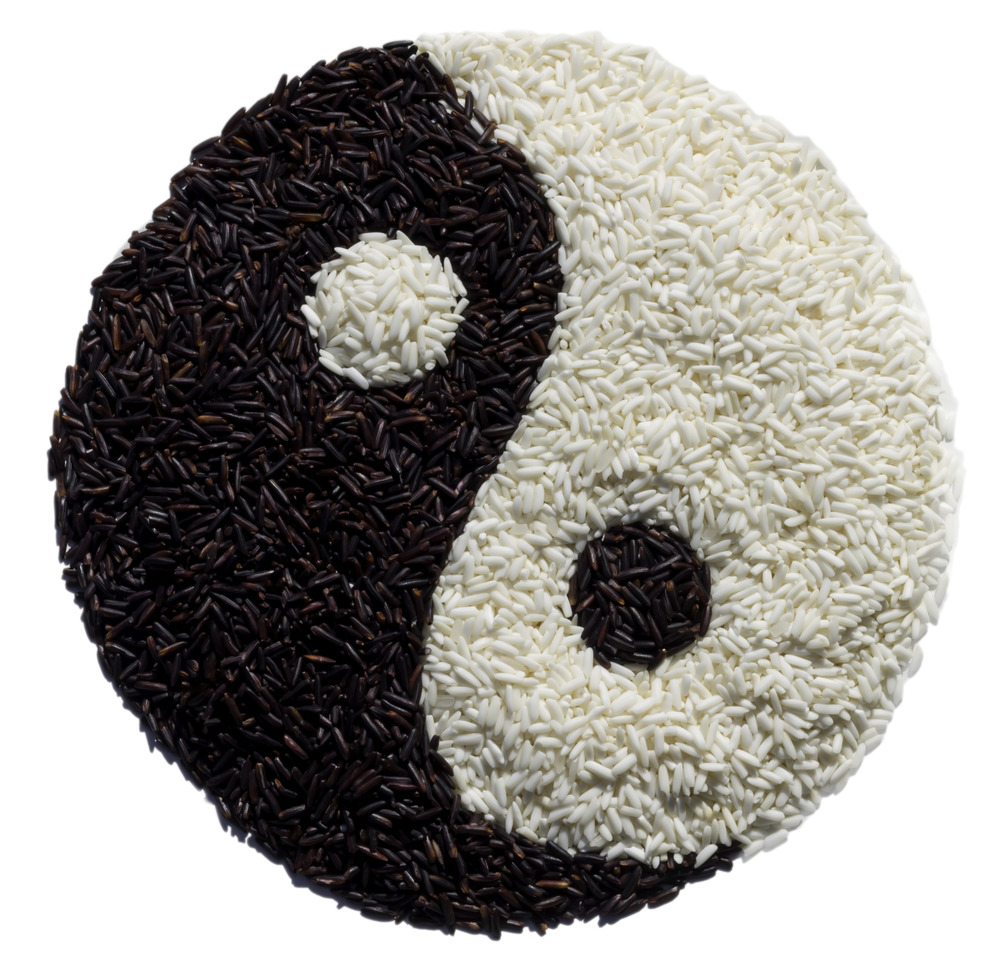
In Traditional Chinese Medicine, foods are valued not only for their vitamins and nutrients but also for their energetic properties. Every food has an inherent temperature (warming, cooling, or neutral) and flavor (sweet, sour, bitter, pungent, or salty), each influencing the body in different ways.
Choosing foods that match your constitution and current pattern of imbalance helps create the internal environment needed for healthy hair growth. To learn more about how food energetics, seasonal eating, and the Yin and Yang nature of foods influence health, read our guide to Eating with Yin and Yang.
Basic Chinese Medicine Dietary Guidelines
Chinese medicine generally recommends emphasizing cooked, seasonal foods over excessive amounts of raw or cold foods. Warm, cooked meals are thought to support the digestive system (Spleen Qi), allowing the body to more efficiently transform food into Qi and Blood—the substances that ultimately nourish the hair follicles. Excessive raw salads, smoothies, and iced drinks may weaken digestion in some individuals, particularly those with fatigue, bloating, or loose stools.
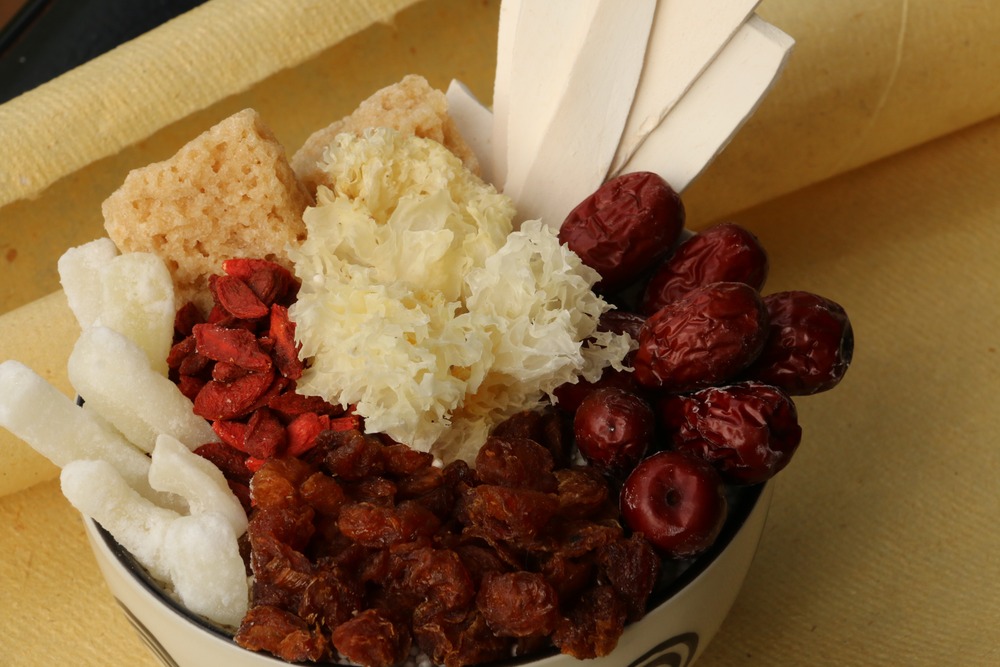
Foods That Nourish Blood
In Traditional Chinese Medicine, “Blood” represents far more than the blood measured on a laboratory test. Blood is the nourishing substance that moistens the skin, strengthens the nails, supports the eyes, and nourishes the scalp and hair.
The classical saying, “The hair is the surplus of Blood,” reflects the close relationship between healthy Blood and healthy hair. When Blood becomes deficient, the hair may lose its shine, become dry and brittle, shed excessively, or regrow more slowly. Nourishing Blood helps provide the scalp with the nutrients needed to support healthy follicles.
Many foods traditionally recommended include:
- Dark leafy greens such as spinach, kale, and Swiss chard
- Black sesame seeds
- Goji berries
- Beets
- Red dates (jujube)
- Lentils and other legumes
- Lean red meat in moderation
- Bone broth
- Eggs
Black sesame seeds have been valued in Chinese medicine for centuries to nourish both Blood and Kidney Essence. Goji berries are also commonly used to support Liver Blood while providing antioxidants.
Aim to include a variety of colorful, nutrient-dense foods throughout the week.
Foods That Support Kidney and Liver Health
The Kidney system is considered the foundation of growth and aging in Chinese medicine. As Kidney Essence naturally declines with age, hair may gradually become thinner, drier, or turn gray. Supporting Kidney health is therefore an important part of many traditional hair restoration protocols.
Foods commonly recommended include:
- Black beans
- Walnuts
- Eggs
- Seaweed
- Bone broth
- Mushrooms
- Pumpkin seeds
- Sunflower seeds
The Liver is equally important because it stores Blood and helps ensure adequate nourishment reaches the scalp. Many of the Blood-nourishing foods listed above also help support healthy Liver function.
Foods That Promote Healthy Circulation
In Traditional Chinese Medicine, healthy hair depends on the smooth circulation of both Qi and Blood to the scalp. Hair follicles require a continuous supply of nourishment, and when circulation becomes sluggish due to Qi stagnation or Blood stasis, healthy hair growth may be impaired. Clinically, I often find that herbs that move Blood are among the most effective components of customized herbal formulas for promoting hair growth, making dietary strategies that support healthy circulation a valuable complement to treatment.
Aromatic foods are traditionally used to promote the movement of Qi, which in turn supports the circulation of Blood. Ginger, garlic, onions, scallions, chives, fresh herbs, and citrus peel are all examples of foods that help move stagnant Qi while also supporting healthy digestion.
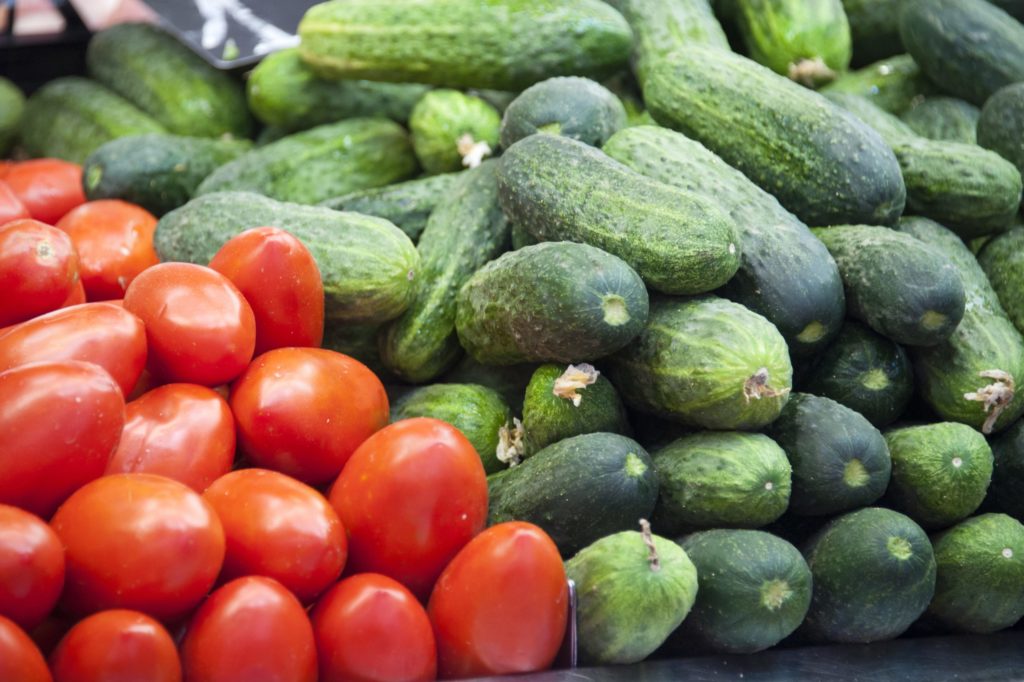
Long green vegetables, such as celery, asparagus, and green beans, are commonly recommended to promote the smooth flow of Liver Qi. Because the Liver stores Blood and regulates its circulation throughout the body, supporting healthy Liver Qi movement may help improve nourishment of the scalp and hair follicles.
Certain culinary spices, including turmeric, cinnamon, and small amounts of black pepper, have traditionally been used to promote circulation and warm the channels. However, because many of these foods are warming in nature, they are not appropriate for everyone. In Traditional Chinese Medicine, the best dietary recommendations are always based on an individual’s constitution and underlying pattern of imbalance.
Stress is one of the most common causes of Liver Qi stagnation in Traditional Chinese Medicine. Supporting the smooth movement of Liver Qi through acupuncture, herbal medicine, stress management, and appropriate dietary choices moves qi and blood which will create a healthier environment for hair growth.
Foods That Naturally Contain Biotin (Vitamin B7)
Biotin is a B-vitamin that supports hair, skin, and nail health and plays an important role in energy metabolism. Many people can get enough biotin through whole foods, especially when the diet is varied and nutrient-dense.
Animal-Based Sources
- Egg yolks (cooked)
- Liver and other organ meats
- Salmon
- Sardines
- Tuna
Tip: Raw egg whites can interfere with biotin absorption, so it’s best to consume eggs cooked
Plant-Based Sources
- Sunflower seeds
- Almonds
- Walnuts
- Peanuts
- Sweet potatoes
- Spinach
- Broccoli
- Mushrooms
From a Traditional Chinese Medicine perspective, many biotin-rich foods also help nourish Blood and support Liver and Kidney function.
Foods rich in Omega 3 fatty acids:
- Seafood and fish oils – salmon, tuna, mackerel, sardines, herring, cod liver oil, oysters, anchovies
- Nuts and seeds – flaxseed, chia seeds, walnuts
Foods That May Contribute to Hair Problems
In Traditional Chinese Medicine, certain dietary habits can contribute to the accumulation of Dampness and Heat within the body. When Damp Heat affects the scalp, it may contribute to excessive oil production, dandruff, itching, redness, inflammation, or certain inflammatory scalp disorders. Reducing these foods can help restore balance and create a healthier environment for the hair follicles.
Foods that are commonly limited include:
- Highly processed foods
- Refined sugars and sweets
- Fried and greasy foods
- Excess dairy products
- Alcohol
- Sugar-sweetened beverages
From a modern medical perspective, many of these same dietary patterns have been associated with increased inflammation throughout the body. Choosing an anti-inflammatory diet rich in vegetables, fruits, legumes, whole grains, healthy fats, herbs, and spices may help support overall health while creating a healthier environment for the scalp and hair follicles.
Hair Health for Vegetarians
One question I frequently hear is whether a vegetarian diet can provide everything needed for healthy hair. From a Traditional Chinese Medicine perspective, the answer is yes, but it requires thoughtful planning.
Classical Chinese medicine considers meat, particularly red meat, to be one of the strongest Blood-nourishing foods. Individuals following vegetarian or vegan diets should pay extra attention to incorporating foods that build both Qi and Blood. Legumes, lentils, dark leafy greens, black sesame seeds, walnuts, mushrooms, whole grains, and goji berries are all commonly recommended. Combining a wide variety of plant-based foods helps provide the nourishment needed to support healthy hair growth.
Some people with significant blood deficiency, chronic fatigue, anemia, or severe hair thinning may require individualized dietary recommendations or Chinese herbal medicine to adequately replenish Blood and support hair regrowth.
Diet Is Only One Piece of Hair Restoration
A healthy diet provides the foundation for healthy hair, but for many people, it is not enough on its own. Hair loss is often caused by a combination of factors—including hormonal changes, stress, genetics, inflammation, nutritional deficiencies, or underlying patterns of imbalance—that require a more comprehensive approach.
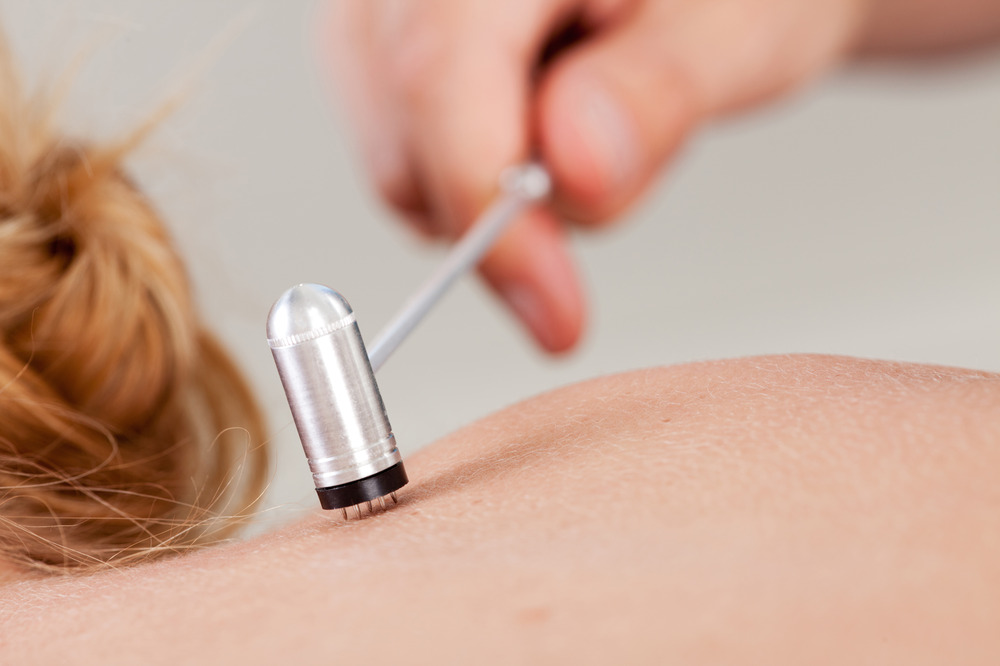
Traditional Chinese Medicine combines individualized dietary recommendations with acupuncture and Chinese herbal medicine to address the root cause of hair loss. Acupuncture helps improve circulation to the scalp, regulate the body’s stress response, and restore internal balance, while customized herbal formulas are designed to correct the specific pattern contributing to hair thinning. For a full look at how acupuncture, microneedling, herbal formulas, and scalp treatments work together to treat hair loss, see our guide on Acupuncture for Hair Loss.
Adequate sleep, stress management, regular exercise, and treating any underlying medical or hormonal conditions are also important components of a successful hair restoration plan. By addressing all of these factors together, patients often achieve better and more lasting results than with diet alone.

Final Thoughts
In Traditional Chinese Medicine, healthy hair begins with a healthy body. The foods you eat provide the raw materials needed to produce Qi, Blood, and Essence—the vital substances that nourish the scalp and support healthy hair growth. By choosing nutrient-dense foods, supporting healthy digestion, and eating according to your individual constitution, you can create an internal environment that promotes stronger, healthier hair.
While dietary changes can play an important role, they are often most effective when combined with acupuncture and individualized Chinese herbal medicine. Together, these therapies address the underlying patterns contributing to hair loss while supporting your body’s natural ability to restore healthy hair growth. If you are experiencing persistent hair thinning or hair loss, a comprehensive evaluation can help determine the most appropriate treatment plan for your specific needs.