

Cancer care presents challenges that affect the whole person. Acupuncture can help patients feel more balanced and resilient throughout treatment and recovery. Research has shown acupuncture may help support patients experiencing nausea, fatigue, neuropathy, hot flashes, dry mouth, emotional stress, and pain associated with cancer treatment.(1)
Dr. Alban has 20 years experience in acupuncture and Chinese medicine, and has completed Memorial Sloan Kettering IMPACT training course on acupuncture in cancer care. Our care is always individualized and designed to create a calm and restorative experience. Whether you are actively undergoing treatment, preparing for surgery, recovering after treatment, or focusing on long-term survivorship, acupuncture can serve as an important part of a comprehensive support plan.

Cancer Care and Cancer Survivorship Support
Acupuncture can be used alongside chemotherapy, radiation, surgery, hormone therapy, immunotherapy, and other conventional cancer treatments as part of an integrative approach to care. Treatments are tailored to the individual and designed to address the unique challenges that can arise throughout treatment and recovery.
Many patients seek acupuncture to help maintain their quality of life during cancer treatment. Common goals include improving energy, promoting restorative sleep, easing physical discomfort, supporting digestion, reducing stress, and helping the body recover from the cumulative effects of treatment. Research has shown acupuncture may benefit several treatment-related concerns, including cancer-related pain, chemotherapy-induced peripheral neuropathy, hot flashes, xerostomia, and fatigue (1).
For men recovering from prostate cancer treatment specifically, urinary symptoms like nocturia are especially common — learn about acupuncture for post-prostate-cancer recovery and recent nocturia research in prostate cancer survivors.
Cancer survivorship support focuses on helping patients rebuild and restore after treatment while supporting both physical and emotional wellbeing. Because every patient’s experience is different, treatments are individualized based on current symptoms, treatment history, constitution, and overall health goals. Care is designed to evolve with the patient’s needs throughout both active treatment and long-term recovery.
Common Symptoms Acupuncture Can Support
Acupuncture can play an important role in cancer care support by helping patients manage symptoms associated with both cancer and its treatment. Research on acupuncture for cancer care has grown substantially over the past two decades, and guidelines from the Society for Integrative Oncology (SIO) and the American Society of Clinical Oncology (ASCO) recognize acupuncture as a supportive therapy for select cancer-related symptoms and treatment side effects. Treatment plans are individualized based on each person’s symptoms which may include:
- Cancer-Related Fatigue
- Nausea and Digestive Symptoms
- Pain Management
- Hot flashes are especially common after hormone therapy for breast cancer — see our full breakdown of the research on acupuncture for hot flashes in breast cancer patients.
- Dry Mouth (Xerostomia)
- Anxiety, Stress, and Insomnia
Acupuncture for Cancer Pain
Pain is one of the most common reasons people seek acupuncture during cancer treatment and recovery.
Pain may arise from the cancer itself or from treatments such as surgery, chemotherapy, radiation therapy, or hormone therapy.
Depending on the individual, pain may be localized to a specific area or involve multiple regions of the body. Acupuncture reduces pain in many ways including promoting circulation, reducing muscle tension, modulating inflammation, and affecting the nervous system’s processing of pain signals.
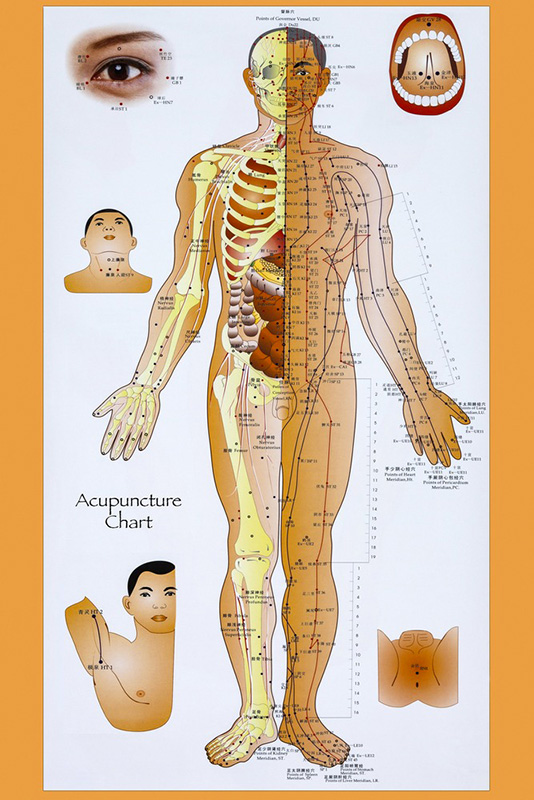
Cancer-Related Pain
Cancer-related pain can develop from tumors affecting surrounding tissues, inflammation, changes in posture or movement, or reduced activity levels during treatment. Acupuncture reduces discomfort, improves mobility, and supports overall quality of life as part of a comprehensive pain management plan. A recent MSKCC study also found electroacupuncture and auricular acupuncture both effective for cancer pain relief — read more about the research here.
Musculoskeletal Pain During Cancer Care
Musculoskeletal pain is common during and after cancer treatment. Symptoms can develop from prolonged inactivity, changes in posture, or the physical demands associated with cancer and its treatment. Acupuncture is frequently used to support patients experiencing musculoskeletal pain and may help by improving circulation, reducing muscle tension, modulating inflammatory processes, and influencing the nervous system’s perception of pain.
Joint Pain Associated with Cancer Treatment
Joint pain and stiffness are common side effects of certain cancer treatments, particularly aromatase inhibitors used in breast cancer care. Symptoms can affect mobility, exercise tolerance, and daily activities. Acupuncture has been studied extensively for aromatase inhibitor-associated joint pain (2).
Peripheral Neuropathy
Certain chemotherapy medications can affect the nerves, leading to numbness, tingling, burning sensations, pain, or altered sensation in the hands and feet. Acupuncture is increasingly used as a pain therapy for neuropathy.
Surgical Recovery Support
Recovery from cancer-related surgery often involves managing pain, restoring mobility, and rebuilding strength. Acupuncture can be incorporated into a comprehensive recovery plan to help support the healing process.

A Traditional Chinese Medicine Perspective
Traditional Chinese Medicine views health as a state of balance within the body and between the body and its environment. During periods of illness, medical treatment, physical stress, and emotional strain, that balance can become disrupted.
Cancer treatment places significant demands on the body’s qi (energy). Acupuncture aims to support development and the smooth flow of qi by calming the nervous system and helping the body maintain balance throughout treatment and recovery. This holistic approach seeks to support the whole person rather than addressing symptoms in isolation.
Every treatment is individualized and adjusted as your needs evolve. The goal is to help create the conditions for healing, improve resilience, and support physical and emotional wellbeing throughout the cancer journey and beyond.
How Acupuncture Works to Relieve Pain
Pain is one of the most common reasons people seek acupuncture. In Traditional Chinese Medicine, pain is described as a disruption in the smooth flow of qi and blood. An ancient principle of Chinese medicine states, “Where there is free flow, there is no pain; where there is pain, there is blockage.” Injury, illness, surgery, or stress can contribute to the stagnation of qi and blood which then leads to pain and discomfort. By restoring the smooth movement, acupuncture helps to reduce pain and support the body’s natural healing processes.
From a modern scientific perspective, acupuncture works locally, where the needles are placed, as well as throughout the whole body. At the local level, the acupuncture treatment stimulates the connective tissue fibers to wrap themselves around the needle which is called the “needle grasp”(3).
Researchers believe this mechanical stimulation may trigger cellular signaling within the connective tissue matrix, influencing circulation, tissue repair, reducing inflammation, and communication between cells(4).
Acupuncture also produces effects throughout the nervous system (5). Research suggests that acupuncture influences pain-processing pathways in the spinal cord and brain while stimulating the release of natural pain-relieving substances such as endorphins, enkephalins, serotonin, and endocannabinoids (6). The release of these neurochemicals is another mechanism that acupuncture reduces pain and promotes relaxation.

What to Expect During Treatment
Your first visit begins with a comprehensive consultation. We will discuss your cancer diagnosis, current or past treatments, medications, symptoms, health history, and goals for care. This information helps guide a treatment plan tailored to your specific needs and stage of recovery.
Acupuncture treatments are gentle and designed to support your overall wellbeing. Very thin, sterile needles are placed at carefully selected acupuncture points and typically remain in place for 20–30 minutes while you rest comfortably. Many patients describe the experience as deeply relaxing and often leave feeling calmer and more centered.
Treatment plans vary depending on your symptoms, treatment schedule, and overall health. The goal of treatment is not only to address specific symptoms but also to support the body’s ability to recover, adapt, and maintain balance throughout the cancer journey. Many patients report improvements in relaxation, sleep, stress levels, pain, energy, and overall quality of life over the course of treatment.
Acupuncture is used as a complement to your medical care. Treatments can be coordinated in relation to your chemotherapy, radiation, surgery, or other aspects of your treatment plan.
Is Acupuncture Safe During Cancer Treatment?
Yes. Acupuncture can be safely incorporated into many cancer treatment plans.
Treatment plans are adjusted based on your symptoms, blood counts, and overall health. Acupuncture treatments can be modified throughout your treatment journey to provide supportive care that is both gentle and appropriate for your current condition.
Our goal is to work alongside your existing medical care by providing personalized support that helps improve comfort, quality of life, and overall wellbeing. Every treatment is designed with your safety, comfort, and individual health circumstances in mind.
If you have questions about whether acupuncture is appropriate for your specific situation, we are happy to discuss your treatment history and help determine whether acupuncture may be a beneficial addition to your care plan.
Acupuncture for Cancer Survivors
Completing cancer treatment is an important milestone, yet many survivors continue to experience symptoms that affect quality of life long after treatment ends. Fatigue, sleep disturbances, joint pain, neuropathy, digestive changes, hot flashes, anxiety, stress, and concerns about recurrence can persist for months or even years following treatment. Acupuncture offers a holistic approach to survivorship care by supporting both physical and emotional wellbeing during recovery.
Research on Acupuncture and Cancer Support
Acupuncture has been studied as a supportive therapy for cancer-related pain, chemotherapy-induced nausea and vomiting, fatigue, neuropathy, hot flashes, dry mouth, anxiety, sleep problems, and treatment-related joint pain.
The Society for Integrative Oncology (SIO) and the American Society of Clinical Oncology (ASCO) have published guidelines supporting the use of selected integrative therapies alongside conventional cancer care. Their guideline on cancer pain states that acupuncture may be recommended for aromatase inhibitor-related joint pain, general cancer pain, musculoskeletal pain, and chemotherapy-induced peripheral neuropathy when used as part of a comprehensive pain management plan.
ASCO has also endorsed SIO guidelines on integrative therapies during and after breast cancer treatment. These guidelines recognize acupuncture and other evidence-informed therapies as supportive options for managing treatment-related symptoms and improving quality of life.
The research does not suggest that acupuncture treats cancer itself. Instead, the evidence supports acupuncture as a complementary therapy that may help patients feel more comfortable, manage side effects, and maintain better wellbeing during treatment and survivorship.
Feel Better, Get Acupuncture
Cancer treatment and recovery can bring a wide range of physical and emotional challenges. Acupuncture offers a gentle, holistic approach that can bring about greater comfort, resilience, and improved quality of life throughout every stage of care. Whether you are navigating active treatment, recovering from surgery, managing treatment-related side effects, or focusing on long-term survivorship, acupuncture can serve as a valuable complement to your medical care.
At our practice, we provide individualized treatments tailored to your unique needs, symptoms, and goals. Dr. Joseph Alban brings more than 20 years of clinical experience and has completed advanced training through Memorial Sloan Kettering Cancer Center in acupuncture for cancer care. Our goal is to provide thoughtful, compassionate support that helps you feel heard, cared for, and empowered throughout your healing journey.
If you are interested in learning whether acupuncture may be right for you, we welcome the opportunity to discuss your situation and develop a personalized treatment plan designed to support your health and wellbeing.
References:
- Mao JJ, Ismaila N, Bao T, et al. Integrative Medicine for Pain Management in Oncology: Society for Integrative Oncology–ASCO Guideline. J Clin Oncol. 2022;40(34):3998-4024. doi:10.1200/JCO.22.01357.
- Lyman GH, Greenlee H, Bohlke K, et al. Integrative Therapies During and After Breast Cancer Treatment: ASCO Endorsement of the SIO Clinical Practice Guideline. J Clin Oncol. 2018;36(25):2647-2655. doi:10.1200/JCO.2018.79.2721.
- Langevin HM, Churchill DL, Fox JR, Badger GJ, Garra BS, Krag MH. Biomechanical response to acupuncture needling in humans. J Appl Physiol (1985). 2001;91(6):2471-2478. doi:10.1152/jappl.2001.91.6.2471.
- Langevin HM, Bouffard NA, Badger GJ, et al. Dynamic fibroblast cytoskeletal response to subcutaneous tissue stretch ex vivo and in vivo. Am J Physiol Cell Physiol. 2005;288(3):C747-C756. doi:10.1152/ajpcell.00420.2004.
- Zhao ZQ. Neural mechanism underlying acupuncture analgesia. Prog Neurobiol. 2008;85(4):355-375. doi:10.1016/j.pneurobio.2008.05.004.
- Napadow V, Ahn A, Longhurst J, et al. The status and future of acupuncture mechanism research. J Altern Complement Med. 2008;14(7):861-869. doi:10.1089/acm.2008.0308.