The gut microbiome has become central to how we understand health, inflammation, and even skin conditions. In my acupuncture practice, I often see patients whose digestion, energy, and skin have been disrupted after a course of antibiotics. While antibiotics can be necessary, they don’t discriminate—they reduce both harmful and beneficial bacteria, leaving the gut in a depleted and vulnerable state.
This disruption affects more than just digestion. It impacts the body’s ability to regulate inflammation, absorb nutrients, and maintain balance. That’s why gut recovery after antibiotics is so important.
One of the most effective and often overlooked ways to rebuild the gut microbiome is through dietary fiber. Fiber acts as fuel for beneficial bacteria, helping them regrow and restore a healthy microbial environment. Emerging research continues to reinforce what we see clinically—fiber plays a critical role in reestablishing gut health after antibiotics and supporting long-term resilience.
In this article, I’ll break down how fiber supports gut microbiome recovery, how to approach it in a way that’s clinically effective, and how I integrate these principles into treatment plans for my patients.
Table of Contents
Key takeaways: diet vs. probiotics for recovery after antibiotics
- Diet plays a central role in microbiome recovery after antibiotics—more than probiotics or fecal transplants
- A high-fiber diet supports faster, more complete recovery of gut bacteria and their function
- Western diets (low fiber, high fat) lead to prolonged dysbiosis and reduced microbial diversity
- Fiber fuels beneficial bacteria and short-chain fatty acid production, which are critical for gut and immune health
- Without the right dietary environment, microbiome therapies like FMT have limited effectiveness
What is the microbiome and why is it important?
The microbiome is a community of microorganisms, including bacteria, fungi, viruses, and other microbes, that reside within and on our bodies. These microorganisms coexist with us, playing a important role in our overall health. The gut microbiome is one part of the greater whole that is located throughout the digestive tract, but mostly in the large intestine (colon). It is the most diverse and well-studied part of the microbiome.
The gut microbiome is involved in:
- Digestion and nutrient absorption: The gut microbiome helps to break down and metabolize food, synthesizing essential vitamins and minerals. They also digest dietary fiber, which our body cannot process but the microbiome uses as food.
In the process, they produce important compounds called short-chain fatty acids (SCFAs), such as butyrate, acetate, and propionate. These SCFAs are essential for colon health, help regulate metabolism, and serve as a primary energy source for cells lining the gut. They also play a key role in reducing inflammation and maintaining the integrity of the gut barrier.
- Immune system support: The gut microbiome plays a crucial role in the development and maintenance of our immune system. Gut cells communicate with immune cells and train them to recognize what is self and what is other. The microbiome also helps to protect us from harmful pathogens in a couple of ways. First, the gut barrier prevents pathogens from entering the bloodstream, forcing them to be screened by the outer layer of mucosal cells and then excreted. Second, the gut microbiome protects against pathogens and the overgrowth of bad bacteria by outcompeting them for resources and producing antimicrobial substances. A balanced microbiome also promotes immune tolerance, reducing the risk of autoimmune and inflammatory disorders.
- Mental health and brain function: The gut-brain axis is a complex communication network between the gut microbiome and the central nervous system. Gut bacteria can produce neurotransmitters and other signaling molecules that influence our mood, cognitive function, and overall mental health. Research has suggested that an imbalanced gut microbiome may contribute to various neurological and psychiatric disorders.
What is fiber and how does it interact with the microbiome?
Dietary fiber is a carbohydrate found in plants like whole grains, vegetables, fruits, and legumes, that cannot be digested in the upper gastrointestinal tract, so they are fermented by bacteria in the large intestine (colon). Some fibers are prebiotic, meaning they feed beneficial gut bacteria and help maintain the balance of the microbiome.
When fiber is fermented, it produces metabolites – bacteria that break down your food so you can absorb minerals and nutrients. One category of metabolites are called short-chain fatty acids (SCFAs). These help maintain the gut lining by providing energy to mucosal cells. They also support immunological, neurobiological, and skeletal functions, and suppress inflammation and the formation of cancer cells.
Fiber is essential to the health of the microbiome, and to our overall health. Eating a variety of fibers and a diverse diet in general contributes to a more diverse microbiome. A diverse microbiome is in turn better at dealing with environmental influences like pathogens and bad bacteria, and better at preventing and recovering from dysbiosis. In fact, high fiber diets have been used to improve metabolic health in individuals with diabetes, aiding in weight loss, and lowering A1c and LDL levels.
On the other hand, low-fiber diets have been linked to various health issues. The unhealthy Standard American Diet (or SAD), which favors refined grains, added sugars, and saturated fats, and it has caused an alarming increase in metabolic disorders.
Low-fiber diets negatively affect the diversity and health of the gut microbiome leading to a disruption of the gut lining. Lack of fiber is thought to contribute to obesity and type 2 diabetes as well as cancers and cardiovascular disease. It may also weaken the immune system and make the gut microbiome more susceptible to infections and overgrowth of bad bacteria.
What do antibiotics do to the gut?
Antibiotics are crucial for treating bacterial infections and saving lives, but they have a long-term detrimental impact on the gut microbiome. Especially broad spectrum antibiotics like doxycycline, ciprofloxacin, and amoxicillin kill bacteria indiscriminately, meaning they wipe out the good bacteria as well as the bad. This throws the gut into something called dysbiosis.
Dysbiosis is an imbalance of bacteria, which can mean there are too many bad bacteria, not enough good bacteria, or there is a lack of overall diversity of bacteria. Antibiotics cause the third kind of dysbiosis, killing many species of bacteria that are not their intended target. Following their use, it can take a long time for the diversity of the gut to be restored. Research has shown that healthy patients that take cefprozil, ciprofloxacin, and amoxicillin show altered microbial composition for up to 12 weeks after treatment. Other antibiotics, like clindamycin, disrupted the bacterial community for 2 years after their use.
When this balance is disrupted, the whole body feels it. You might have fatigue, digestive issues, increased susceptibility to infection, weight gain, etc. Chronic dysbiosis also damages the gut lining, causing inflammation and making it more permeable than it should be, which allows pathogens and harmful molecules into the bloodstream. This is known as leaky gut.
Dysbiosis and leaky gut are associated with various health issues, ranging from digestive disorders such as irritable bowel syndrome (IBS), inflammatory bowel disease (IBD), to metabolic conditions like obesity and type 2 diabetes, and even mental health disorders like depression and anxiety.
Finally, antibiotics and the microbial imbalance they cause create an environment where opportunistic pathogens can colonize and grow, lacking competition for resources because so many bacteria have been killed. Antibiotics also encourage the development of bacterial strains that are resistant to treatment. These factors make it much easier to get an infection and harder to fight it off both naturally and through medical intervention.
There are a few ways to counter the negative effects of antibiotics if you have to take them, like taking probiotics. You should also increase your dietary fiber intake, since prebiotic fibers feed beneficial bacteria and produce metabolites like SCFAs, which maintain the gut lining and reduce inflammation.
What this study shows about gut recovery
A recent mouse model study highlights the importance of dietary fiber in recovery after antibiotic-induced dysbiosis. In this study, one group of mice was fed a high-fat, low-fiber Western diet, while another group was fed a high-fiber diet. Both groups received antibiotics for 72 hours, and their microbiome recovery was tracked for up to 9 weeks. Researchers also used fecal microbiota transplant (FMT) in some of the Western diet mice to evaluate whether it could improve recovery.
The key findings were:
- Both groups experienced a sharp loss in microbiome diversity after antibiotics, but recovery differed significantly
- Mice on a high-fiber diet began recovering within 5 days and largely returned to baseline by 2 weeks, while Western diet mice remained significantly impaired even at 9 weeks
- Microbial function (not just diversity) recovered more completely in the high-fiber group
- Mice on a Western diet were more susceptible to infection after antibiotics and showed greater inflammation
- Complex carbohydrates (fiber) were essential for restoring microbiome diversity
- FMT had minimal impact on recovery in Western diet mice and did not restore diversity
These findings reinforce that fiber is a key driver of microbiome recovery. It supports the return of bacterial diversity, restores metabolic function, and helps protect against infection after antibiotics.
Importantly, introducing beneficial bacteria alone is not enough. Without the right dietary environment, those bacteria cannot establish or function properly. A low-fiber Western diet fails to provide the resources needed for the microbiome to rebuild.
Fiber-rich foods to support your microbiome
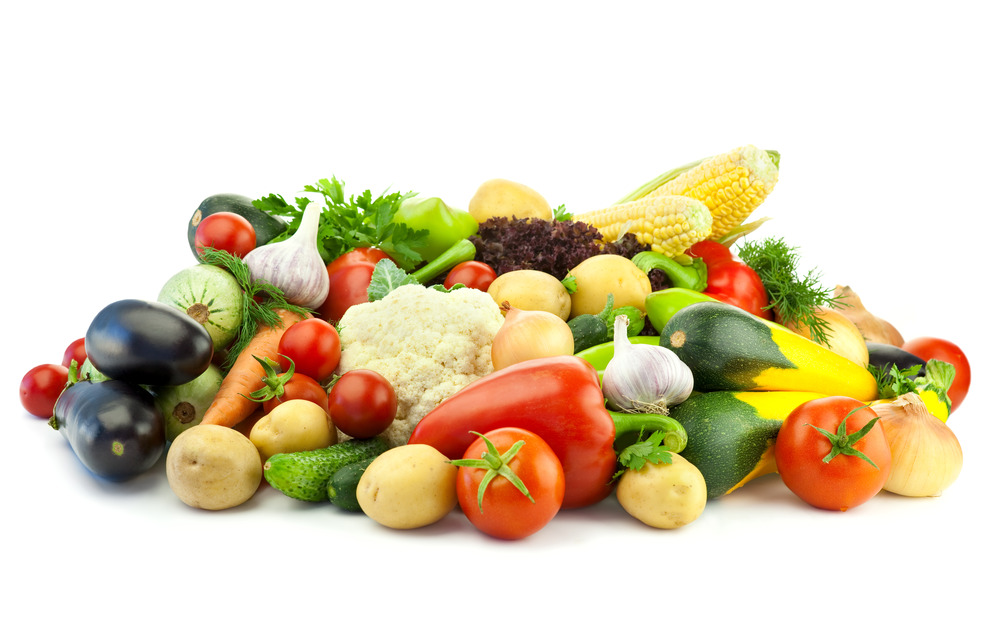
To support gut health and recovery after antibiotics, focus on incorporating a variety of fiber-rich foods into your diet:
- Fruits: Raspberries, pears, apples (with skin), bananas, oranges, strawberries
- Vegetables: Green peas, broccoli, Brussels sprouts, potatoes (with skin), cauliflower, carrots
- Whole grains: Oatmeal, oat bran, barley, quinoa, brown rice, whole wheat pasta, whole wheat and rye bread, bran flakes, popcorn
- Legumes, nuts, and seeds: Lentils, split peas, black beans, cannellini beans, navy beans, great northern beans, chia seeds, almonds, pistachios, sunflower seeds
A diverse intake of fiber helps feed beneficial gut bacteria, supports microbial diversity, and promotes the production of short-chain fatty acids, which are important for gut and immune health.
Eat fiber, feel better
Recovering from antibiotics is not just about replacing bacteria—it’s about rebuilding the environment they depend on. The research is becoming clear: diet, and specifically fiber, is one of the most important drivers of that recovery.
Fiber provides the fuel that beneficial bacteria need to regrow, restore balance, and produce the compounds that protect the gut lining and regulate inflammation. Without it, the microbiome struggles to recover, leaving the body more vulnerable to ongoing symptoms and infection.
In practice, this is something I see often. Patients come in after antibiotics with changes in digestion, energy, or skin, and the focus is often on adding probiotics. While those can be helpful, they are only part of the picture. Without the right dietary support, those bacteria don’t have the resources they need to take hold.
A consistent, fiber-rich diet creates the foundation for recovery. It supports the microbiome, strengthens the gut, and helps bring the body back into balance
References:
Kennedy MS, Freiburger A, Cooper M, et al. Diet outperforms microbial transplant to drive microbiome recovery in mice. Nature. 2025;642(8068):747-755. doi:10.1038/s41586-025-08937-9