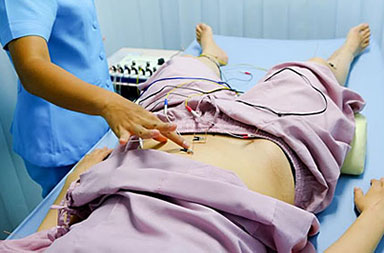
Chronic Pelvic Pain Syndrome (CPPS) is a complex condition that affects millions of individuals worldwide, manifesting in a variety of uncomfortable and often debilitating symptoms. I have helped many patients with Chronic Pelvic Pain Syndrome. Electro-acupuncture is an essential part of my treatment for CPPS.
This blog post explains how electroacupuncture works, what the therapy is like, and current clinical research into how it works for CPPS.
Table of Contents
Understanding Electroacupuncture
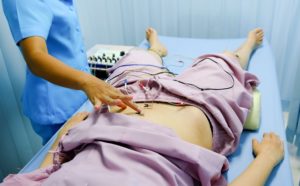
Electroacupuncture incorporates electrical stimulation to enhance the therapeutic effects of the treatment. Electroacupuncture applies a mild electric current through the needles, providing a stimulus to the muscles and nervous system which enhances the potential of acupuncture to reduce pain and inflammation in chronic pain syndromes like CPPS.
What Makes Electroacupuncture Different
Manual acupuncture relies on the needle itself, and how it’s manipulated by hand, to stimulate the nerve. Electroacupuncture adds a mild electric current passed between pairs of needles, which changes the stimulation in a few meaningful ways.
Instead of stimulation that depends on periodic manual technique, the current provides continuous, controlled stimulation for the full length of the session, at a frequency and intensity I can adjust to what a specific patient needs. That sustained, dial-in-able stimulus is what allows electroacupuncture to reliably drive the release of endorphins and other pain-modulating neurochemicals throughout treatment, rather than in the shorter bursts manual technique produces. It’s also why electroacupuncture’s effects on inflammation and circulation are more consistent and easier to study than manual acupuncture’s — the stimulus itself is standardized in a way manual needling isn’t, which is part of why it’s the form of acupuncture most frequently used in clinical trials for CPPS, including the study below.
Clinical Research on Electroacupuncture for CPPS
Clinical research has supported the efficacy of electroacupuncture in treating Chronic Pelvic Pain Syndrome (CPPS). (1) After three weeks the electroacupuncture group reported significantly greater pain relief compared to the placebo and relaxation technique groups. Impressively, by the six-week mark, participants undergoing electroacupuncture experienced a reduction in pain by nearly 50%. An intriguing aspect of the study was the observation of reduced levels of inflammatory markers in the electroacupuncture group. This reduction suggests a potential anti-inflammatory effect of electroacupuncture, providing a physiological explanation for the pain relief observed.
This research reinforces the idea that electroacupuncture’s potential as a powerful tool in the pain management arsenal. As we continue to unravel the complexities of CPPS and explore innovative treatments, studies like this pave the way for more personalized and effective approaches to care.
The treatment process
Before any electroacupuncture session, I’ll do the same consultation and evaluation covered in my full CPPS treatment approach — reviewing your history, checking for active trigger points, and building a personalized plan. Once we’ve decided electroacupuncture is a good fit, here’s what the session itself looks like:
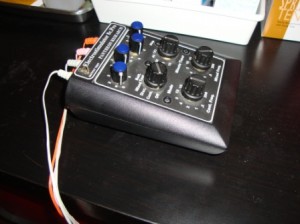
I’ll carefully insert thin, sterile needles into specific points on your lower back, sacrum, legs, and other targeted areas. Once the needles are in place, I attach small clips to connect them to an electro-acupuncture device, which generates gentle electric pulses passed between pairs of needles. The intensity and frequency of the current can be adjusted to ensure your comfort while maximizing the therapeutic effect.
Throughout the session, I’ll adjust the stimulation as needed — most often the sensation dies down over time, so I’ll recalibrate to keep it comfortable. Sessions typically run 15 to 20 minutes.
Get Acupuncture, Feel Better!
Electroacupuncture is an essential tool for treating CPPS. By understanding what to expect during the electroacupuncture process, you can feel more comfortable and open to experiencing the potential benefits of this unique treatment approach.
Please call us at 212-319-5757 to make an appointment. Or you can schedule your appointment online.
References
1. Lee SH, Lee BC.Electroacupuncture relieves pain in men with chronic prostatitis/chronic pelvic pain syndrome: three-arm randomized trial. Urology. 2009 May;73(5):1036-41.