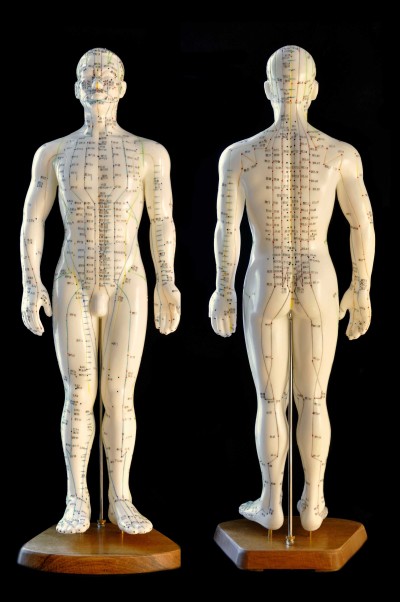
In Chinese Medicine, Yang Qi is the vital warmth and active energy that fuels your metabolism, immunity, and vitality. Modern science shows that this energy closely overlaps with mitochondrial function — our cellular engines. When Yang Qi declines, so does mitochondrial efficiency, and symptoms like fatigue, cold limbs, and slow recovery appear.
As an acupuncturist, I see firsthand how supporting both Yang Qi and mitochondrial health can transform energy, resilience, and overall wellness.
Let’s explore how these two concepts — one from Traditional Chinese Medicine (TCM), one from biology — describe the same vital force through different lenses.
Table of Contents
What Is Yang Qi?
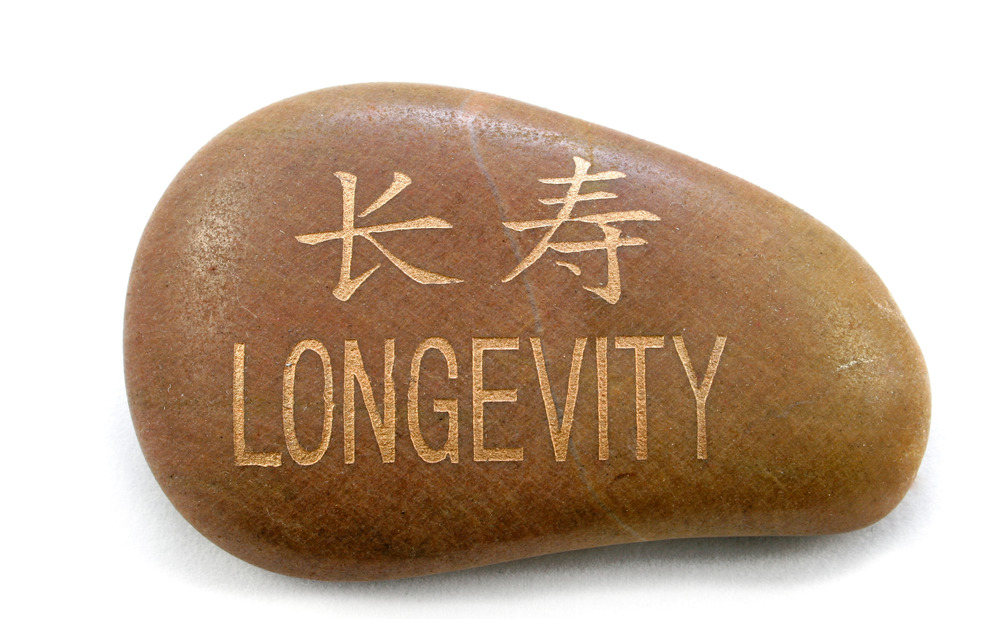
In TCM, Yang Qi represents your body’s active, warming, and energizing force. It is the spark that fuels every process, from digestion and circulation to immune defense and mental clarity.
When Yang Qi is abundant, you feel:
- Warm, alert, and energetic
- Resilient to stress and illness
- Balanced in your sleep, digestion, and mood
When Yang Qi is deficient, symptoms may appear such as:
- Chronic fatigue or low energy
- Feeling cold, sluggish, or “stuck”
- Sleep disturbances and mood changes
- Increased inflammation and slower recovery
Yang Qi is about more than feeling energized. It is about sustaining vitality, hormone balances, and growth and resilience across the whole body.
Mitochondria: Your Cellular Energy Factories
Inside every cell are tiny organelles called mitochondria. Their main job is to produce ATP — the molecule that fuels everything from breathing and digestion to collagen production and skin repair.
Mitochondria also regulate critical functions including:
- Thermogenesis – keeping you warm and maintaining metabolism
- Circadian rhythms– aligning your sleep-wake cycles with natural energy peaks
- Immunity – powering immune cells to fight infections and repair tissues
- Longevity – protecting cells from oxidative stress and slowing aging
When mitochondrial function declines — due to stress, aging, poor diet, or toxins — energy production falls, inflammation rises, and the body becomes more vulnerable to disease and premature aging.
Yang Qi and Mitochondria
Yang Qi and mitochondrial energy describe the same phenomenon: the body’s ability to generate and sustain life force. Here’s how they align:
| Aspect | Yang Qi (TCM) | Mitochondria (Biology) |
| Body Temperature | Warms and regulates thermogenesis; deficiency causes cold intolerance | Uncoupling proteins (UCP1) generate heat and adapt to cold exposure |
| Aging | Declines with age → frailty, slowed metabolism, disease | mtDNA mutations and reduced ATP drive aging and tissue degeneration |
| Circadian Rhythm | Rises by day, declines at night; imbalance affects sleep and energy | Mitochondrial respiration and ROS production follow circadian cycles |
| Immunity | Strengthens resistance to pathogens and illness | Mitochondria regulate immune signaling and energy supply for immune cells |
| Meridians | Flows through meridians, nourishing organs and tissues | Mitochondria shuttle between cells, supporting intercellular energy networks |
How Yang Qi Deficiency Mirrors Mitochondrial Dysfunction
Many conditions we see in clinic reflect both a decline in Yang Qi and mitochondrial imbalance:
- Chronic Fatigue & Low Energy→Reduced ATP production
- Poor Sleep & Insomnia →Disrupted circadian rhythms
- Brain Fog → Oxidative stress and mitochondrial damage
- Skin Aging → Less collagen production, slower repair, and reduced elasticity
Whether we describe it as Yang Qi deficiency or mitochondrial dysfunction, the root challenge is the same: the body cannot efficiently generate or regulate energy.
How to Support Yang Qi and Mitochondrial Health
The good news is that both TCM and modern research offer powerful ways to restore this vital force.
1. Acupuncture and Moxibustion
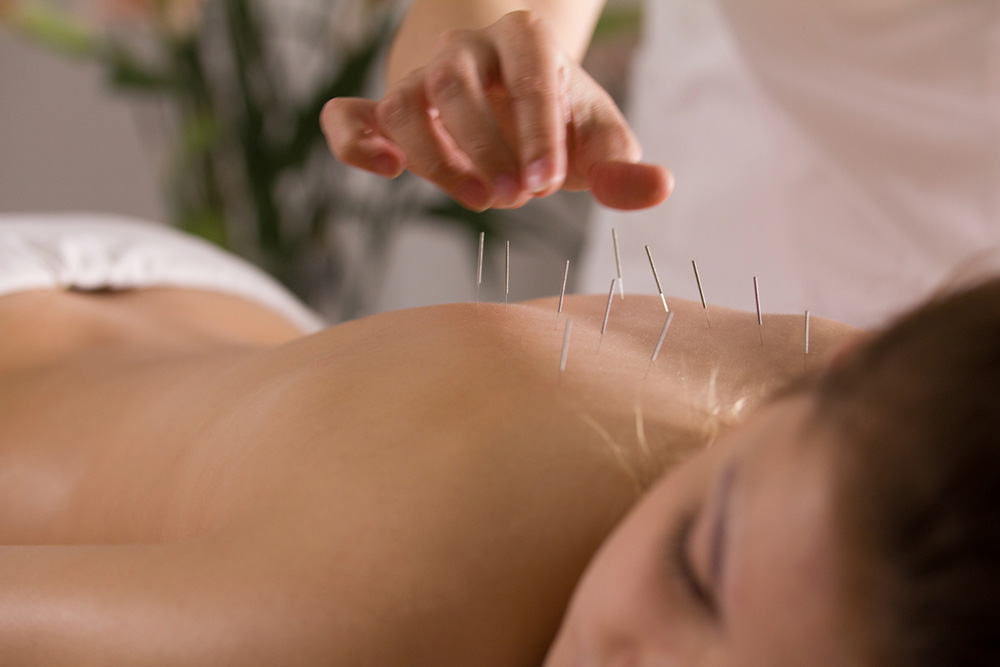
Acupuncture stimulates meridians, supporting Yang Qi flow and optimizing cellular energy. Studies show acupuncture influences mitochondrial activity, helping restore balance to energy production.
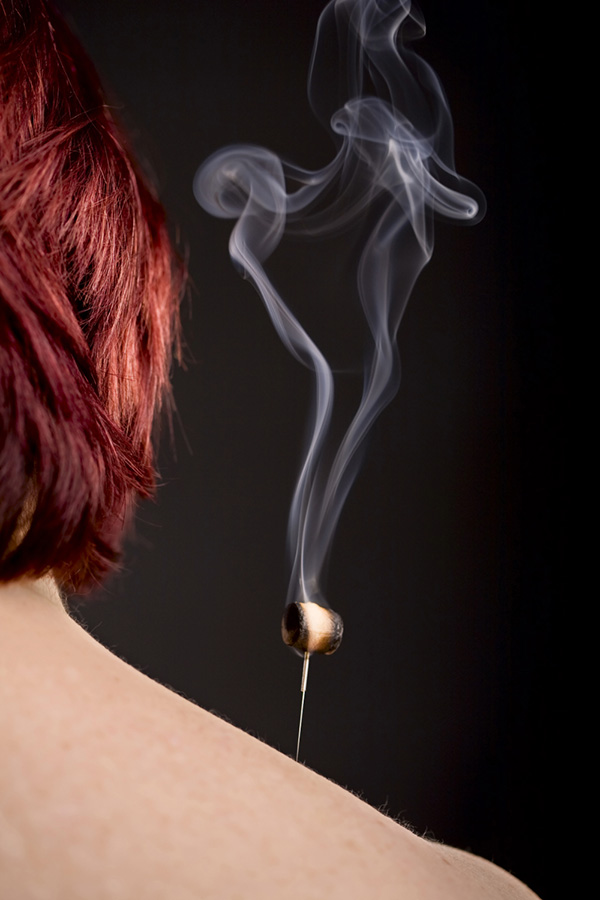
Moxibustion, a warming therapy using the herb mugwort over acupuncture points, has been shown to enhance mitochondrial thermogenesis and circulation — perfect for cold hands, low energy, or sluggish digestion.

2. Herbal Medicine for Qi and Energy
Chinese herbal medicine has long emphasized formulas to strengthen Qi and Yang. Today, research confirms that herbs such as:
- Astragalus (Huang Qi) – boosts ATP production and protects mitochondria from stress
- Ginseng (Ren Shen) – increases endurance, resilience, and mitochondrial efficiency
- Schisandra (Wu Wei Zi) – protects against oxidative stress and supports liver detoxification
It’s important to remember that in TCM, herbs are never “one-size-fits-all.” Each herb must be carefully chosen to match an individual’s unique constitution and imbalances. For example, Ginseng may be revitalizing for someone with profound Yang Qi deficiency but too stimulating for someone with excess Heat.
For this reason, herbs should always be taken under the guidance of a trained TCM herbalist, who can tailor formulas to your specific needs and ensure both safety and effectiveness.
3. Exercise: The Fast Track to Mitochondrial Renewal
Exercise is one of the most effective ways to strengthen both Yang Qi and mitochondria. Not all exercise affects mitochondria equally.
High-Intensity Interval Training (HIIT) — short bursts of intense activity followed by recovery — is the most powerful way to trigger mitochondrial biogenesis, the creation of new mitochondria. HIIT activates PGC-1α, the master regulator of mitochondrial growth and the myokine IL-15 more strongly than steady-state exercise.
The benefits include:
- Increased ATP production
- Faster muscle recovery
- Improved endurance and cardiovascular health
- More efficient energy use throughout the body
From a TCM perspective, HIIT provides a surge of Yang energy: vigorous bursts ignite circulation, mobilize Qi, and disperse stagnation, while the rest phases allow Yin to restore balance.
4. LED Light Therapy (Offered In-Office)
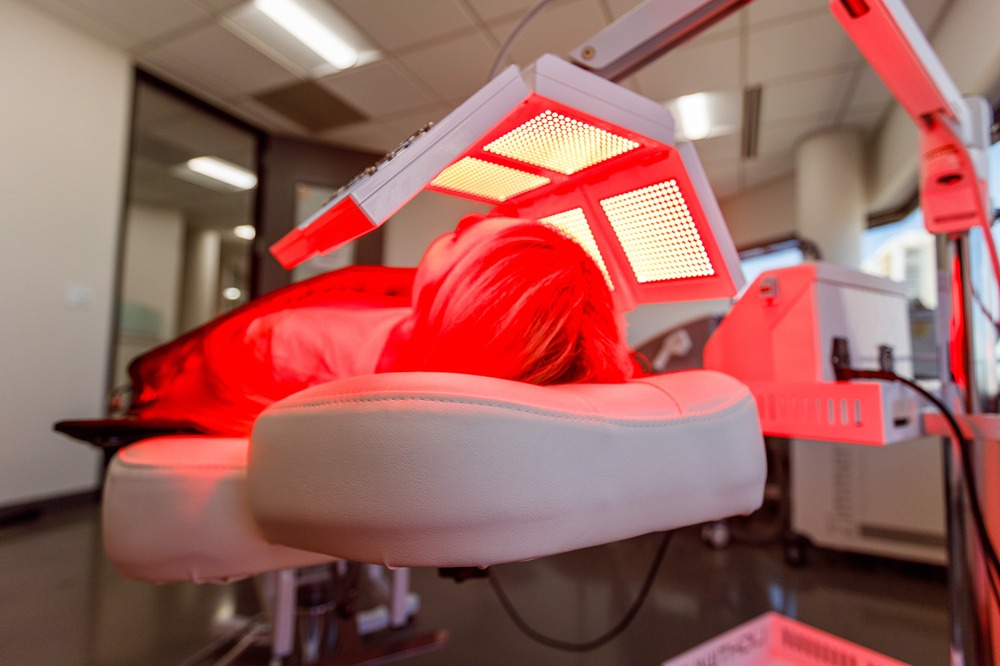
Another cutting-edge tool is photobiomodulation with LED light therapy. Red and near-infrared light penetrate tissues and stimulate mitochondria to produce more ATP.
Benefits include:
- Faster tissue repair and healing
- Enhanced collagen production for skin vitality
- Reduced inflammation and pain
- Improved cellular resilience
In my practice, I often combine acupuncture with LED light therapy to maximize both Yang Qi flow and mitochondrial energy production.
Cultivating Energy for Longevity
Yang Qi and mitochondria may come from different traditions, but they point to the same truth — your health depends on strong, resilient energy. When Yang Qi flows freely and your mitochondria are thriving, you feel vibrant, youthful, and adaptable. When they weaken, fatigue, sluggishness, and premature aging set in.
The good news is that you can take steps every day to support this vital force. Through acupuncture, moxibustion, tailored herbal medicine, HIIT exercise, and LED light therapy, you can restore balance, build resilience, and reclaim your energy.
Feel Better. Get Acupuncture.