TL;DR
Discover the Power of Acupuncture and Herbal Remedies to Stay Healthy in New York City’s Changing Seasons.
As the seasons transition, many New Yorkers and others find themselves increasingly susceptible to illness. A simple sneeze, a persistent cough, or even a brisk cold wind, particularly common in a city like New York, can easily lead to a cold. Fortunately, Chinese medicine offers powerful therapies, including acupuncture and herbal remedies, to help prevent and alleviate cold symptoms, providing a holistic approach to wellness right here in the Upper West Side of NYC.
Table of Contents
Understanding Qi and Immunity in Chinese Medicine
What Is Qi?
In Chinese medicine, immunity is deeply connected to qi, the body’s vital energy. Qi is akin to our general Western concept of energy—it provides the power for daily activities like work, study, growth, and exercise. Crucially, it also protects us from becoming ill. When you feel “wiped out” or “have no energy,” it can be understood as having low qi.
Qi and Digestion
The primary ways we build qi are through a good diet and adequate sleep. This highlights why good digestion is vital for sufficient energy and robust immunity, and why a lack of sleep often makes us more prone to sickness.
Qi Stagnation and Stress
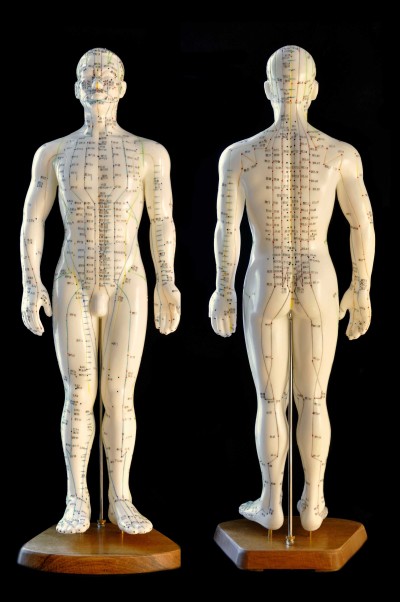
A key distinction between the Western idea of energy and qi is that qi circulates through the body in specific pathways called channels or meridians. When qi slows down or becomes blocked, a condition known as qi stagnation, it can be a major cause of disease. Emotional stress frequently leads to qi stagnation, which explains why many tend to get sick when under significant stress. In the view of acupuncture, poor immunity often results from a qi imbalance—either having too little qi or experiencing qi stagnation. Both acupuncture and Chinese herbs function by improving the circulation and the overall quantity of qi within the body.
Symptoms often associated with too little qi include:
- frequent colds
- fatigue
- shortness of breath
- coughing
- soft voice
- poor digestion
- weak pulse
- pale tongue
These symptoms are also commonly observed in individuals with chronic respiratory infections or autoimmune conditions such as asthma, chronic bronchitis, or sinusitis and chronic sinus headaches.

Acupuncture’s Role in Boosting Immunity and Fighting Colds
Acupuncture is effective because it corrects imbalances in the qi. Research indicates that acupuncture can stimulate immune system cellular activity and gene expression, as well as influencing enzyme activity. In Chinese medicine terms, this means acupuncture is effectively boosting your qi.
It not only helps prevent colds by strengthening the immune system but can also significantly reduce cold symptoms like sore throat, headaches, and body aches. Acupuncture and Chinese medicine practitioners, like those at Alban Acupuncture in New York City’s Upper West Side, tailor treatments to address the specific symptoms and feelings of each patient.
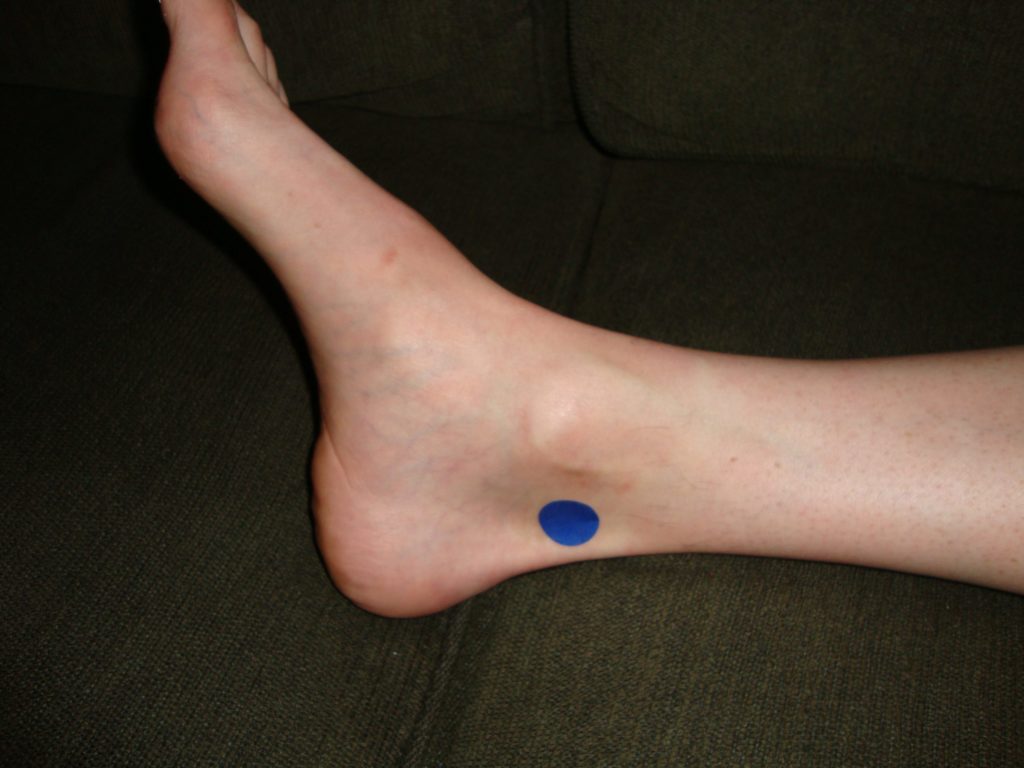
Here are some acupuncture points often used to help with common cold symptoms:
- Lung 5 and Lung 7: Effective for reducing cough and chest congestion.
- Lung 1: Helpful for significant chest congestion, often combined with cupping on the back.
- LI 4 (Large Intestine 4): Helps relieve sinus headaches. It can be combined with Urinary Bladder 7 and Yin Tang (located on the center of the forehead).
- Spleen 9: Also aids in relieving sinus headaches.
- Lung 7 and Kidney 6: Very helpful for sore throats.
- St 36 (Stomach 36): Helps to boost overall energy levels.
- Stomach 40: Can help with post-nasal drips and phlegm in the throat.
- Gall Bladder 41 and San Jiao 5: This combination can help fight off an early cold that is starting to become more severe.
- San Jiao 5: Also assists with sore throat.
Beyond needles, cupping is another service offered that can aid with chest congestion.

Chinese Herbs for Cold Prevention and Treatment
Chinese medicine has a rich history, spanning thousands of years, of both preventing and relieving colds.
Chinese herbs can help alleviate a range of symptoms including sore throat, coughing, headaches, fatigue, chills, and fever. The key to their effectiveness lies in using the right formula at the right stage of your cold. It is important to consult a trained herbalist or Chinese medicine practitioner before taking any herbs to ensure you receive a high-quality formula tailored to your specific imbalance.
Here are some commonly used Chinese herbal formulas and individual herbs:
-
🌿 Gan Mao Ling
This formula translates to “common cold pills” and is excellent for both preventing and treating minor colds.
It’s best taken in the very early stages, as soon as you feel run down or notice a slight tickle in your throat. You can also take it preventatively when traveling or if people around you are sick. The herbs in this formula are known for their anti-viral capabilities, particularly within the respiratory tract.
It’s better for mild colds and not strong enough if you are sweating heavily. -
🌿 Yin Qiao San
This is a primary formula for a cold accompanied by a sore throat.
In Chinese medicine, common colds often manifest as “wind heat,” meaning a virus or bacteria enters through the “wind” and attacks the respiratory system. Key herbs like Honeysuckle and Forsythia fruit in this formula are powerful anti-viral agents that “release the wind heat”. It is stronger than Gan Mao Ling and is suitable if you are experiencing a light fever, light chills, sweating, and a sore, scratchy throat. It is most effective when taken early in the cold’s progression. -
🌿 Huo Xiang Zheng Qi Tang
This formula is primarily used for stomach bugs and can be effective for severe stomach issues or minor food poisoning.
Its aromatic herbs target viruses in the digestive system and help restore it to a healthy state after an illness. It can also be useful when traveling if you’ve eaten something questionable. -
🌿 Ling Zhi (Ganoderma or Reishi)
Also known as Hen of the Woods, this mushroom possesses powerful immune-boosting properties.
It is excellent for boosting your body’s qi and is specifically recommended for preventing colds. It has many other health benefits, including reducing allergies, treating insomnia, and managing hypertension. It’s best taken in small, daily doses to prevent colds, especially during seasonal changes, and is not as effective once a cold has already set in. While it grows in the United States, it’s important to forage with an expert guide. -
🌿 Cordyceps
This mushroom, originally from Tibet, is widely used to improve immune function.
It can be particularly helpful during winter and seasonal transitions to boost immunity when others are getting sick. It’s especially beneficial for individuals with chronic respiratory conditions like asthma and sinusitis. -
🌿 Ginseng
A well-known herb, ginseng is recognized for its ability to boost qi and enhance immunity.
It has been shown to prevent colds and upper respiratory tract infections. -
🌿 Bi Yan Pian
This is a potent formula designed to address nasal congestion and sinus headaches.
It can be used both during a cold and for the persistent nasal congestion and runny nose that often follow a cold.
Simple Home Remedies for Cold Prevention
Beyond professional Chinese medicine treatments, several natural home remedies can help prevent a cold:
- Vinegar: Viruses do not thrive in acidic environments. Consuming foods with vinegar or even gargling with it can help prevent the flu.
- Garlic: Eating garlic, especially raw, has significant antimicrobial effects on the body. As the saying goes, “A clove a day keeps the doctor away!”.
- Vegetable Soup: A delicious way to consume many nutrients from vegetables. Incorporating aromatic vegetables like onions, garlic, and scallions can be particularly helpful in preventing the common cold.
- Seasonal Vegetables: Eating foods that are in season provides the body with the right nutrients for that time of year. For example, in Chinese medicine, squash and potatoes are considered warming foods that boost energy as the weather turns colder. Opting for local produce, perhaps from a New York City greenmarket, ensures freshness and better nutrient retention.
Strengthening Your Defenses, Naturally
It’s easy to find ourselves run down or battling the latest cold going around, especially as the seasons change. But with the wisdom of Chinese medicine, we have tools to both prevent illness and recover more quickly when it strikes. By supporting your body’s qi through acupuncture, personalized herbal formulas, and nourishing lifestyle habits, you can build resilience and stay well through the ups and downs of the weather—and daily life.
Whether you’re feeling that first tickle in your throat or want to be proactive about your immune health, Chinese medicine offers a gentle yet powerful path forward. And here on the Upper West Side, expert care is just around the corner.
Ready to strengthen your immune system naturally?
Visit Alban Acupuncture on the Upper West Side for personalized care.