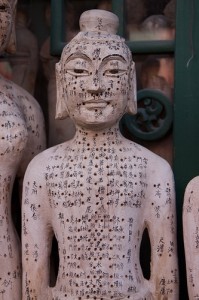
Nocturia—frequent nighttime urination—is a frustrating and disruptive symptom that affects more than half of prostate cancer survivors. Waking up multiple times at night to urinate not only interferes with deep, restorative sleep but also contributes to fatigue, reduced quality of life, and long-term health risks. In my acupuncture practice, I regularly support men navigating these challenges after prostate cancer treatment.
A recent clinical trial published in JAMA Oncology showing the effectiveness of acupuncture for nocturia in prostate cancer survivors is promising and welcome news, reinforcing what we have seen in the clinic.
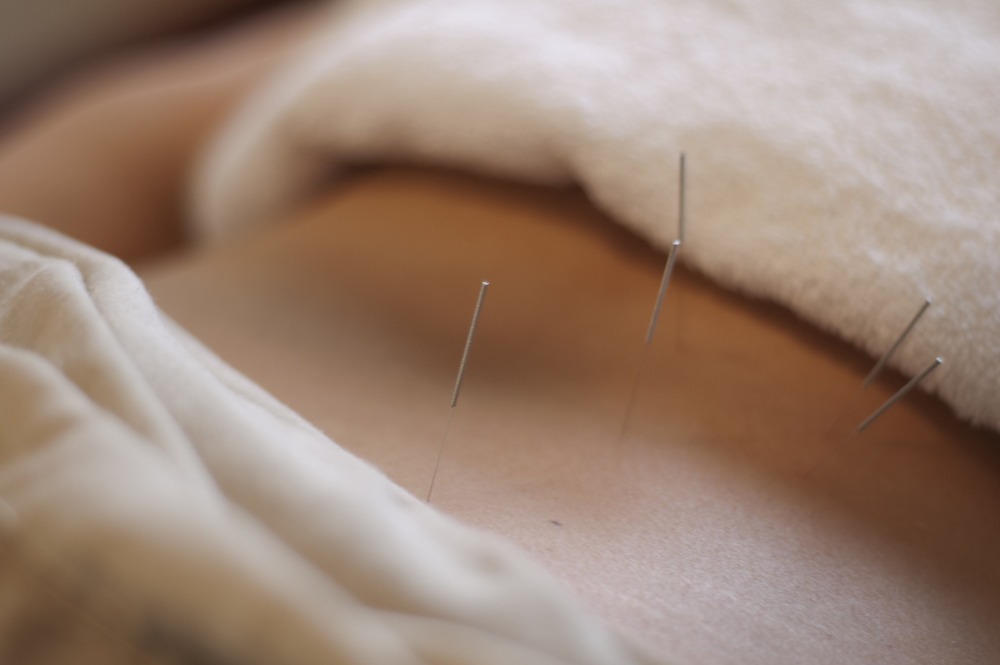
Table of Contents
A new study on acupuncture for nocturia
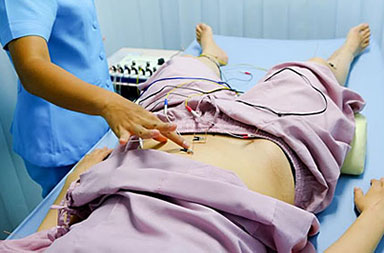
In a recent study published in JAMA Oncology, researchers conducted a randomized clinical trial involving 60 prostate cancer survivors who experienced at least two episodes of nocturia per night. Participants were divided into two groups: one received 10 weekly acupuncture treatments using bladder and kidney points with electrical stimulation; the other received usual care while waiting for acupuncture.
The results:
- Men in the acupuncture group had a reduction of more than one nocturia episode per night compared to controls.
- Their overall urinary symptoms, measured by the International Prostate Symptom Score (IPSS), improved by more than 3 points—considered clinically meaningful.
- No serious side effects were reported—just mild, short-lived dizziness or insomnia in a few cases.
- These findings suggest that acupuncture can provide real relief for nocturia with few risks.
What is nocturia and why is it so disruptive?
Nocturia is defined as waking at least once per night to urinate, but many men experience it two or more times—especially after prostate cancer treatment. It interferes with sleep cycles, reduces energy, and may lead to falls or injury in older adults.
How acupuncture may help
Acupuncture has been shown to:
- Modulate nerve signaling in the bladder. Points like BL31–BL33 lie near sacral nerves (S1–S3), which innervate the bladder and urethral sphincters. Stimulating these may influence detrusor muscle activity and urgency signals. (2)
- Influence brainstem centers that control urination. Electroacupuncture at BL23 to BL33 may modulate central control of micturition via the pontine micturition center, as shown in prior research on acupuncture for bladder dysfunction.(3)
- Reduce inflammation and improve pelvic floor tone. (4)
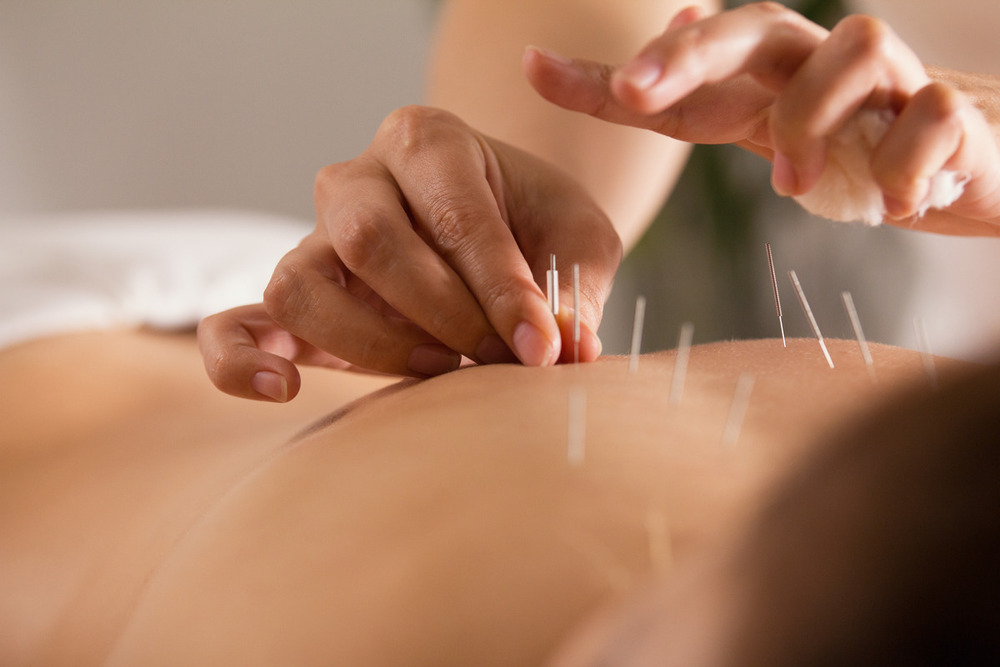
Acupuncture points used in the study
- BL23 (Shenshu): Back-Shu point of the Kidney. Tonifies Kidney Qi and Yang, essential for urinary function and fluid regulation.
- BL28 (Pangguangshu): Back-Shu point of the Bladder. Directly regulates Bladder Qi transformation and urination.
- BL31, BL33 (Shangliao, Zhongliao): Sacral foramen points that influence the Bladder and reproductive organs; often used for urinary retention, frequency, or urgency.
- BL35 (Huiyang): Clears Damp-Heat and supports lower Jiao function—used in genital and rectal disorders.
- BL40 (Weizhong): He-Sea point of the Bladder. Key point for draining Dampness and opening the lumbar region.
- KI3 (Taixi): Yuan-source point; tonifies Kidney Yin and Yang, strengthens lower back and regulates water pathways.
- KI7 (Fuliu): Regulates sweating and water metabolism; often combined with KI3 to tonify Kidney Yang.
- SP6 (Sanyinjiao): Crosses Spleen, Liver, and Kidney channels. Tonifies Yin, resolves Dampness, and is critical in regulating lower Jiao function (including urination and menstruation).
Auricular Points:
Kidney and Bladder points: Used to reinforce the systemic treatment, these points correspond with organ function and can stimulate parasympathetic modulation.
Electroacupuncture parameters:
Electro-stimulation applied bilaterally from BL23 to BL33 or BL52
Frequency: 2–10 Hz
Duration: 20–30 minutes
My approach in clinic
In my practice, I approach each patient as an individual and customize the treatment specifically for each patient.
For men recovering from prostate cancer treatment, nocturia is often just one piece of a larger picture that includes urinary frequency, urgency, pelvic discomfort, and sexual dysfunction. These symptoms can persist for months or even years, affecting not only physical well-being but also sleep, mood, confidence, and relationships.
That’s why I tailor acupuncture treatments to each patient’s unique constitution, history, and recovery path.
My treatments focus on:
- Supporting Qi (the body’s energy) to restore the function of the Kidney and Bladder systems, which regulate urination and fluid balance in Traditional Chinese Medicine (TCM)
- Improving sleep and calming the nervous system to reduce nighttime waking and promote deeper rest
- Reducing urinary urgency and frequency by promoting better bladder control and regulating overactive bladder signaling
- Easing pelvic discomfort or pain
- Addressing sexual dysfunction, including erectile issues, low libido, and post-ejaculatory pain, by restoring the flow of Qi and Blood, tonifying the Kidneys, and calming the Shen (spirit)
Treatment plans commonly include acupuncture points like BL23, BL28, BL31–BL33, KI3, KI7, SP6, and BL40, which have been shown to regulate urinary and pelvic functions. I also select additional points based on each individual’s needs—whether they require support for hormonal balance, emotional health, or circulation.
To enhance results, I often integrate additional therapies such as:
- TDP infrared heat lamp therapy, which gently warms the lower back or abdomen to improve circulation and tonify Kidney Yang
- Moxibustion, a technique using heat from mugwort to invigorate the body’s core systems and support recovery
Many of my patients find that acupuncture helps with fewer trips to the bathroom at night, as well as improvements in energy, mood, and intimacy. Acupuncture offers a safe, drug-free approach to rebuilding health after prostate cancer—one that respects the complexity of your journey and supports healing on all levels.

Feel better. Get acupuncture.
Nocturia is a common challenge for prostate cancer survivors. This new research adds to a growing body of evidence showing that acupuncture can help restore better urinary health—and more restful sleep.
If you’re waking up multiple times at night or still struggling with urinary symptoms after treatment, acupuncture may offer the relief you’re looking for.
References:
- Liou KT, Carlsson S, Ajay D, et al. Acupuncture for nocturia in survivors of prostate cancer: the NOCTURNAL randomized clinical trial. JAMA Oncol. Published online May 29, 2025. doi:10.1001/jamaoncol.2025.1199
- Liu X, Liu K, Zhi M, Mo Q, Gao X, Liu Z. Effects of electroacupuncture at BL33 on detrusor smooth muscle activity in a rat model of urinary retention. Acupunct Med. 2017;35(6):437–444. doi:10.1136/acupmed-2016-011355. PMID: 29109130; PMCID: PMC5738530.
- Feng QF, Zhang AD, Xing M, Wang X, Ming SR, Chen YL. Electroacupuncture alleviates bladder overactivity via inhibiting bladder P2X3 receptor. Evid Based Complement Alternat Med. 2020;2020:4080891. doi:10.1155/2020/4080891. PMID: 32256644; PMCID: PMC7103056.
- Yi L, Huang B, Liu Y, Zhou L, Wu Y, Yu C, Long W, Li Y. Acupuncture therapies for relieving pain in pelvic inflammatory disease: a systematic review and meta-analysis. PLoS One. 2024;19(1):e0292166. doi:10.1371/journal.pone.0292166. PMID: 38295033; PMCID: PMC10830011.