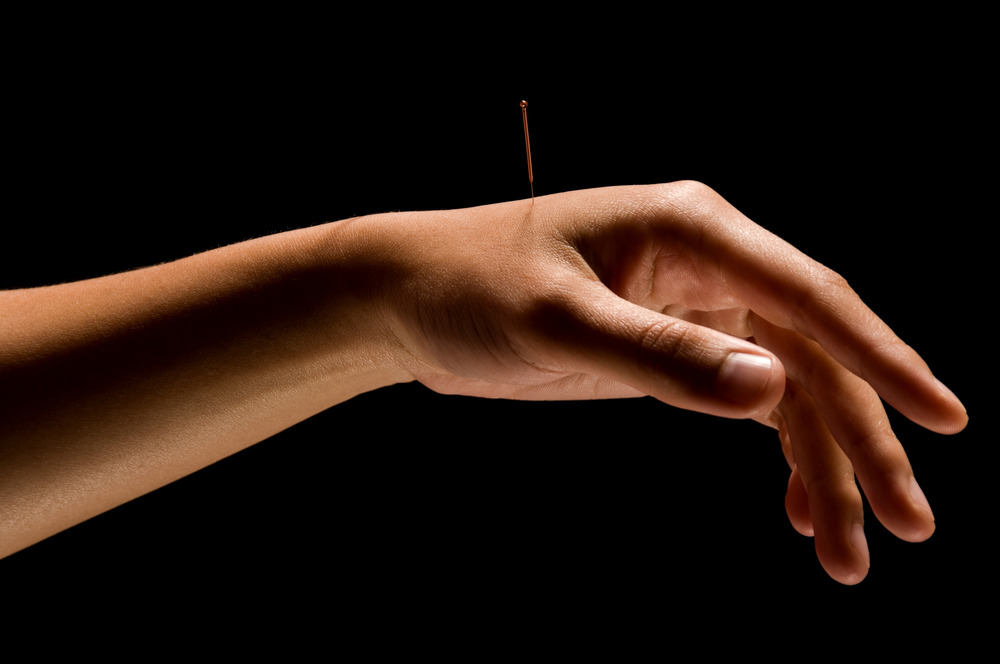
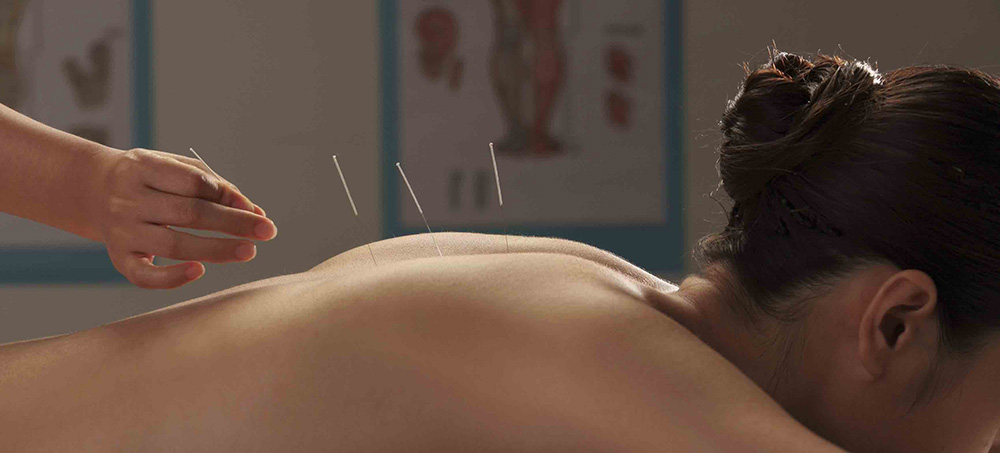
Acupuncture is a natural non-hormonal approach for relieving perimenopausal symptoms such as hot flashes, night sweats, sleep disruption, mood changes, and shifts in libido.
During perimenopause, fluctuating estrogen levels affect the brain and nervous system, altering temperature regulation, sleep quality, and emotional balance. These changes can begin years before menopause and often intensify as hormone signaling becomes less predictable.
A 2025 clinical study published in Medical Acupuncture found that acupuncture significantly improved daily hot flashes, overall quality of life, and sexual health in perimenopausal women — with benefits lasting up to 12 months after treatment ended.(1)
In this blog, I will review the evidence from the study as well as share the approach of acupuncture for perimenopause symptoms.
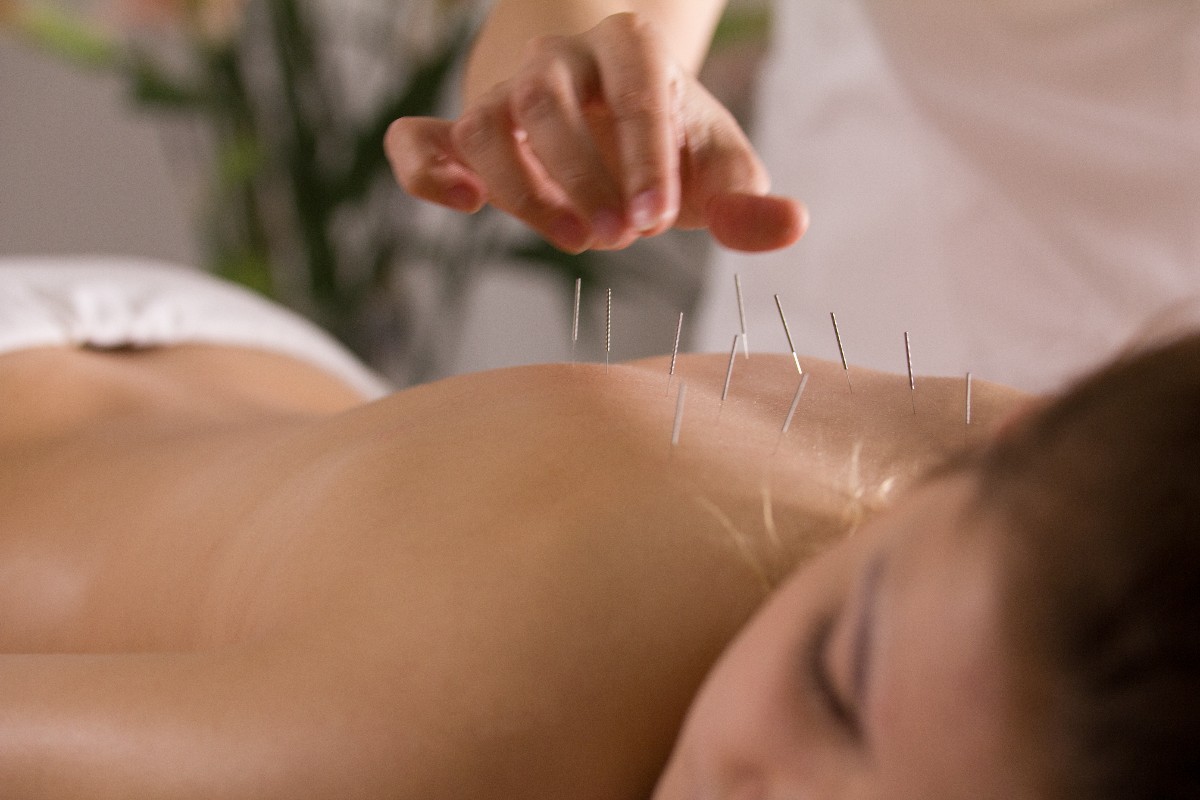
Table of Contents
Research summary: acupuncture for perimenopause
A recent pilot study published in Medical Acupuncture evaluated the effects of acupuncture on women experiencing perimenopausal symptoms, particularly daily hot flashes and quality-of-life changes.(1)
Key findings from the study include:
- Significant reduction in daily hot flashes and night sweats
- Improved overall quality of life and life satisfaction
- Women experienced meaningful improvements in well-being during and after treatment.
- Notable improvements in sexual desire and sexual satisfaction
- Sustained benefits up to 12 months after treatment
- No serious adverse effects were reported.

What is perimenopause?
Perimenopause is the transitional period leading up to menopause and typically begins in a woman’s early to mid-40s, though it can start earlier.
This phase may last anywhere from four to ten years and is characterized by hormone fluctuations rather than hormone deficiency.
Common symptoms include:
- Hot flashes and night sweats
- Insomnia
- Anxiety or irritability
- Brain fog
- Fatigue
- Weight changes
- Dry skin and hair
- Low libido
- Irregular menstrual cycles
Because hormone levels can rise and fall dramatically from month to month, symptoms during perimenopause are often more intense and unpredictable than those experienced after menopause.
Why perimenopause symptoms may feel so intense
From a biomedical standpoint, fluctuating estrogen disrupts the hypothalamus — the brain’s temperature-regulation center. This narrows the body’s thermoneutral zone, meaning small changes in temperature can trigger hot flashes and sweating.
Estrogen also plays a role in serotonin, dopamine, and GABA regulation, which helps explain why mood changes, anxiety, and sleep disturbances are so common during this phase.
Research shows acupuncture can influence nervous system function in a wide range of conditions involving disrupted brain–body communication, including chronic stress and insomnia, and chronic pain. Because perimenopause involves similar disruptions in brain–hormone communication, acupuncture may help the nervous system recalibrate its response to fluctuating estrogen levels, allowing symptoms to stabilize more naturally.
Traditional Chinese Medicine view of perimenopause
In Traditional Chinese Medicine, perimenopause is viewed as a shift in the body’s Yin and Yang balance.
Common patterns include:
- Kidney Yin deficiency
- Yin–Yang imbalance
- Empty heat rising
- Liver Qi stagnation transforming into heat
- Disharmony of the Chong and Ren vessels
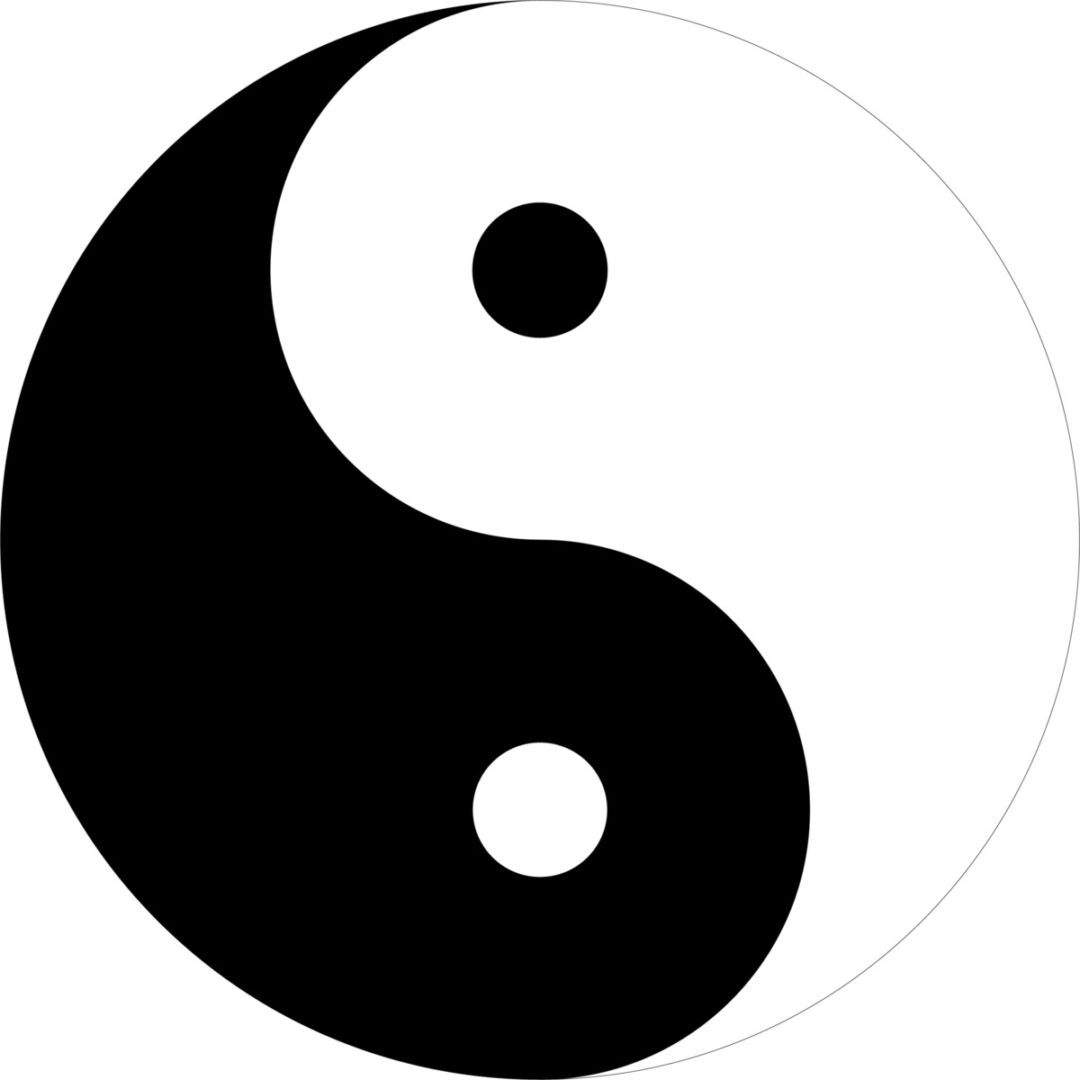
When Yin no longer anchors Yang effectively, heat rises upward, leading to hot flashes, night sweats, irritability, insomnia, and palpitations.
What the research says about acupuncture for perimenopause
In the 2025 pilot study included women ages 48–57 experiencing daily hot flashes received eight acupuncture treatments over ten weeks.
Participants reported significant improvements in:
- Significant reduction in hot flashes
- Improved quality of life
- Notable improvement in sexual desire and satisfaction
Even more compelling, these improvements were maintained at six- and twelve-month follow-ups, suggesting acupuncture may create lasting physiologic change rather than short-term symptom suppression.
Acupuncture treatment used in the study
In the study, women received eight acupuncture treatments over ten weeks using a standardized protocol designed to address common perimenopausal patterns such as Yin deficiency and internal heat.
The acupuncture points used included:
- LU7 (Lieque)
- KI6 (Zhaohai)
- KI3 (Taixi)
- SP6 (Sanyinjiao)
- LV2 (Xingjian)
- CV17 (Shanzhong)

This point combination is a strong and clinically appropriate approach for perimenopause, focusing on nourishing Yin, clearing heat, improving circulation, and calming the nervous system.
While standardized protocols are important for research, in clinical practice I find that individualized acupuncture treatments are even more effective. Perimenopause can present very differently from one woman to another, and tailoring treatment to each person’s unique pattern often leads to more complete and lasting results.
Perimenopausal symptoms acupuncture may help
Many women seek acupuncture for support with:
- Night sweats
- Insomnia
- Anxiety and mood swings
- Female Sexual Dysfunction
- Brain fog
- Joint pain and stiffness
- Palpitations
- Fatigue
- Dry skin
Treatment is always individualized, addressing each woman’s unique symptom pattern rather than applying a one-size-fits-all approach.

Feel better, get acupuncture
Perimenopause is not simply a hormonal problem — it is a complex brain-body transition.
Growing research now confirms that acupuncture offers a safe, effective, non-hormonal approach for supporting women through this stage of life, improving hot flashes, sleep, mood, sexual health, and overall quality of life.
In Traditional Chinese Medicine, perimenopause reflects a natural decline of Kidney Yin and a need to rebalance Yin and Yang. Acupuncture helps to rebalance the yin and yang bringing harmony back to the body.
If you would like to make an appointment please call us at 212-319-5757 or you can also make your appointment online.
- McNally ST, McElligott D, Miller J, Pekmezaris R. The impact of acupuncture on perimenopause. Med Acupunct. 2025;00(00):1-5. doi:10.1177/19336586251371881