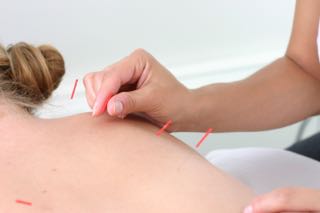
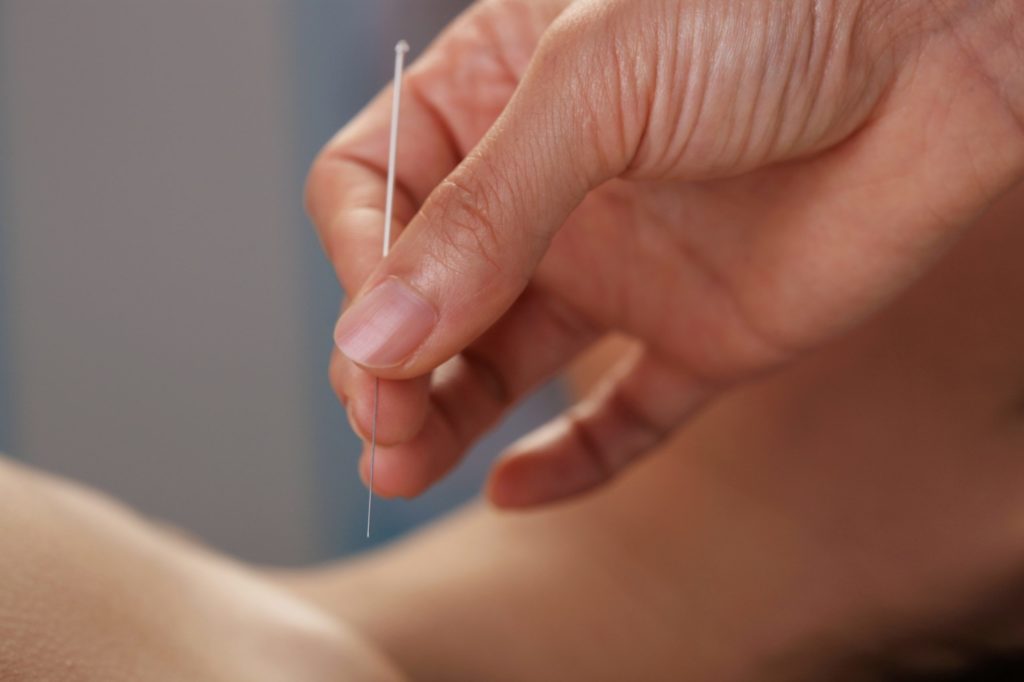
Acupuncture works by improving the circulation of Qi and Blood. When you are getting acupuncture, you can feel it — a spreading warmth, a softening of tension, or a feeling of movement.
Now, modern science is starting to show what those sensations look like beneath the skin.
A recent study used real-time imaging to observe tissue during acupuncture. Researchers observed red blood cells speed up and collagen fibers realign — a visible representation of the movement of Qi and Blood that we’ve described for centuries (7).
This new research bridges the classical language of Traditional Chinese Medicine (TCM) with modern visualization, giving us a clearer picture of how acupuncture restores flow and harmony.
Table of Contents
Qi, Blood, and the De Qi
We are when Qi and Blood flow freely throughout the channels. When Qi stagnates, pain, tension, or illness arise.
During acupuncture, both patient and practitioner often feel the arrival of De Qi — the characteristic sensation signaling that the needle has connected with the body’s energy. Patients may describe it as heaviness, warmth, tingling, or a pulling sensation; practitioners feel a grasp around the needle, as if the tissues are gently holding it. This is traditionally described as when a fish grabs the line when fishing.
The stimulation of acupuncture gets the Qi to move. From a modern viewpoint, De Qi reflects a complex interaction of mechanical, neurological, and circulatory responses.
What the Needle Does to Fascia and Connective Tissue
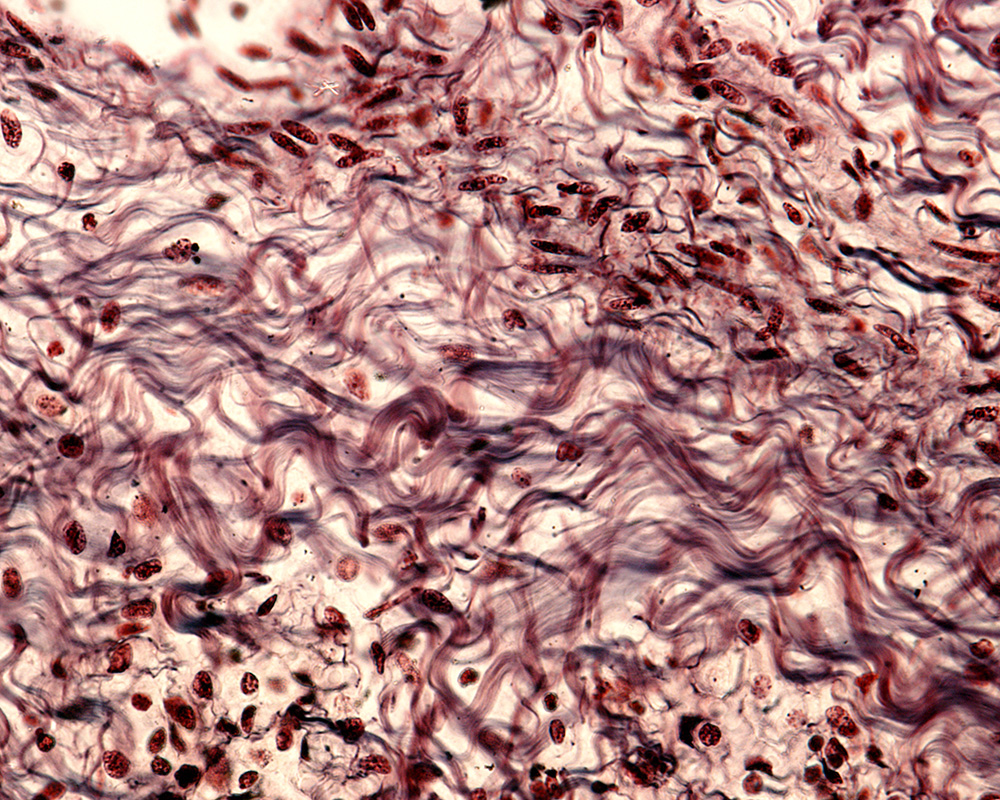
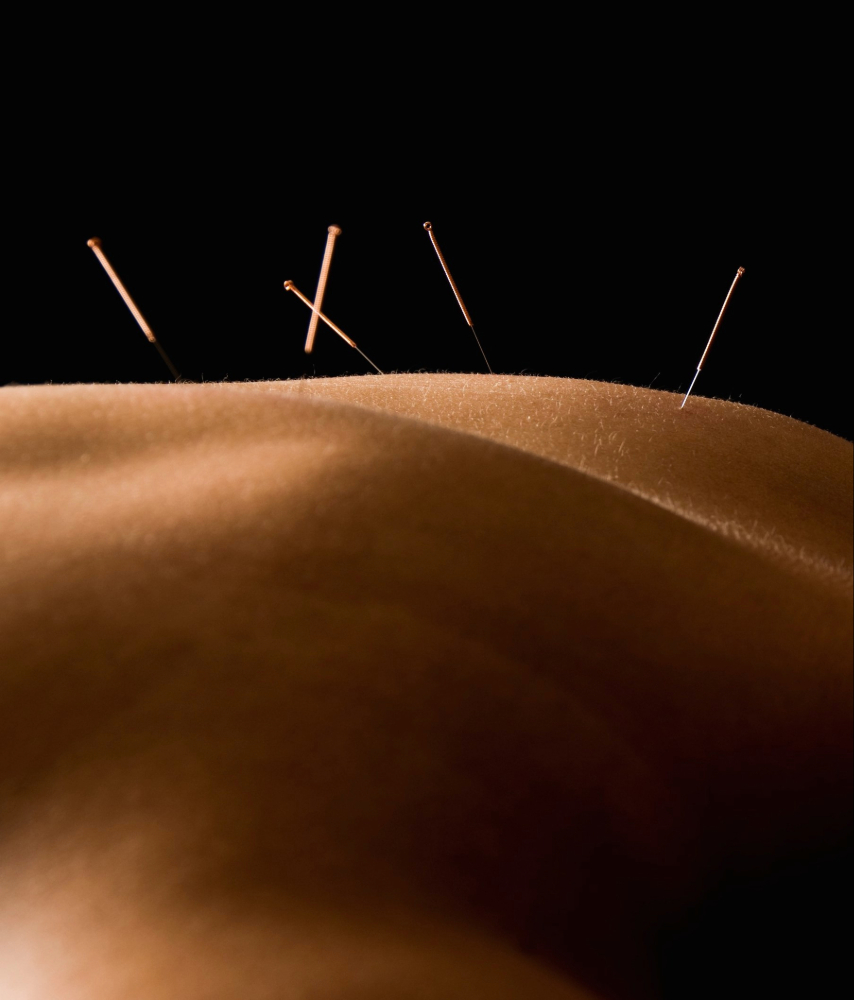
Research over the past two decades has revealed that this needle grasp has a physical basis in the body’s fascia, the connective-tissue network that integrates muscles, skin, and organs.
Scientists have shown that when a needle is gently rotated, connective tissue fibers wind around it, creating measurable tension — a literal grasp at the tissue level (1). This mechanical coupling spreads through the fascia, altering its structure and signaling properties.
Subsequent work showed that these movements cause fibroblast cytoskeletal remodeling — the cells within the fascia stretch, reorient, and reorganize (2). This process, called mechanotransduction, converts the needle’s mechanical input into biochemical signals that influence circulation, inflammation, and tissue tone.
Ultrasound has also been used to map tissue movement around a needle. They found that needling creates fascial tissue changes that spread along fascial planes several centimeters from the insertion site (3).
What we feel as De Qi — that tug on the needle, that deep heaviness the patient feels — corresponds beautifully to these connective-tissue changes. The fascial network literally engages with the needle, transmitting tension and initiating a cascade of cellular responses.
What the Tissue Releases Locally
The mechanical stimulation of fascia also triggers local chemical changes.
Acupuncture increases levels of adenosine, a molecule that both reduces pain and enhances microcirculation (4). Adenosine binds to A1 receptors in surrounding tissues, calming pain pathways and improving oxygen and nutrient delivery.
In other words, as Qi and Blood begin to move, so do the molecules that mediate energy and healing. Adenosine’s role as a key energy carrier mirrors the classical description of Qi as the body’s vital force.
How Blood Flow Changes Under the Skin in Real Time
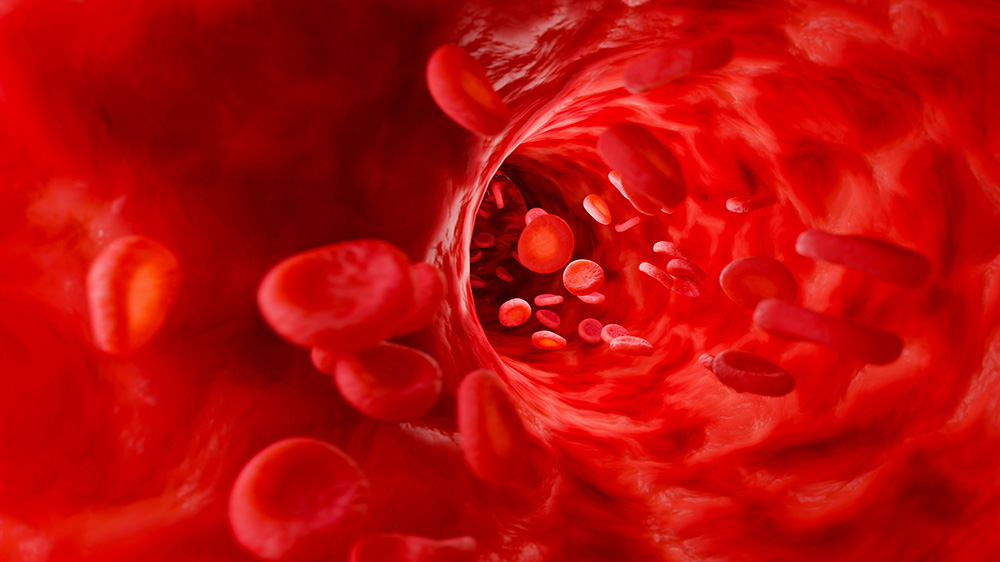
Modern imaging technologies now allow us to watch these processes unfold. Researchers have documented rapid increases in microcirculation after needling.(5, 6)
This most recent research gives a very detailed view with the use of a confocal laser imaging to capture tissue responses during acupuncture in real time (7). Specifically, they saw blood accelerating through capillaries and collagen fibers realigning into ordered bundles — a vivid display of Qi and Blood moving through the body’s microenvironment.
Bringing Ancient Insight and Modern Science Together
Acupuncture is both art and science. Each needle is a point of connection — between practitioner and patient, between fascia and flow, between ancient insight and modern discovery.
What we now see in research mirrors what we feel in practice. When a patient experiences De Qi, the tissues around the needle engage, circulation opens, and the nervous system calms.
These discoveries enrich the classical knowledge of acupuncture.
References
- Langevin HM, Yandow JA. Mechanical signaling through connective tissue: a mechanism for the therapeutic effect of acupuncture. FASEB J. 2002;16(8):872-874.
- Langevin HM, Bouffard NA, Fox JR, et al. Subcutaneous tissue fibroblast cytoskeletal remodeling induced by acupuncture: evidence for a mechanotransduction-based mechanism. J Cell Physiol. 2006;207(3):767-774.
- Fox JR, Gray W, Koptiuch C, Badger GJ, Langevin HM. Anisotropic tissue motion induced by acupuncture needling along intermuscular connective tissue planes. PLoS One. 2014;9(7):e102259.
- Goldman N, Chen M, Fujita T, et al. Adenosine A1 receptors mediate local anti-nociceptive effects of acupuncture. Nat Neurosci. 2010;13(7):883-888.
- Zhi FY, et al. Optical coherence tomography analysis of skin blood flow changes after acupuncture. (Study summary).
- Mirg S, Ambekar R, Chandra S. Photoacoustic imaging for microcirculation: a review. Biomed Eng Lett. 2022;12:1-24.
- Xiong F, Song X, Zhou L, et al. Real-time monitoring of acupuncture-induced dynamics in subcutaneous connective tissue via in vivo laser confocal imaging. J Vis Exp. 2025;(224):e69173. doi:10.3791/69173.