If you’re struggling with burning pain, tingling, or the feeling of a pebble stuck in your shoe, you may be experiencing Morton’s neuroma — a painful condition that affects the ball of your foot, most commonly between the third and fourth toes.
In our practice, we use acupuncture to help patients find lasting relief from Morton’s neuroma and get back to moving comfortably again.
In this article, I’ll share how acupuncture and Chinese medicine offer an effective, natural approach to relieving Morton’s neuroma and restoring comfort and mobility.
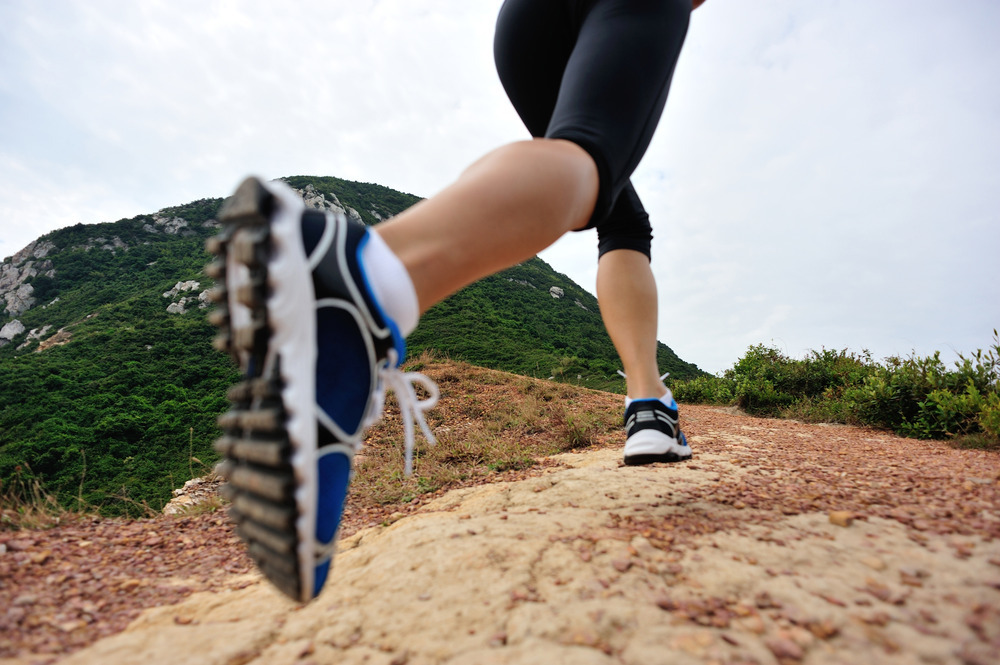
Table of Contents
What Is Morton’s Neuroma and Why Does It Cause Foot Pain?
Morton’s neuroma develops when the interdigital nerve becomes inflamed, often due to factors like tight or narrow shoes, high heels, high-impact activities like running, or poor foot structure such as flat feet. It tends to occur specifically between the third and fourth toes because the metatarsal bones are closer together in that area, making the nerve more susceptible to compression and irritation.
This condition is often triggered by:
- Tight or narrow footwear
- High-impact activities such as running
- Structural issues like flat feet
- Prolonged use of high heels
Because there is naturally less space between the metatarsal bones in this area, the nerve is more prone to compression and irritation.
Common symptoms of Morton’s neuroma include:
- Burning sensation
- Tingling or numbness
- Sharp, stabbing pain
- A pebble-like feeling underfoot
Differentiating Morton’s neuroma from other causes of ball-of-foot pain, like plantar calluses, is important for proper treatment.
Lifestyle Changes to Help Heal Morton’s Neuroma
The first step toward managing Morton’s neuroma is modifying footwear and daily habits. Proper footwear with a wide toe box and supportive soles is essential. For runners, a professional shoe fitting is highly recommended.
In mild and early cases this can be enough to significantly improve their symptoms and even resolve the inflammation. Continued irritation to the area can result in fibrotic thickening around the nerve, which can become more challenging to heal later on.
Acupuncture for Morton’s Neuroma: A Natural Pain Relief Option
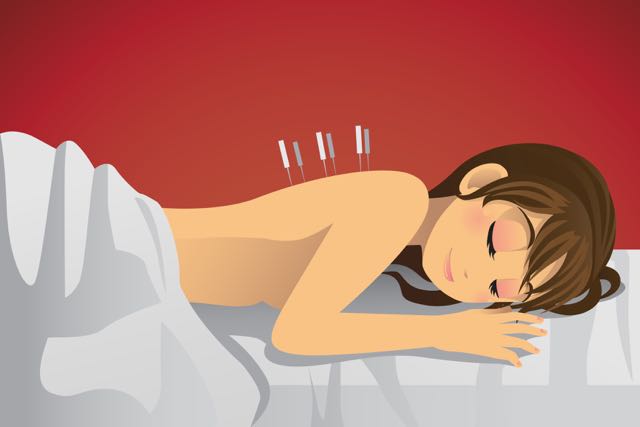
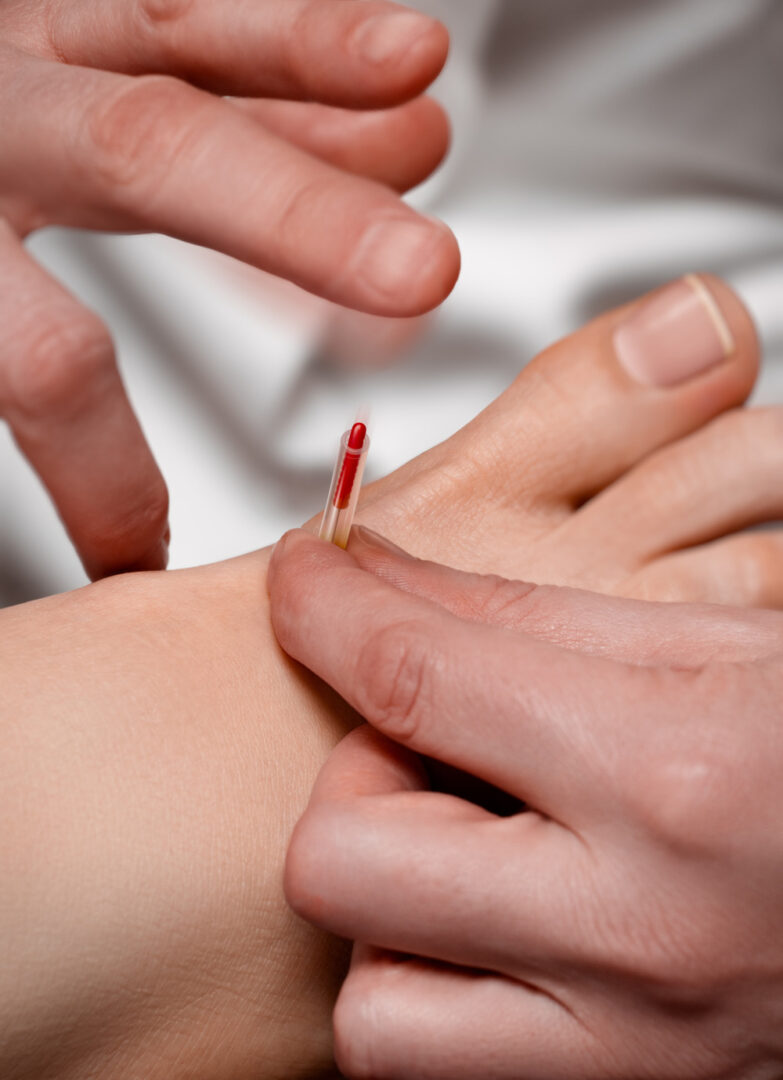
Acupuncture offers a natural, non-invasive treatment for Morton’s neuroma. Many patients notice symptom improvement in just a few sessions, depending on the severity of the condition.
Acupuncture can help to manage symptoms and potentially reduce the need for more invasive forms of treatment such as corticosteroids and surgery.
Acupuncture harmonizes our body’s underlying imbalances in order to encourage our body’s own healing processes. By creating this state of healing and restoration, acupuncture can help regulate the nervous system, improve circulation and reduce inflammation in our bodies.
Benefits of acupuncture for Morton’s neuroma include:
- Reducing nerve inflammation
- Increasing circulation in the foot
- Calming the nervous system
- Supporting the body’s natural healing response
By addressing the root cause of stagnation and promoting healthy Qi and Blood flow, acupuncture encourages deeper and longer-lasting healing.
Treating Morton’s Neuroma at the Root with Traditional Chinese Medicine
“If there is free flow, there is no pain; if there is pain, there is lack of free flow. Where there’s stagnation, there will be pain. Remove the stagnation, and you remove the pain.”
— Huang Di Nei Jing (Classical Chinese Medicine Text)
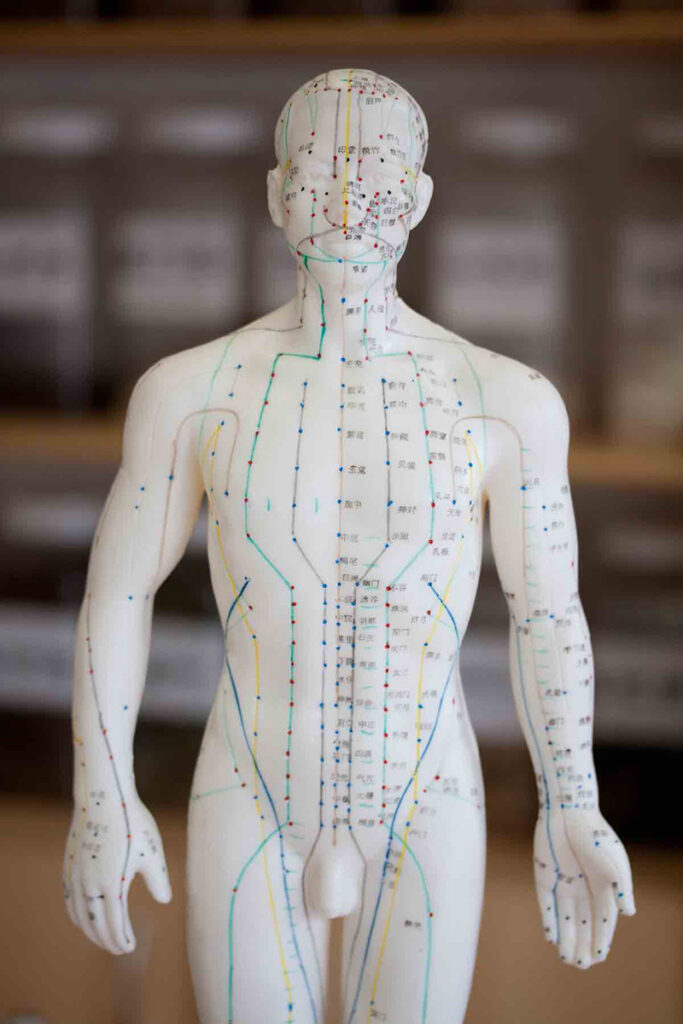
Morton’s Neuroma is a local stagnation of Qi and blood affecting the acupuncture meridians of the feet. Thus, the focus of treatment will be to improve the circulation of Qi and Blood in the local area to reduce pain and inflammation. This may involve selecting acupuncture points on the affected meridian or channel in order to remove the obstruction in the affected channel.
Why Treating the Whole Person Matters for Morton’s Neuroma Recovery
Chinese medicine is holistic by nature. In my practice, we don’t just treat the foot — we treat the person as a whole.
Key factors that support faster healing include:
- Improving sleep quality
- Supporting digestion and nutrient absorption
- Reducing stress and emotional tension
Addressing these underlying issues alongside local treatment creates the optimal environment for true healing, not just symptom management.
Improving Circulation to the Legs and Feet in Morton’s Neuroma Treatment
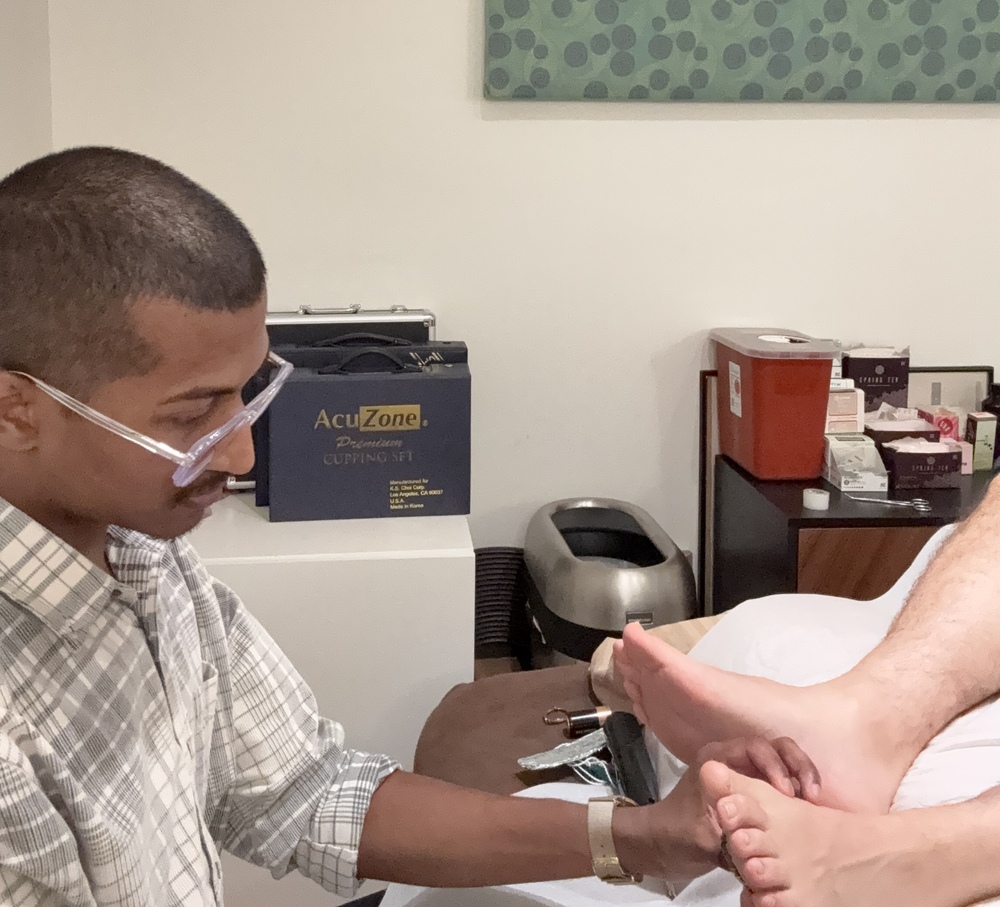
When it comes to an injury that is affecting the extremities (i.e the hand, elbow, knee, ankle, etc.) or in this case the feet, it is important to make sure there is proper circulation through the entire extremity starting at the torso.
Qi and blood can stagnant anywhere in the body, but especially at the joints. In treating Morton’s Neuroma it is important to make sure there is no obstruction in areas such as the hip and knee in order to make sure the body’s resources are able to sufficiently reach the lower parts of the body such as the feet and ankle. Thus, if a patient has morton’s neuroma, it will be important to treat any pain or tenderness affecting the hip and leg.
Non-Needling Techniques That Support Morton’s Neuroma Healing
There are many reasons acupuncturists use additional therapies in conjunction with acupuncture to further enhance the effects of acupuncture.
Tui Na–a type of medical massage can be helpful in Morton’s Neuroma to help open up the space between the metatarsals of the feet.
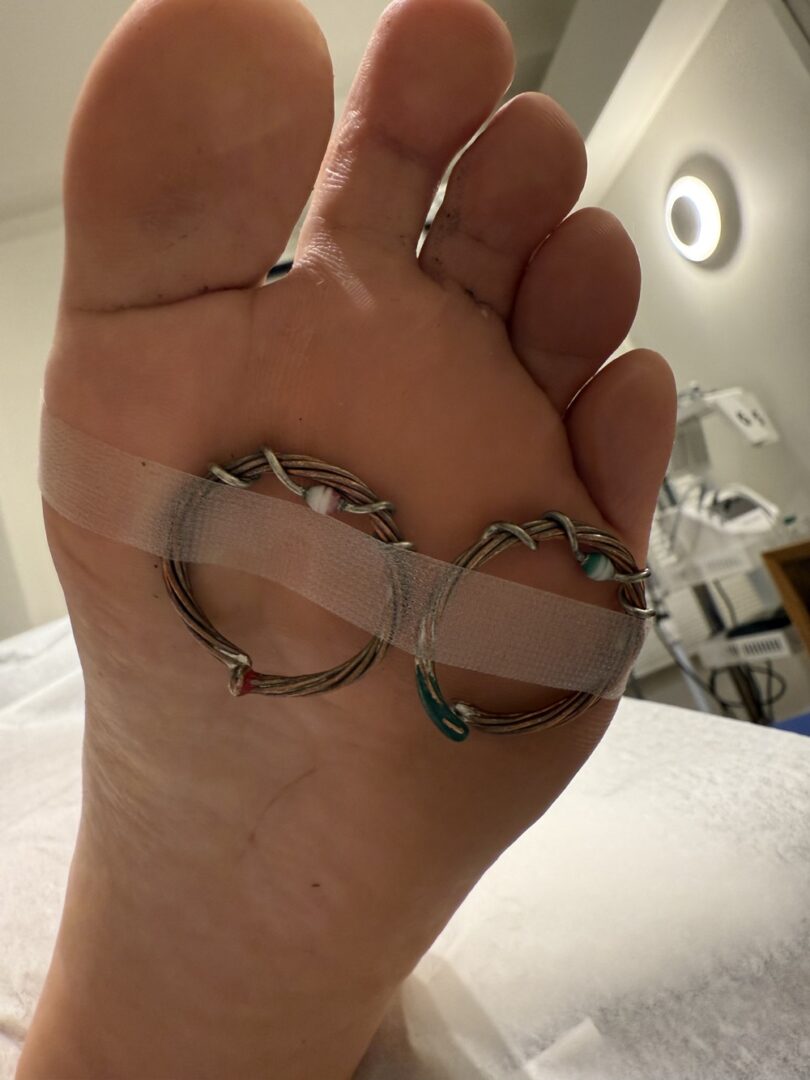
Diode rings–a small ring with a built in diode attached to it can also help to reduce nerve inflammation as well, specifically by using the body’s own electromagnetic field to promote the free flow of ions in an area affected by stagnation.
These rings are a very non-invasive technique and can be taped to the area surrounding the nerve for the duration of an acupuncture session.
Feel Better, Get Acupuncture
Chinese Medicine allows for a holistic approach to finding relief in the treatment of Morton’s Neuroma. While it is important to adjust one’s lifestyle–especially one’s foot wear, adjunctive therapies like acupuncture help to reduce pain, inflammation, and improve function allowing patients to return to normal activity or find a long-term manageable solution to relieving discomfort in non-invasive ways.
References: