Leaky gut is something I talk about in the office all the time. A patient comes in for skin flare-ups, joint pain, fatigue, or brain fog, and inevitably somewhere along the way we end up discussing digestion. Not only the bloating or reflux, but also how the gut is functioning at a deeper level.
What makes this issue so important is not just what happens in the gut, but what it sets in motion throughout the body. The digestive tract is one of the largest interfaces between you and the outside world. When its regulatory function is strained, it affects your immune system, leading to a difficulty in recognizing when something is pathogenic and when it is not. Over time, that constant immune vigilance can shift the body into a low-grade inflammatory state.
This explains the ripple effects that show up throughout the body. The skin becomes more reactive. Joints feel stiff or achy. Energy dips. Thinking becomes less clear. In people already prone to autoimmune conditions, symptoms flare more easily. What begins as a disruption in digestive resilience can gradually influence overall inflammatory tone and immune regulation.
In Traditional Chinese Medicine, digestion has long been understood as the central foundation of health. When the digestive function is strong, the body regulates inflammation effectively, the immune system remains balanced, and energy is steady. When it’s weakened, symptoms rarely stay confined to the digestive tract.
In this blog, we’ll explore leaky gut, what it is, its underlying causes and symptoms, and how Traditional Chinese Medicine approaches treatment of the whole person.
Table of Contents
What is Leaky Gut?
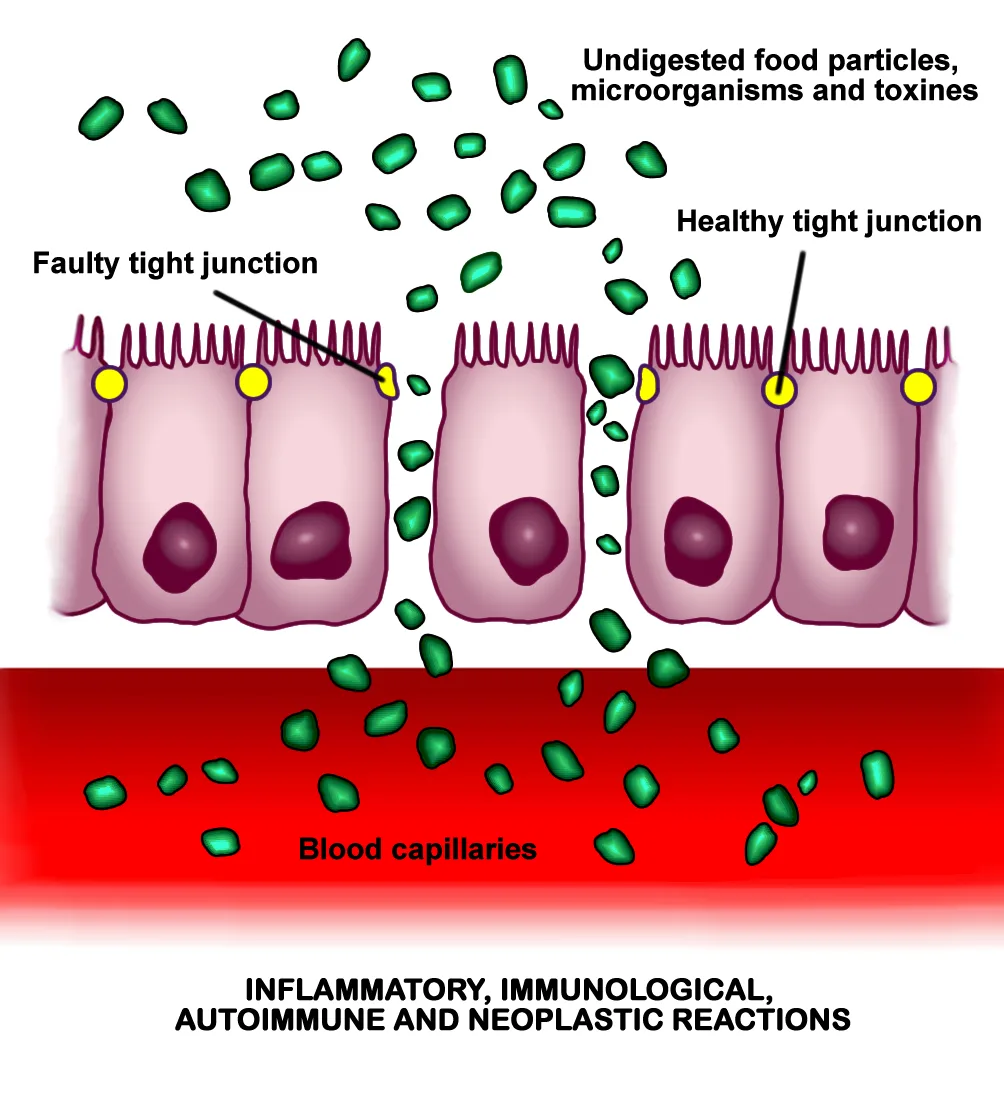
Leaky gut syndrome describes a breakdown in the intestinal lining. When the lining is compromised, bacteria, toxins, and partially digested food particles that would normally be contained and processed in the gut can pass into the bloodstream. Although the problem begins in the digestive tract, the effects rarely stay there. Over time, it can show up as skin flare-ups, fatigue, brain fog, joint pain, or autoimmune patterns.
Under normal conditions, the intestinal lining is selectively permeable. It allows nutrients to pass through while keeping harmful substances out. The cells that form this barrier are linked together by structures called tight junctions. When these tight junctions function properly, they regulate what gets absorbed and ensure that everything in the gut is appropriately broken down before entering circulation.
When those junctions loosen, larger molecules can slip through without being fully processed. The immune system recognizes these particles as foreign and mounts an inflammatory response. If this process continues repeatedly, inflammation becomes chronic. The lining becomes increasingly irritated and permeable, reinforcing the cycle. Over time, this can impair nutrient absorption and contribute to broader health concerns beyond digestion.

Symptoms of Leaky Gut
Leaky gut can manifest in a number of digestive symptoms, such as abdominal pain or burning, bloating and gas, indigestion, increased sensitivity to gut pain, and diarrhea or constipation. It is also thought that leaky gut may cause food sensitivities and allergies because the food molecules that enter the bloodstream without being broken down are recognized by the body as foreign, activating the immune system.
Leaky gut can trigger a wide range of symptoms beyond digestion due to the constant inflammatory stress it places on the body. Many people experience skin issues such as rashes, itching, psoriasis, rosacea, hives, or acne. It can also affect the brain, contributing to headaches, migraines, brain fog, memory issues, depression, and anxiety. In addition, leaky gut may be associated with joint pain and flares of autoimmune conditions.
Connection to autoimmune conditions
Leaky gut is both a complication of many inflammatory autoimmune diseases and it can also be a factor in their development. This often leads to a cycle of gut imbalances that lead to diseases and then the disease worsens the gut imbalance. Sometimes patients will present with leaky gut before they are diagnosed with an autoimmune disease, suggesting that it can develop on its own and play a part in the onset of these diseases.
The inflammation and heightened immune responses associated with leaky gut may be a trigger for Crohn’s Disease and Ulcerative Colitis, celiac, Lupus, Rheumatoid Arthritis, Reynaud’s, obesity, arthritis, chronic fatigue syndrome, asthma, and fibromyalgia. These diseases in turn worsen chronic inflammation and further erode the intestinal barrier, creating a cycle of inflammation and disease progression.

Leaky Gut in Chinese Medicine
Leaky gut makes sense in Traditional Chinese Medicine (TCM). For centuries, TCM has considered digestive health and the digestive energy, called Qi, the central foundation to overall wellness. When the digestive energy functions optimally, it supports strong immunity, balanced energy, healthy skin, stable mood, and proper metabolism.
The Spleen and Stomach are the TCM organs responsible for digestion. They are responsible for the proper transform, transport, and contain nutrients and fluids. When Spleen Qi becomes weak, the digestive barrier can lose its strength, allowing pathological factors such as Dampness, Heat, or toxins to accumulate internally. This internal imbalance can manifest not only as digestive symptoms but also as systemic inflammation and immune dysregulation.
Spleen deficiency often develops from chronic stress, irregular eating habits, excessive consumption of cold or processed foods, overwork, and prolonged illness. When the Spleen is weakened, the digestive system may struggle to properly break down and absorb nutrients, leading to symptoms such as bloating, loose stools, fatigue, brain fog, and food sensitivities. Over time, Dampness and Heat can build in the digestive tract, further irritating the intestinal lining and contributing to inflammatory conditions.
The Stomach works closely with the Spleen and is responsible for receiving food and beginning the digestive process. When the Stomach becomes imbalanced, it generates heat that damages the digestive lining and disrupts normal digestive movement. This leads to symptoms such as acid reflux, inflammation, irregular appetite, or sensitivity to certain foods.
Traditional Chinese Medicine integrative treatment focuses on restoring the strength and function of the digestive Qi while addressing the underlying imbalances that contribute to digestive permeability. Acupuncture, herbal medicine, and dietary therapy are used to strengthen digestive function, reduce inflammation, regulate immune activity, and support the body’s natural healing processes.
The Causes Leaky Gut
Leaky gut can be caused by anything that puts constant stress on the gut lining and the microbiome, eventually weakening it until it can’t protect the body from pathogens and other foreign molecules. A big factor in the health of the gut lining is the regulation of the gut microbiome. The microbiome is made up of a large variety of bacteria that, when balanced, help keep the gut lining healthy. When that balance is thrown off, which is called dysbiosis, there can be too much bad bacteria, too little good bacteria, or not enough diversity of bacteria. Many factors contribute to dysbiosis, which eventually weakens the gut lining and increases intestinal permeability (leaky gut).
Diet
In general, a healthy gut is supported by a diverse diet with lots of whole foods, fruits, and vegetables. The microbiome is made up of thousands of species of bacteria that consume different nutrients and fibers. Eating a diverse diet promotes a diverse microbiome, which is important for your overall health. Low microbiome diversity is associated with a multitude of health issues, like IBD, type 2 diabetes, obesity, and liver disease.
There are also some foods that can be harmful to the microbiome and the gut lining. Too much sugar, for example, can reduce beneficial bacteria, throwing the gut out of balance and weakening the lining. Ultra-processed foods, with their high sugar and fat levels, poor nutritional value, and low fiber, can lower microbiome diversity and contribute to chronic inflammation. Additionally, industrial seed oils, present in many processed foods, are high in omega-6 fatty acids, which can lead to inflammation if they are not balanced with omega-3 fatty acids.
Medications
Antibiotics are used to treat bacterial infections, but they kill everything, not just the bad bacteria. This lowers the overall diversity of the microbiome and can lead to dysbiosis as the gut struggles to recover. Non-steroidal antiinflammatories (NSAIDs) can also cause dysbiosis and damage the gut lining if they are used chronically.
Chemicals and pollutants
Heavy metals like cadmium, mercury, and lead can contaminate our air, water, soil, and even food. They are absorbed by the body faster than they can be excreted, and when they build up they cause oxidative stress, which creates dysbiosis. BPAs, which are found in water, food, air, and dust also cause dysbiosis, increase gut permeability, decrease anti-inflammatory bacteria, and inflame the gut.
Chronic inflammation
Chronic inflammation in the gut damages microvilli and the gut lining, increasing permeability and lowering absorption of essential nutrients.
Poor sleep
Poor sleep can be caused by breathing disorders like sleep apnea. When oxygen levels are inconsistent, there is systemic inflammation and oxidative stress, which lowers microbiome diversity, damages the gut lining, and promotes dysbiosis.
Alcohol
Alcohol promotes intestinal inflammation and inflammation throughout the body. If it is used chronically, it can cause dysbiosis and overgrowth of bad bacteria.
Pesticides, Herbicides, and the Gut Barrier
Pesticides and herbicides are pervasive in our food, and they have entered our soil, water, and air, making them impossible to escape. Certain pesticides and herbicides can cause dysbiosis, wear down the intestinal lining, increase inflammation in the body, disrupt the immune system, and contribute to metabolic diseases, endocrine alterations, reproductive disorders, and tumors. They have been found to decrease good bacteria and increase bad bacteria, and weaken the gut lining by disrupting tight junctions.

How Acupuncture Supports Gut Healing
Acupuncture supports gut healing by addressing two of the most important drivers of digestive dysfunction- stress and inflammation. From both a Traditional Chinese Medicine and modern physiological perspective, chronic stress disrupts digestion, weakens the gut lining, and alters the balance of gut bacteria. Acupuncture helps calm this stress response by regulating the nervous system, allowing the body to shift out of a constant state of alert and into a more restorative, healing mode. This shift is essential for repairing the intestinal lining and restoring healthy digestive function.
High cortisol levels are associated with dysbiosis, increased intestinal permeability, and ongoing inflammation within the gut. Acupuncture stimulates points that influence vagal activity. As vagal tone improves, stress levels decrease, digestion becomes more efficient, inflammation is reduced, and the gut lining is better supported.
Acupuncture also improves digestion by enhancing circulation of Qi and Blood to the gastrointestinal tract and improving gastric motility. When Qi becomes stagnant or deficient, digestion slows, you can have bloating, irregular bowel movements, constipation, or diarrhea. By regulating Qi and Blood, acupuncture restores balance to the digestive system, improving motility and supporting the body’s ability to break down and absorb nutrients.
Many patients begin to notice changes in digestion, energy, sleep, and stress resilience within the first few weeks. After a full treatment course, deeper repair of the gut lining and immune regulation occurs over time.
Acupuncture treatments are personalized to each patient and change over time as the body responds. Acupuncture helps rebuild digestive strength and resilience from the inside out. The goal is long-term restoration of healthy digestive function, allowing the gut to better tolerate stress, maintain balance, and support whole-body health.

Herbal Medicine for Leaky Gut
For hundreds of years, Chinese medicine physicians have known that digestive capacity is important for the whole body health. This school of thought is called the Spleen and Stomach treatment approach. The digestive energy is controlled by the Spleen and Stomach organs. These can be weakened by stress, improper diet, overwork, or long-standing inflammation. This approach has centralized the digestion for all types of health conditions. Now we know that the integrity of the gut barrier reflects the strength of digestive Qi, or digestive energy.
Herbal medicine is given in a combination of herbs called a formula. These herbs are chosen specifically for each patient to customize the approach. So if you are dealing with skin issues, fatigue, or chronic pain and inflammation due to leaky gut, herbal medicine will be personalized to target each of those concerns as well as the root cause of the issue.

Diet and Lifestyle
We already talked about foods to avoid, like ultra-processed foods and foods high in sugar and seed oils, but there are also foods that help maintain the health of your microbiome and prevent the development of leaky gut.
Probiotics are found in fermented foods like yogurt, kefir, cheese, sauerkraut, and kimchi, among others. Many plant fibers are prebiotics which feed the microbiome. So eat lots of vegetables and fruits with the skin. Make sure you are getting enough Vitamin D and an amino acid called L-glutamine, which is found in foods with protein, like meat, dairy, legumes and nuts and seeds. These help repair your gut lining.
Add new foods slowly and perhaps under guidance of a professional as sudden changes can cause bloating and discomfort.
Feel Better, Get Acupuncture
Leaky gut is not just a digestive issue, it is a reflection of lost regulation of the intestinal barrier leading to inflammation. TCM has long recognized digestive as the central pillar of health. Chinese herbal therapy focused on the digestive Qi, works to rebuild digestive strength, reducing inflammatory burden, and supporting constitutional resilience. Acupuncture helps by regulating the nervous system, improving gut motility and circulation, and helping recalibrate the gut–brain axis that so often drives chronic inflammation. Rather than suppressing isolated symptoms, treatment focuses on the root cause leading to long term improvements.
Frequently Asked Questions
Leaky gut refers to increased intestinal permeability. The lining of the intestines normally acts as a selective barrier, allowing nutrients to pass into the bloodstream while keeping bacteria, toxins, and partially digested food particles contained inside the digestive tract.
When that barrier becomes irritated or weakened, inflammatory molecules can enter circulation and activate the immune system. In practice, this often shows up as symptoms beyond digestion, including skin flare-ups, fatigue, brain fog, joint pain, and food sensitivities.
Many patients initially come in for problems like eczema, acne, rosacea, or chronic fatigue and discover that digestion is playing a larger role than they realized.
Several factors can contribute to irritation and weakening of the intestinal lining. Common triggers include chronic stress, inflammatory diets, food sensitivities, infections, antibiotic use, enviornmental toxins such as pesticides, and long-term digestive imbalance.
In many patients it develops gradually. Digestive symptoms may begin with bloating or food reactions and later progress to skin inflammation, fatigue, or immune-related symptoms.
Identifying and correcting the underlying triggers is an important part of treatment.
Patients experience leaky gut in different ways. Some people primarily notice digestive symptoms, while others develop skin inflammation, fatigue, or immune-related symptoms.
Common symptoms include:
- Bloating and digestive discomfort
- Food sensitivities
- Skin conditions such as acne, rosacea, eczema, or rashes
- Fatigue and low energy/li>
- Brain fog or poor concentration
- Joint pain or inflammatory flares
Because digestion influences immune regulation and inflammation throughout the body, symptoms often extend beyond the digestive system.
The digestive system and the skin are closely connected through the immune system.
When the intestinal barrier becomes irritated, inflammatory signals can circulate throughout the body and influence the skin. This is one reason digestive imbalance is often linked to conditions such as acne, eczema, rosacea, and other inflammatory skin conditions.
In the clinic, improving digestion function often helps stabilize the skin and reduce recurrent flare cycles.
In many cases they can.
When the intestinal lining becomes inflamed, the immune system can begin reacting to foods that previously caused no problems. As digestion stabilizes and the intestinal barrier repairs, these reactions often become less intense.
Part of treatment focuses on calming inflammation in the digestive tract while gradually restoring tolerance to foods.
Acupuncture supports the systems that regulate digestion and inflammation.
Treatment helps calm the nervous system, improve circulation to the digestive organs, and regulate immune signaling. When digestion becomes more stable, patients often notice improvements not only in bloating or discomfort, but also in energy levels, sleep, stress tolerance, and skin health.
Because digestion is closely connected to the nervous system, acupuncture often helps the gut function more smoothly when stress has been a major trigger.
Traditional Chinese Medicine does not use the term “leaky gut,” but the concept closely relates to patterns involving weakened digestion and internal inflammation.
Digestion has always been considered a central foundation of health in Chinese medicine. Classical texts describe the digestive system as the source of the body’s energy and nourishment. When digestion functions smoothly, the body is better able to regulate inflammation, support the immune system, and maintain stable energy.
In the clinic, digestive permeability often appears through patterns such as weakened digestion leading to the accumulation of damp and heat toxins, which cause inflammation. Stress disrupts digestive regulation by slowing down the circulation of qi and blood. Treatment focuses on strengthening digestion, regulating inflammation, and restoring balance to the whole system.
Chinese herbal medicine is often an important part of treatment.
Formulas are customized based on the patient’s digestive pattern and symptoms. Herbs may be used to regulate inflammation, strengthen digestion, support the intestinal barrier, and calm immune reactivity.
In my clinic, these formulas are tailored to each patient rather than using one formula for everyone.
Diet and daily habits play a major role in digestive health.
Treatment often includes guidance around reducing foods that irritate digestion, improving meal timing, supporting the gut microbiome, and regulating stress and sleep.
Small changes in digestion and lifestyle can significantly influence inflammation and how the immune system responds to food and environmental triggers.
Some patients notice early improvements in digestion, sleep, or energy within the first few weeks of treatment.
Healing the intestinal lining and stabilizing digestion usually takes longer. Treatment works best when acupuncture, herbal medicine, and diet are combined consistently over time.
The goal is not just short-term relief but restoring stable digestion so symptoms are less likely to return.
Some doctors use different terminology, such as intestinal permeability or disruption of the intestinal barrier. These terms describe measurable changes in the lining of the intestines and the immune activity surrounding the digestive tract.
While the phrase “leaky gut” is more commonly used in functional and integrative medicine, the underlying concept of intestinal barrier dysfunction and immune activation is well recognized in scientific research.
In practice, the focus is less on the label and more on improving your whole body health, reducing inflammation, and restoring stability to the gut.
Yes. No two patients with digestive issues present the same way.
Some people have significant digestive symptoms, while others primarily experience skin problems, fatigue, or inflammation. Acupuncture points, herbal formulas, and dietary guidance are tailored to the individual pattern.
This personalized approach allows treatment to address the underlying imbalance affecting each patient.
Some functional medicine clinics use stool testing or intestinal permeability testing to evaluate gut health. These tests can sometimes provide useful information about the gut microbiome, inflammation markers, or digestive function.
In clinical practice, testing is not always necessary. Many digestive patterns become clear through symptoms, medical history, skin changes, digestion, and other aspects of the overall clinical picture. Treatment often focuses on restoring digestive function and reducing inflammation regardless of whether formal testing is performed.
Over time, experienced clinicians often learn to recognize digestive patterns through the broader clinical picture rather than relying solely on laboratory testing. This allows treatment to begin sooner and remain focused on restoring digestive balance.
Because these tests can be expensive and do not always change the treatment approach, they are not required for most patients. When testing may provide helpful information for a particular case, it can certainly be considered. Traditional Chinese Medicine has long relied on careful observation of digestion, energy, skin, and other systemic signs to understand patterns of imbalance, which often provides meaningful clinical insight into digestive health.