If you are the parent of a child with atopic dermatitis, you know the heartbreak of watching your little one suffer. The relentless itching. The sleepless nights. The red, inflamed skin that makes them fussy and uncomfortable leading to sleepless nights for the whole family. You are not alone. Eczema affects approximately 15–20% of children worldwide.
As a TCM doctor, I have seen many mothers and fathers in my clinic who are exhausted and concerned. Traditional Chinese Medicine (TCM) and Chinese herbal medicine can offer a natural safe treatment for atopic dermatitis.
Our primary approach for toddlers and babies are Chinese herbal baths. The herbal baths and soaks soothe pediatric eczema without harsh chemicals or side effects. Recent research has validated what TCM has known for generations: herbal baths are safe, effective, and uniquely suited to the needs of infants and toddlers (1)
This article discusses why Chinese herbal baths help, reviews the current research, and provides insights into the treatment course.
For a full overview of how acupuncture and Chinese medicine treat atopic eczema, see my complete guide to eczema treatment.
Table of Contents
Why baths are perfect for little ones
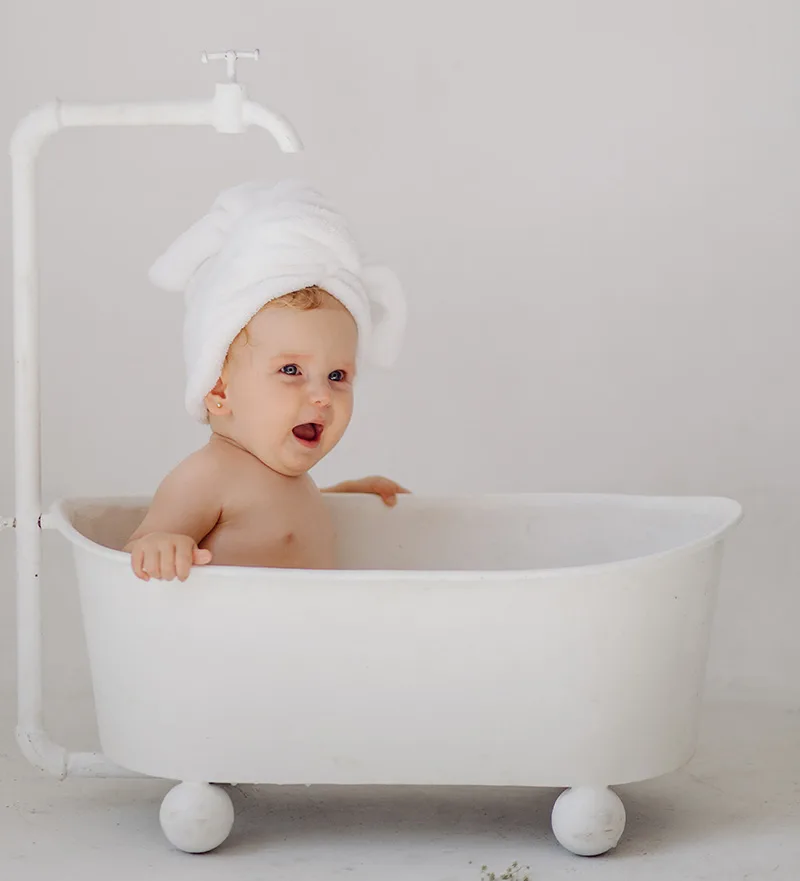
Bath time is already a comforting ritual. By transforming this familiar routine into a therapeutic treatment, we can address your child’s eczema without struggles, tears, and harsh chemicals.
For babies and toddlers, herbal baths offer unique advantages:
- Whole-body treatment: Children’s bodies are small so with an herbal bath we are able to treat the entire body at once.
- Gentle and safe: When herbs are correctly chosen for your child’s specific pattern, the bath is gentle, even on the most sensitive skin.
- Calming and soothing: The herbs help relax your child, reducing the stress and irritability that often accompany flare-ups.
Understanding atopic dermatitis through a TCM lens
Before we discuss treatment, I will briefly review how TCM understands atopic dermatitis.
In TCM, the skin is viewed as an external reflection of internal disharmony. The Yellow Emperor’s Inner Classic, the oldest known text of TCM, states that when Qi and Blood are out of balance, pathogens can take root and manifest on the skin.
I observe the skin to understand the underlying nature of the imbalance.
Common patterns of Atopic dermatitis in babies and young children include:
- Damp-Heat Pattern
This pattern is common in acute flare-ups. The skin appears red, crusty, and may have vesicles that ooze or weep. Itching is intense, and the patient may feel restless or irritable. - Blood-Heat Pattern With Wind
When Heat enters the Blood level, the skin becomes bright red and inflamed. Itching often worsens at night, and the patient may experience restlessness, thirst, and a rapid pulse.
There is no single “eczema herb.” There are herbs that clear Damp-Heat, herbs that cool Blood, and herbs that extinguish Wind. The herbs for each bath are chosen to specifically address the underlying imbalance. The art of the therapy lies in combining herbs according to the patient’s unique presentation.
What does the research say? Evidence from a 2024 meta-analysis
A 2024 systematic review and meta-analysis that included 39 randomized controlled trials totalling 4,500 patients in all—making it one of the most comprehensive reviews on this topic to date. (1)
This study showed that Chinese herbal baths were effective in reducing the severity and area of the eczema as well as reducing itch. The recurrence rate of eczema was also significantly lower in patients receiving herbal baths.
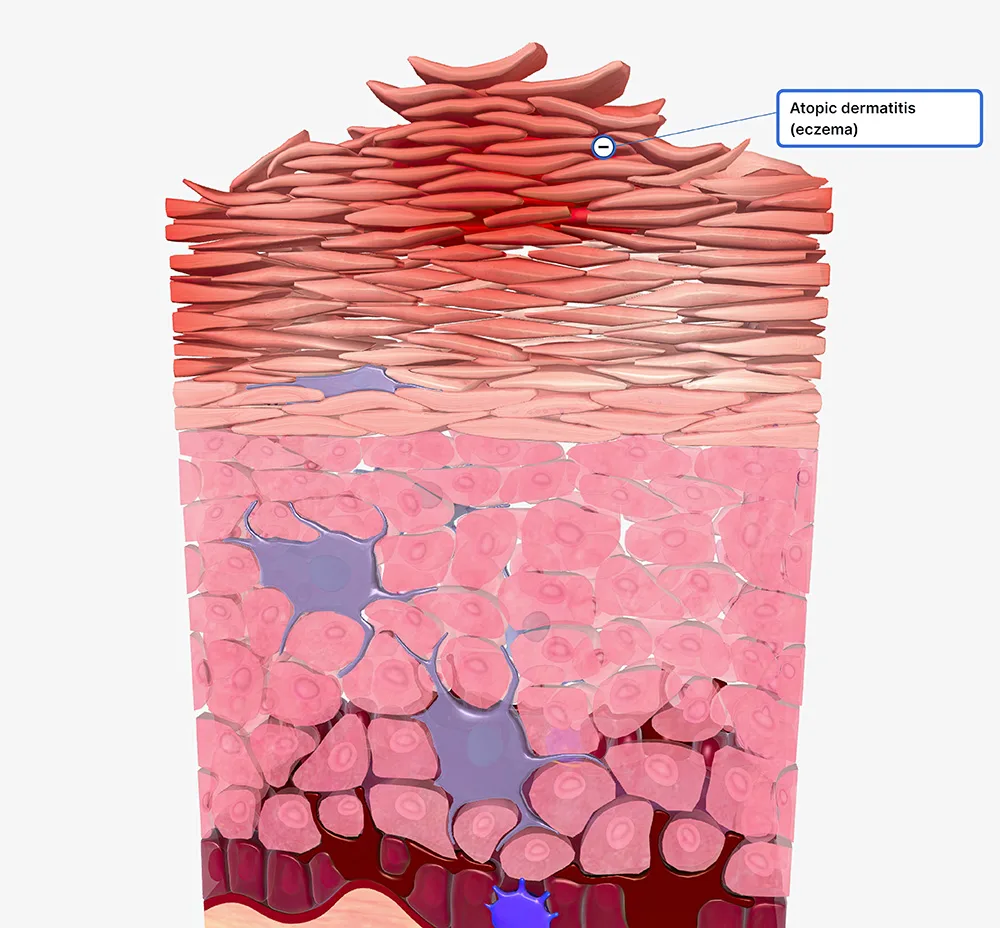
This suggests that herbal baths do more than temporarily suppress symptoms—they may help address the underlying imbalance, leading to longer periods of remission and reduced dependence on medications.
The research also showed that the baths can be used along with conventional therapies and actually enhanced their results.
A strong safety profile
The review analyzed adverse events across 12 trials and found that the herbal baths did not increase the risk of adverse events compared to control interventions.
This confirms what TCM practitioners have long observed- that herbal baths are exceptionally well-tolerated.
The science: immune modulation
The meta-analysis also explored the mechanisms underlying CHB’s effectiveness by analyzing immunological markers offering a window into how these herbs work at a molecular level.
Rebalancing the Th1/Th2 Axis: Eczema is typically characterized by a Th2-dominant immune response, with elevated cytokines like IL-4 driving inflammation. The research showed that CHB helped rebalance this axis by decreasing Th2-related cytokines (IL-4) while increasing Th1-related cytokines (IFN-γ).
Reducing Inflammatory Markers: A significant decrease in key inflammatory markers, including TNF-α, was also observed, further confirming the anti-inflammatory effects of CHB.
These findings provide scientific explanations for why the herbs do not only treat symptoms, but also function as they are immune modulators that help restore balance to a dysregulated system.
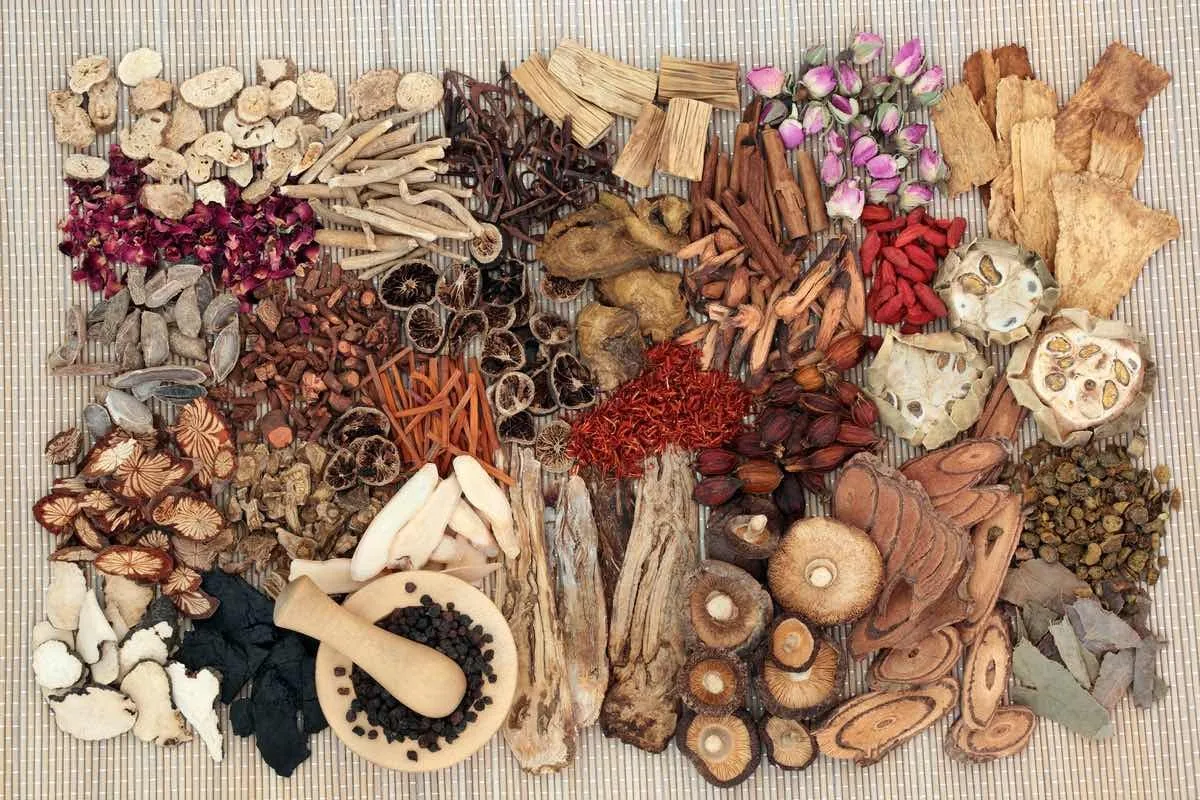
How to prepare your herbal bath
This method extracts the therapeutic benefit from the herbs and is the preferred approach in clinical practice.
- Place the dried herbs in a large non-reactive pot (stainless steel or enamel, not aluminum).
- Add 3 liters, a little less than one gallon, of water to the pot.
- Let the herbs soak in the water for at least 1 hour, but they can soak for up to 8 hours.
- In the same water, bring the herbal bath to a boil, then reduce heat and simmer gently while covered for 20-30 minutes.
- Strain the liquid through a fine mesh strainer or cheesecloth into a clean container. Retain the herbs in the cooking pot and the cooked liquid bath in a separate container.
- Add another 3L to the pot. Again bring it to a boil and simmer for 20-30 minutes. Strain the second batch of the bath out. Combine the bath liquid from the first cook and the second cook. The herbs will have absorbed some water, so you may wish to press them to extract the remaining liquid.
- Fill a baby bath with the herbal liquid. Add lukewarm water if needed.
- Soak for 10-15 minutes, gently splashing the herbal water over affected areas.
- After the bath, pat the skin gently dry, leaving it slightly damp. Apply a bland, fragrance-free moisturizer or a prescribed TCM ointment for hydration of the skin.
Guidelines for herbal baths
The temperature rule
Water temperature matters enormously in TCM external therapy. Water that is too hot can agitate Wind and Heat, potentially worsening itching and inflammation. Water that is too cold can constrict the pores and trap pathogens inside. The ideal temperature is lukewarm—comfortable to the touch but not hot, typically between 95–100°F (35–38°C).
The time limit
A therapeutic herbal bath should last 10–15 minutes maximum. This is sufficient time for the herbal constituents to be absorbed without causing maceration or irritation.
Patch testing
Before using a new herbal formula for the first time, perform a simple patch test. Apply a small amount of the cooled herbal decoction to a small area of unaffected skin, such as the inner arm. Wait 24 hours to check for any signs of irritation or allergic reaction. While true allergies to Chinese herbs are rare, they can occur, and this simple step provides peace of mind.
What to avoid
The following substances and practices can irritate sensitive skin or interfere with treatment.
- Essential Oils
The concentrated volatile compounds can sting, irritate, and even sensitize already inflamed skin. - Harsh Soaps and Bubble Baths
Conventional bath products often contain detergents, fragrances, and preservatives that strip the skin of its natural oils and disrupt the fragile skin barrier. During the course of herbal bath therapy, use only the herbal water for cleansing. No soap, no bubble bath, no bath bombs. - Vert Hot Water
Always use warm water to luke warm water. - Prolonged Soaking
The bath should be 10-15 minutes.
Acupressure after your child’s bath
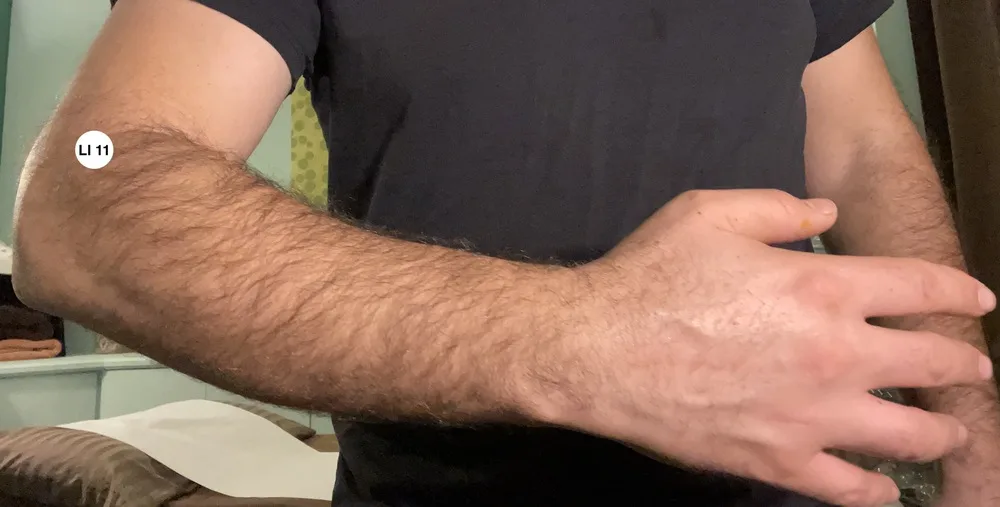
Acupressure has also been shown to help pediatric eczema. Acupressure offers parents a safe, needle-free way to extend care between visits. A small but promising study found that self‑administration of acupressure at a specific point—Qu Che (LI11)—significantly decreased itching in eczema patients. (2)
What Is acupressure?
Acupressure is the application of steady, gentle pressure or massage to specific acupuncture points. For children and infants, it is a wonderful option for helping to reduce itch and make the child more comfortable—because it can be done at home, without any special equipment. No needles. No fuss. Just your loving hands.
How to incorporate it into your child’s routine
Massaging this point with a bland, fragrance‑free oil, such as Jojoba or hemp seed, after a bath, as part of the daily routine, helps calm the child and create a greater sense of peace. The bath already soothes the skin; adding acupressure deepens the relaxation and reinforces the anti‑itch effect. Aim for 30–60 seconds on each arm, once or twice daily.
Finding LI11 on your child
To find the acupressure point, hold the arm slightly bent with the palm facing the body. Qu Che (LI11) is located on the top or thumb side of the elbow, right in the center of the elbow crease. Use the pad of your thumb or finger with gentle, circular pressure which is soothing.
You can also use the oil to massage other areas such as the back, arms, and legs.
Conclusion
Chinese herbal baths deliver herbs directly to the affected skin in order to clear pathogens, soothe inflammation, relieve itching, and nourish the skin.
Each patient is given an individualized diagnosis and herbal recommendations to address the underlying imbalances in order to seek to provide long term improvements.
References
- Chen Y, Ma X, Fei X, et al. A systematic review and meta-analysis of Chinese herbal bath for eczema: Evidence from 39 randomized controlled trials. Journal of Herbal Medicine. 2024;48:100959.
- Lee, K. C., Keyes, A., Hensley, J. R., Gordon, J. R., Kwasny, M. J., West, D. P., & Lio, P. A. (2012). Effectiveness of acupressure on pruritus and lichenification associated with atopic dermatitis: a pilot trial. Acupunct Med, 30(1), 8-11.
The information provided in this article is for educational purposes only and does not constitute medical advice. Always consult a licensed healthcare practitioner before using any herbal remedies, especially if you are pregnant, nursing, taking medication, or have a medical condition. Individual results may vary.