Living with back pain can change everything. I see it every week in my Upper West Side acupuncture practice—how that constant ache, tightness, or stiffness in the lower back makes it harder to sleep, sit comfortably, or enjoy the things you love. It’s no surprise that lower back pain is the leading cause of disability worldwide, affecting more than one-third of adults over the age of 65.
The good news is that acupuncture offers safe, natural, and lasting relief for back pain. A recent large-scale study confirmed what many of my patients already know: acupuncture can significantly reduce pain, improve mobility, and boost overall well-being—often more effectively than medications or invasive procedures.
This new research is especially important because it was designed to inform Medicare coverage. While Medicare technically covers acupuncture for low back pain, it only applies to treatments provided by doctors who are both MD and licensed acupuncturists, which are very few in number. This does not provide adequate access to patients. As a result, many patients who rely on Medicare are left without access to acupuncture, even though it’s proven to be highly effective and safe.
Some Medicare supplemental and secondary insurance plans do cover acupuncture with my office, even when Medicare itself does not—so it’s always worth giving us a call to check your individual plan.
This study makes a strong case for expanding coverage so more people can benefit from this natural, time-tested approach to pain relief. As a result, many people who could benefit from acupuncture don’t have access to it. This study makes a strong case for expanding coverage, helping more people find real, drug-free relief through acupuncture.
Table of Contents
Large-Scale Study Shows Acupuncture Provides Real Relief for Back Pain
This study explored the benefits of acupuncture by comparing three groups:
- One received standard acupuncture treatments
- Another received acupuncture plus electroacupuncture (a gentle electrical current applied through the needles)
- The third received only conventional medical care
Within just three months, both acupuncture groups reported:
- Lower pain levels
- Improved physical functioning
- Better sleep and reduced anxiety
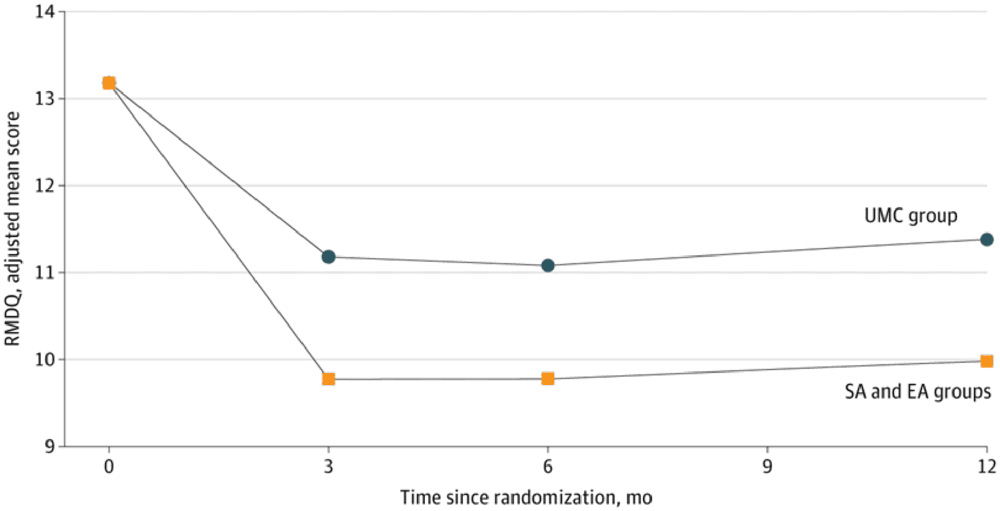
And the benefits weren’t just short-term. Participants continued to experience relief six months and even one year later, often after just eight to fifteen sessions. In contrast, the group receiving only standard medical care saw much less improvement. These results reinforce the growing understanding that acupuncture doesn’t just mask symptoms, it helps restore balance and support the body’s natural healing process.
Beyond its effectiveness for pain relief, one of the greatest advantages of acupuncture, especially for older adults, is that it provides that relief without adding medications. Many people already take several prescriptions daily, and introducing more can increase the risk of side effects and interactions. Acupuncture offers a safe drug-free alternative that improves quality of life without complicating your routine. In fact, the study found that acupuncture had fewer side effects overall, and those reported were mild and short-lived.
My Approach to Treating Back Pain
Back pain is one of the most common conditions I treat, and no two cases are the same. Some patients come in after years of stiffness from sitting at a computer; others after surgery, injury, or simply from feeling “stuck” in their bodies. In my practice, I focus on understanding not just where the pain is, but why it’s happening—and what’s preventing the body from healing.
During your first visit, I take a detailed look at how you move, which muscles are overworking or locked, and whether tension in the hips, legs, or spine is limiting circulation and mobility. I also palpate for trigger points—those tight, irritable knots within the muscle that can refer pain to other areas of the body. For example, gluteal trigger points can mimic sciatic pain, while tension in the quadratus lumborum or hamstrings can contribute to chronic lower back stiffness.
At the same time, I assess underlying patterns described in Chinese medicine—such as Qi and Blood stagnation, Kidney deficiency, or Cold and Damp accumulation—that may be fueling inflammation and slowing recovery.
Treatment is then tailored specifically for your presentation. I often combine acupuncture and electro-acupuncture to release deep muscle tension, deactivate trigger points, and reset pain pathways in the nervous system. Cupping therapy helps loosen tight fascia and restore natural movement in the spine, while gua sha is used for chronic stagnation or postural strain. For long-standing or post-surgical pain, I may incorporate herbal medicine, heat therapy, or LED light therapy to enhance circulation and support tissue repair.
Many patients find that not only does their pain improve, but they also sleep better, breathe more deeply, and feel more balanced overall. When acupuncture releases tension, improves blood flow, and calms the nervous system, the whole body begins to heal—not just the back. My goal is always long-term recovery, helping each patient move freely and feel at home in their body again.

How Acupuncture Works to Relieve Back Pain
Acupuncture relieves back pain through both neurological and physiological mechanisms, while also addressing the underlying imbalances described in Chinese medicine.
1. Reducing Pain Signaling in the Nervous System
When acupuncture needles are inserted into specific points, they activate sensory nerves that communicate with the spinal cord and brain. This stimulation triggers the release of natural pain-relieving chemicals—endorphins, enkephalins, and dynorphins—which help modulate how pain is perceived. Studies using functional MRI have shown that acupuncture downregulates activity in pain-related regions of the brain, such as the limbic system, and enhances signals in areas responsible for emotional regulation and relaxation.
2. Improving Circulation and Reducing Inflammation
From a biomedical perspective, acupuncture increases microcirculation in the muscles and fascia, which helps clear out inflammatory mediators and deliver oxygen and nutrients to the tissue. This process promotes healing of injured or overused muscles, tendons, and ligaments.
Research also shows acupuncture helps regulate inflammatory cytokines—such as TNF-α, IL-1β, and IL-6—and promotes the release of anti-inflammatory mediators like IL-10, creating a balanced healing environment around the affected area.
3. Resetting Muscle Tension and Trigger Points
Many types of back pain are linked to myofascial trigger points—tight, irritable knots within the muscles that restrict movement and refer pain to other areas. Acupuncture deactivates these points by normalizing muscle spindle activity and improving local blood flow. Electroacupuncture can enhance this effect, helping the nervous system “retrain” muscle groups that have become locked in chronic tension or spasm.
4. Calming the Stress Response
Chronic pain activates the sympathetic nervous system, keeping the body in a state of tension and stress. Acupuncture helps rebalance the autonomic nervous system, lowering stress hormones like cortisol and shifting the body into a more parasympathetic, restorative state. Patients often describe this as feeling “reset” or “lighter” after a session—an essential step in breaking the cycle of pain, tightness, and anxiety.
5. Supporting the Body’s Natural Balance
In Chinese medicine, back pain often arises from imbalances in the body such as Qi and Blood stagnation, Cold-Damp obstruction, or Kidney deficiency. Acupuncture restores the smooth flow of Qi and Blood through the channels, dispersing stagnation, warming Cold, and strengthening the body’s foundational energy. When the body’s internal balance is restored, pain resolves more naturally and recovery becomes lasting rather than temporary.
Feel Better, Get Acupuncture
The growing body of research—especially the large Medicare focused study—confirms what I’ve witnessed for years in my practice: acupuncture can make a profound difference for people living with back pain. It not only reduces pain but also helps restore movement, circulation, and balance throughout the body.
While Medicare’s current rules limit who can access acupuncture under their coverage, the results of this research make a strong case for change. Expanding coverage would allow more people—especially older adults—to benefit from safe, drug-free, and effective pain relief. In the meantime, some Medicare supplemental and secondary insurance plans do cover acupuncture in my office, and we’re always happy to help patients check their options.
Whether your back pain stems from muscle tension, trigger points, or deeper imbalances, acupuncture provides a powerful way to reset the body’s natural healing process. I tailor each treatment to address the root cause of pain and help you return to comfortable movement, restful sleep, and a stronger sense of well-being.
If you’re ready to experience how acupuncture can help relieve your back pain, schedule an appointment at Alban Acupuncture and begin your path toward lasting relief.