Hair loss affects nearly 80% of men and up to 50% of women at some point in their lives and can significantly impact confidence and emotional well-being. Traditional Chinese Medicine offers natural hair loss treatments that can help slow progression and support regrowth.(1) Using specialized acupuncture techniques, customized herbal formulas, topical hair serums, scalp massage, and dietary recommendations, TCM addresses hair loss as a whole-body condition rather than an isolated problem.
In Chinese medicine, healthy hair growth depends on strong Qi (energy) and the smooth circulation of Qi and Blood which results in a well-nourished scalp. When stress, hormonal changes, inflammation, poor digestion, or reduced circulation disrupt these systems, hair thinning and shedding often follow. Acupuncture for hair loss, along with herbal medicine and lifestyle support, works to restore balance and improve circulation—creating the internal conditions needed for healthy hair growth.
These methods support hair growth by working with the body’s natural healing mechanisms.
In this blog, we’ll explore many natural solutions for hair growth. Whether you’re experiencing early hair thinning or more advanced hair loss, these Traditional Chinese Medicine–based approaches offer practical, natural ways to support thicker, healthier hair while improving overall wellness.
Table of Contents
Understanding Hair Loss in Chinese Medicine
In Chinese medicine, hair health is dependent on the liver and kidney systems. The kidneys functions include growth and longevity. Meanwhile, the liver is responsible for blood circulation, ensuring that the blood delivers vital nutrients to every part of the body, including the scalp and hair follicles. Kidney Qi and Liver Blood deficiency can lead to the scalp and hair follicles not receiving enough nutrition, causing thinning, shedding, brittleness, and premature graying.
There are many factors that can contribute to liver, kidney, and blood deficiencies, including diet, stress, and hormonal imbalances. In order to address these root causes of hair loss, we create personalized treatments to target the root cause of the problem that include herbal formulas, scalp needling techniques like microneedling and the seven star needle, and essential oils in conjunction with scalp massages.
The Hair Growth Cycle
Hair growth occurs in a cycle. Understanding this cycle helps explain why natural and Traditional Chinese Medicine–based treatments take time—but also why they can be so effective.
The Three Phases of the Hair Growth Cycle
- Anagen (Growth Phase): This is the active growth phase, when the hair follicle is producing new hair. A healthy anagen phase can last several years. Hair thinning often occurs when follicles spend too little time in this phase or struggle to re-enter it.
- Catagen (Transition Phase): This is a short phase where hair growth slows and the follicle begins to shrink. It’s a normal part of the cycle, but stress, inflammation, or hormonal shifts can push follicles into this phase prematurely.
- Telogen (Resting and Shedding Phase): During telogen, the hair rests before eventually shedding. When too many hairs enter this phase at once—often due to stress, illness, hormonal changes, or nutrient deficiency—noticeable thinning or shedding can occur.
How Microneedling Stimulates Hair Growth Without Medications
One way to treat hair loss is with microneedling. This is a modern topical vibrating needle to stimulate collagen production as well as blood flow to the hair follicles. Increased blood flow helps the hair follicles and scalp receive better nutrition, making the follicles stronger and deeper, and the hair thicker and denser.
Microneedling is based on the classical seven star needle in acupuncture which has been used for hair growth for centuries.
Microneedling Research
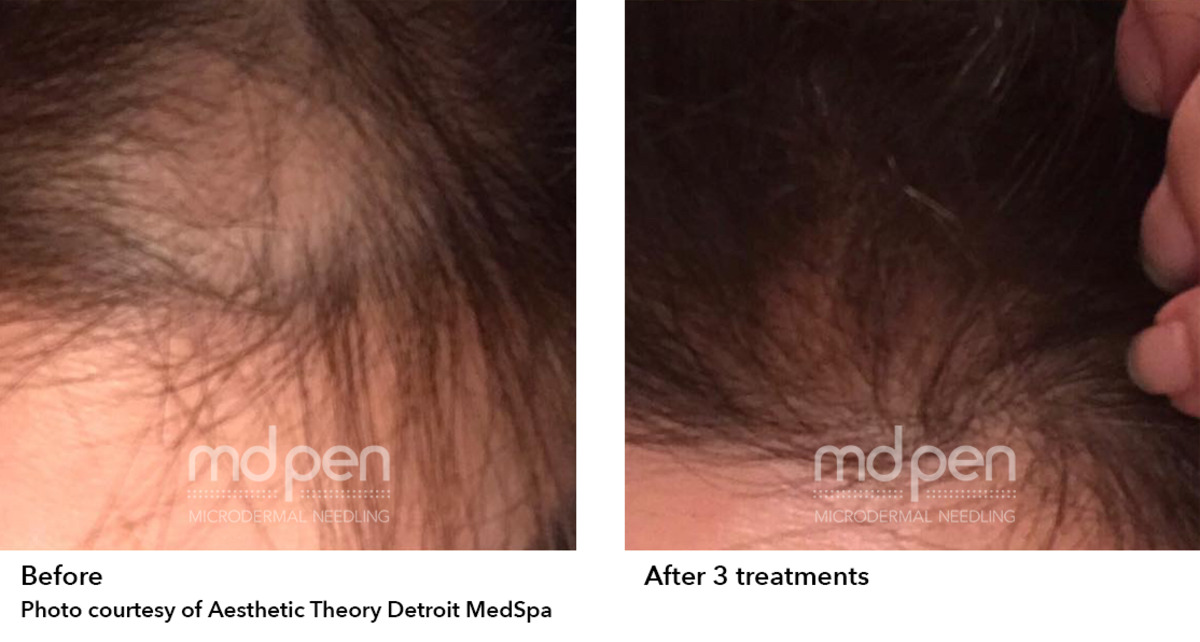
Research shows that microneedling can encourage hair regrowth by gently stimulating the scalp’s natural repair process. The tiny, controlled micro-injuries created during treatment signal the body to send more blood, oxygen, and nutrients to the area—much like what happens when the body heals a small cut. This increase in circulation wakes up dormant hair follicles and improves the environment needed for hair to grow. Microneedling also triggers the release of natural growth factors—chemical messengers that tell the hair follicles it’s time to repair, rebuild, and grow again. These growth signals help form new blood vessels, strengthen the hair root, and support the transition of hair follicles from the resting phase into the active growth phase.
In addition, microneedling has been shown to activate stem cells located in the base of the hair follicle. These stem cells play an essential role in producing new hair and repairing weakened follicles, which helps explain why people often notice both increased hair density and thicker hair strands over time. Importantly, studies show that these benefits can occur even when microneedling is used on its own, without medications like minoxidil, making it a perfect option for those looking for a drug-free, regenerative approach to hair thinning and androgenetic alopecia.
From a Traditional Chinese Medicine perspective, microneedling works by improving the circulation of Qi and Blood in the scalp, helping to nourish the hair follicles, release stagnation, and restore the internal balance needed for healthy, resilient hair growth.
Microneedling can also be paired with topical stem cell–derived serums to enhance scalp support during treatment. When applied topically, these serums do not add live stem cells to the body; instead, they contain growth factors and signaling compounds that help support the scalp’s natural repair processes. Microneedling enhances the absorption of the stem cells, allowing these topical ingredients to better interact with the hair follicle environment. Used together, microneedling and topical stem cell serums aim to support circulation, follicle health, and the transition of dormant follicles back into the active growth phase as part of a comprehensive, non-invasive hair restoration approach.
Combining therapies
Microneedling can be used with other therapies to improve results. We might also do full body acupuncture at the same time as microneedling to address the underlying causes of the hair loss, like kidney and liver deficiencies, hormonal imbalances, and stress.
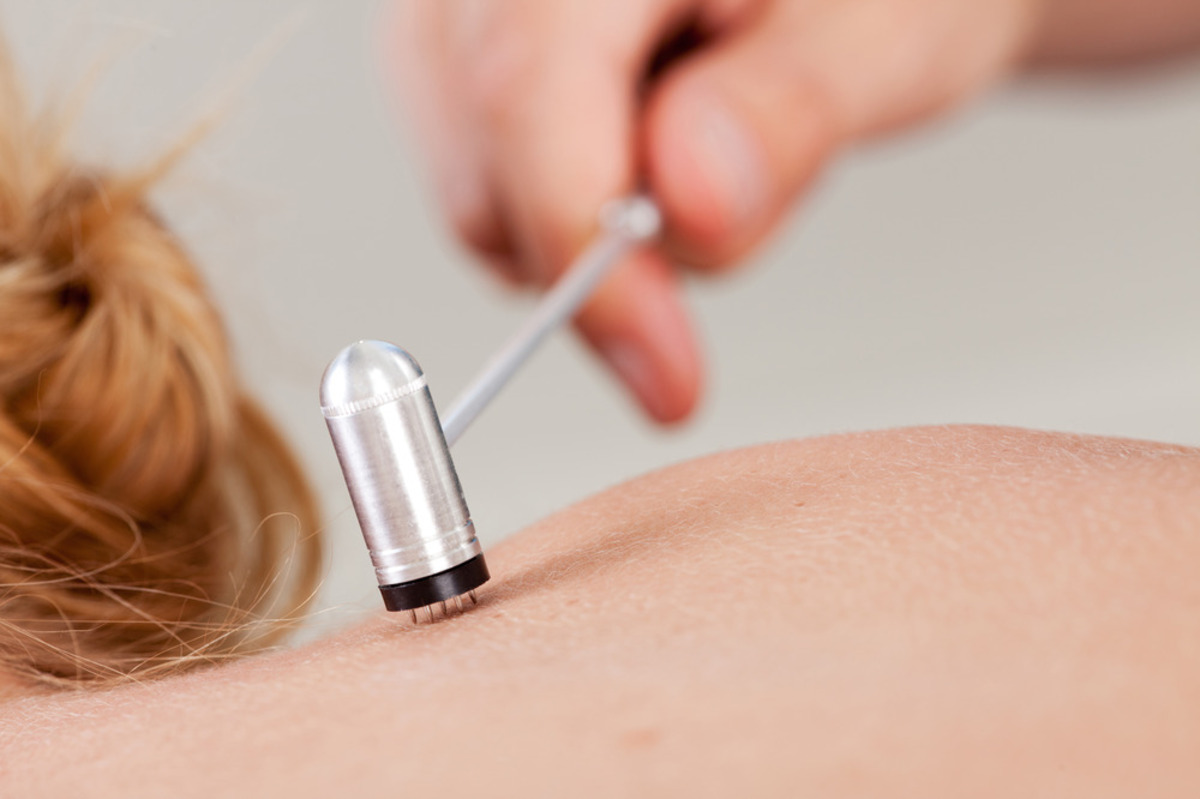
Seven Star Needling: The classical Microneedle
You can also do at-home microneedling with a non-mechanical 7 star needle. It will not stimulate the scalp as deeply as professional microneedling, but it is a good option for those who cannot commit to regular sessions. Like with professional microneedling, you can do the treatment together with minoxidil or another hair formula for better results.
Healthy Diet
Not many realize how important diet is to having healthy hair. You should try to eat foods that nourish blood and yang (the energy in our bodies that complements yin), and foods that are rich in Omega 3 fatty acids and vitamin B12. Some guidelines to keep in mind include:
Protein-Rich Foods: Hair is primarily made up of keratin, a type of protein. Ensuring your diet is rich in high-quality protein sources such as eggs, fish, lean meats, nuts, and seeds helps provide the building blocks needed for hair growth.
Essential Vitamins and Minerals: Nutrients like biotin, zinc, iron, and vitamin E are vital for healthy hair. Incorporating foods such as leafy greens, berries, sweet potatoes, and avocados can help nourish hair follicles.
Foods That Naturally Contain Biotin (Vitamin B7)
Biotin is a B-vitamin that supports hair, skin, and nail health and plays an important role in energy metabolism. Many people can get enough biotin through whole foods, especially when the diet is varied and nutrient-dense.
Animal-Based Sources
- Egg yolks (cooked)
- Liver and other organ meats
- Salmon
- Sardines
- Tuna
Tip: Raw egg whites can interfere with biotin absorption, so it’s best to consume eggs cooked
Plant-Based Sources
- Sunflower seeds
- Almonds
- Walnuts
- Peanuts
- Sweet potatoes
- Spinach
- Broccoli
- Mushrooms
From a Traditional Chinese Medicine perspective, many biotin-rich foods also help nourish Blood and support Liver and Kidney function.
Foods that nourish yang and blood:
- Bone broth
- Black sesame seeds
- Walnuts
- Gou Ji Berries (wolfberries)
- Red dates
- Dried longan
Foods rich in Omega 3 fatty acids:
- Seafood and fish oils – salmon, tuna, mackerel, sardines, herring, cod liver oil, oysters, anchovies
- Nuts and seeds – flaxseed, chia seeds, walnuts
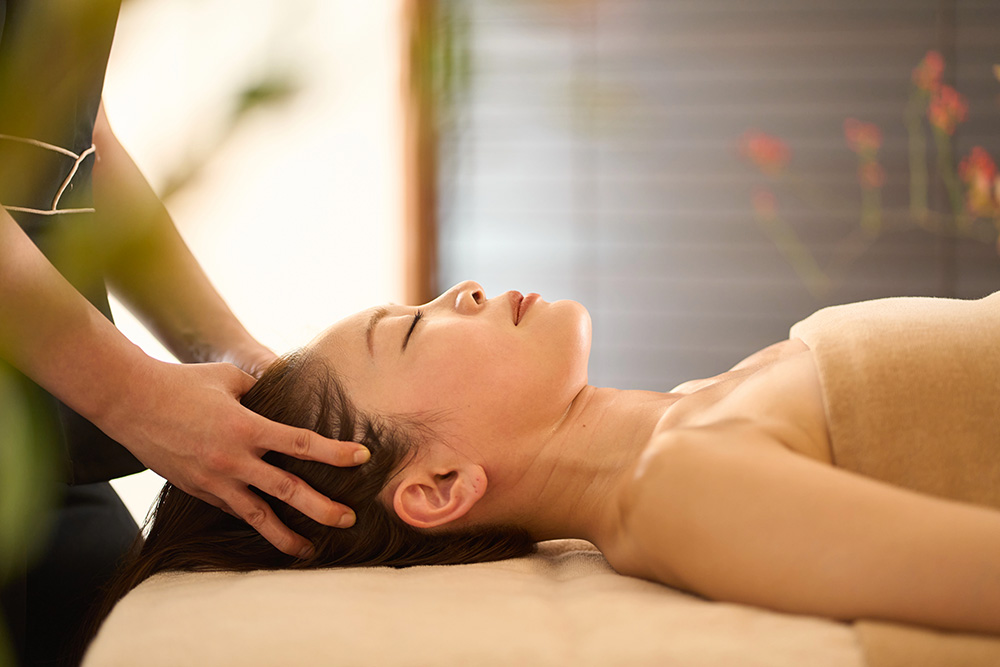
Scalp Massage
Regular scalp massages stimulate blood circulation to the hair follicles, promoting growth and strengthening hair at the root. You can use your fingertips in a back and forth method for 5-10 minutes daily or a few times a week.
Essential Oil Serum and Scalp Massage
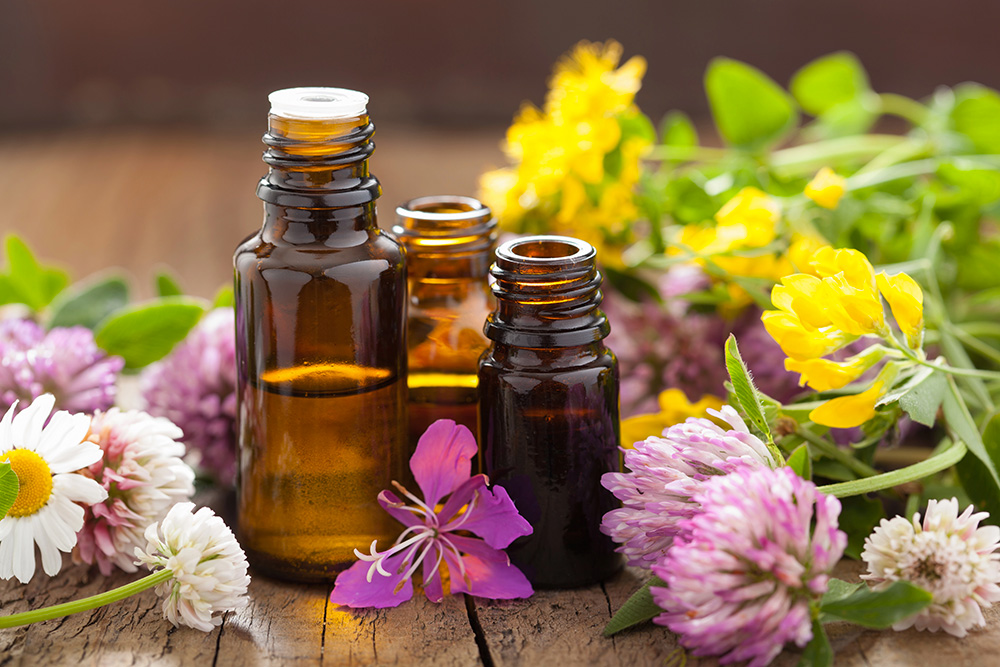
A few essential oils that have been shown to prevent hair loss and regrow hair. They are particularly effective when used in conjunction with a scalp massage, which helps the oils penetrate the skin and can improve blood flow to the scalp. The blend of the following essential oils into a hair serum has yielded significant hair regrowth for patients, with each oil providing different benefits:
- Thyme has anti-inflammatory compounds. It also increases blood flow to the hair follicles, much like minoxidil, the most common medication used for hair loss. When blood flow is increased, the hair follicles receive more nutrients and they enter the growth phase of their cycle.
- Lavender has been shown to increase the number of hair follicles and hair follicle depth, creating stronger, denser hair. It also has anti-fungal properties that can help with an infected scalp.
- Rosemary was found to be comparable with regular application of 2% minoxidil in a 2015 study on treating androgenetic alopecia (pattern hair loss). It is thought to reduce the ability of testosterone to convert to DHT, which is a sex hormone linked to hair loss. Like lavender, it also has anti-fungal properties that can help with problems like dandruff and certain infections.
- Cedarwood has anti-inflammatory and anti-microbial properties and it can treat an itchy scalp, dandruff, and scalp eczema.
For the hair loss formula we use in the office, we add a Chinese herb called Ce bai ye to these essential oils. This herb helps to induce the growth phase of resting hair follicles. It is also good for an itchy scalp.
Traditional Chinese Herbs for Hair Growth
In Traditional Chinese Medicine, hair loss is addressed by nourishing Kidneys, Liver, Qi, Blood, and Jing. Rather than focusing on a single pathway, Chinese herbal therapy works to restore balance, improve circulation, and support the body’s foundational reserves that sustain healthy hair over time.
A classic group of herbs often used in hair-supportive formulas includes Dang Gui (Angelica sinensis), Nu Zhen Zi (Ligustrum lucidum), Han Lian Cao (Eclipta prostrata), and Sheng Di Huang (Rehmannia glutinosa). Together, these herbs help nourish Blood and Essence, support Liver and Kidney function, and provide the deep constitutional support needed for hair strength, density, and pigmentation.
Dang Gui supports healthy Blood circulation and helps deliver nutrients to the scalp and hair follicles. Nu Zhen Zi and Han Lian Cao are commonly paired to nourish Liver and Kidney Yin and are often used when hair thinning is accompanied by dryness or premature graying. Sheng Di Huang further nourishes Yin and Blood and helps moderate internal heat that can interfere with healthy hair cycling.
In practice, these herbs are prescribed as part of a carefully balanced formula and are often paired with topical treatments, scalp massage, microneedling, or acupuncture to enhance local circulation and support long-term hair health.
Always consult a trained herbal practitioner before taking herbal medicine.
How Herbs and Therapies Target the Hair Growth Cycle
Traditional Chinese Medicine approaches hair loss by supporting the body through each phase of the hair growth cycle.
Herbal therapies help nourish Blood and Essence, which support longer, stronger anagen phases. Herbs such as Nu Zhen Zi, Han Lian Cao, Dang Gui, and Sheng Di Huang improve nourishment and circulation to the scalp, helping follicles stay active and resilient.
Qi-supporting herbs like Ren Shen (ginseng) or Huang Qi help improve energy, circulation, and stress resilience—key factors in preventing premature transition into catagen or telogen.
Layering Treatments for Optimal Results
When it comes to natural hair growth, there is no one-size-fits-all solution. As an acupuncturist, I have seen the best results when multiple natural methods are combined and layered to create a comprehensive, personalized plan. By integrating various treatments, we can target hair growth from different angles, ensuring that the body and scalp are well-nourished and balanced.
Conclusion
Hair growth is influenced by multiple factors, including nutrition, stress, and underlying health conditions. Addressing these factors holistically means that you are not just treating the symptoms but also promoting overall well-being. Whether you choose to begin with basic scalp massages or invest in advanced techniques like microneedling or light therapy, combining these treatments and tailoring them to your specific needs can yield the best results.
Remember, consistency and patience are essential. Natural methods take time, but they offer a sustainable, gentle approach that aligns with the body’s own healing processes. For optimal outcomes, consulting with a healthcare provider or acupuncturist can help you build a personalized plan that evolves as your hair growth journey progresses.
By embracing a holistic perspective and integrating these natural treatments, you can cultivate a healthier, fuller head of hair while supporting your overall health and balance.
References
- You Q, Li L, Ma X, Gao T, Xiong S, Yan Y, Fang H, Li F, Chen H, Liu Y. Meta-analysis on the efficacy and safety of traditional Chinese medicine as adjuvant therapy for refractory androgenetic alopecia. Evid Based Complement Alternat Med. 2019;2019:9274148. doi:10.1155/2019/9274148. PMID:31781285. PMCID:PMC6875197.
- Aust MC, Reimers K, Repenning C, et al. Percutaneous collagen induction therapy: an alternative treatment for scars, wrinkles, and skin laxity. Plast Reconstr Surg. 2008;121(4):1421–1429.
- Faghihi G, Nabavinejad S, Mokhtari F, et al. Microneedling in androgenetic alopecia; comparing efficacy of microneedling alone versus combined with topical minoxidil. Dermatol Ther. 2019;32(2):e12856.
- Ramot Y, Zlotogorski A, Friedman A. Microneedling for androgenetic alopecia: a systematic review. J Cosmet Dermatol. 2020;19(8):1844–1850.
- Gupta AK, Foley KA. Evidence for microneedling in androgenetic alopecia. Dermatol Surg. 2022;48(1):56–63.