

If you are living with Ehlers-Danlos Syndrome (EDS), you know that it affects far more than just your joints. Because EDS is a complex, multi-system condition, finding a treatment approach that addresses your wide range of symptoms—rather than just treating them in isolation—can be a challenge.
Traditional Chinese Medicine (TCM) offers a distinct advantage for EDS management. TCM looks at your health holistically. By viewing the body as an interconnected whole, acupuncture and TCM therapies can address the diverse and seemingly unrelated symptoms of EDS simultaneously.
In this article, I will tell you how acupuncture and Chinese medicine work to address EDS and share how we create personalized acupuncture treatments to relieve your pain and help you feel better.
What is Ehlers Danlos Syndrome?
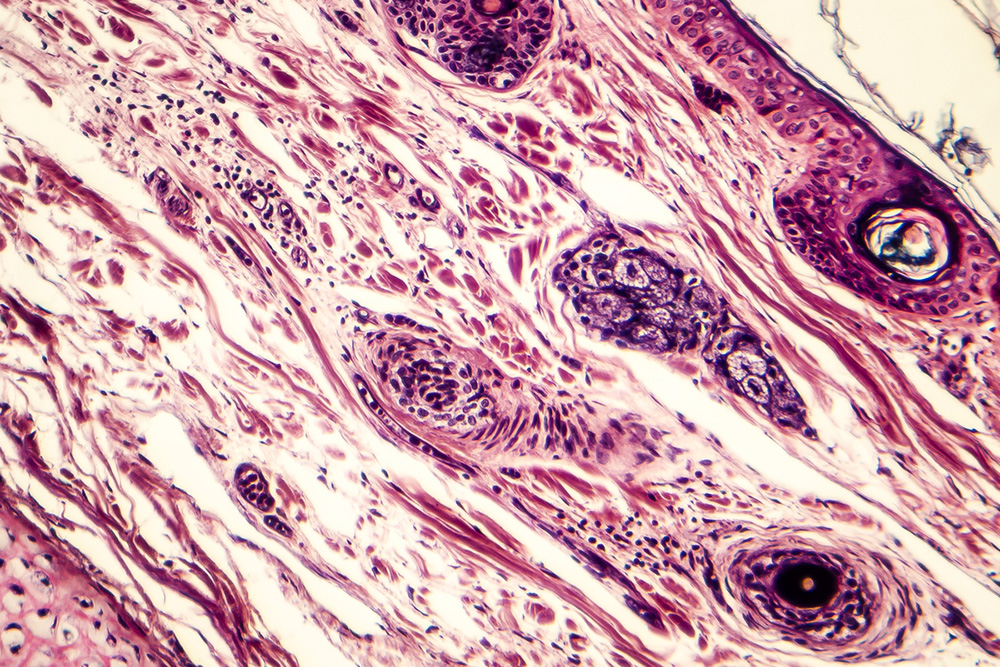
Ehlers Danlos Syndrome (EDS) is a connective tissue disorder that has a variety of types and presentations, the most common type being hypermobile EDS (hEDS). People with hEDS are more prone to joint dislocations, subluxations (partial dislocations), and sprains. hEDS is characterized by chronic pain, joint hypermobility (the ability for joints to move past the standard range of motion), and fatigue. Other symptoms that may occur in all types of EDS include stretchy, fragile skin, digestive problems, and dizziness when standing.
EDS is difficult to diagnose and treat because it affects many parts of the body and has a wide range of symptoms that, when investigated in isolation, may lead to misdiagnosis. It can be confused with chronic fatigue syndrome, thyroid issues, and fibromyalgia.
Ehlers-Danlos Syndrome (EDS) and Chinese Medicine
In TCM, Ehlers-Danlos Syndrome is caused by an underlying weakness of Qi (the body’s vital energy) and Blood. Since Qi and Blood are responsible for nourishing the tendons, muscles, and fascial network, a deficiency can directly impact connective tissue integrity and joint stability, contributing to a fragile constitutional state.
Treatment focuses on tonifying these fundamental substances. By improving nourishment and circulation to the muscles and tendons, while simultaneously regulating the nervous system, acupuncture helps the body better support its joints. This approach aims to calm pain, reduce the frequency of flare-ups, and support long-term resilience.
How Acupuncture Helps Manage EDS
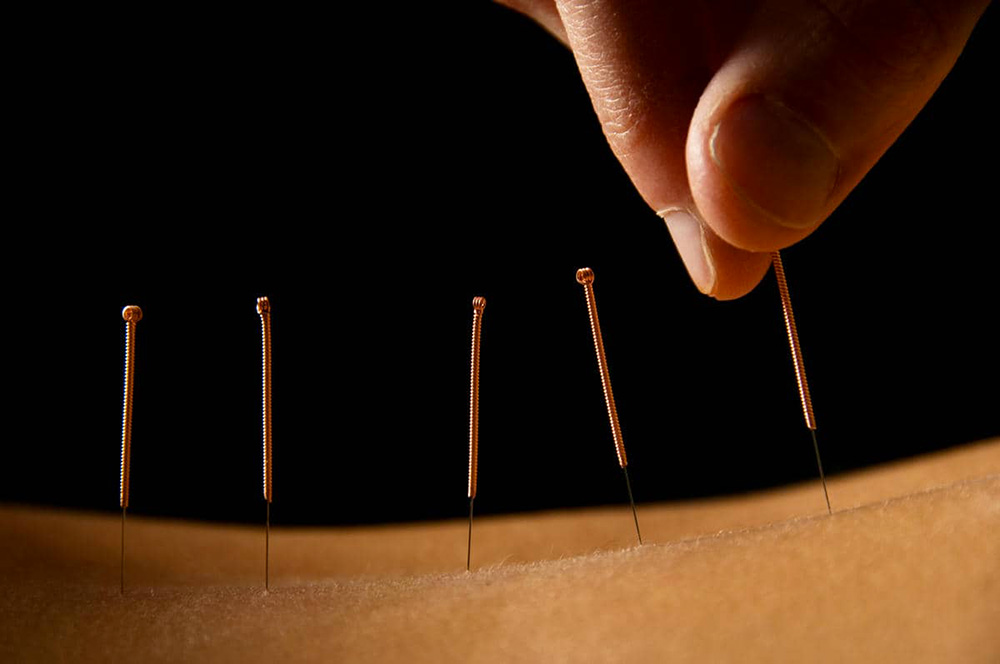
Acupuncture offers a multifaceted approach to managing Ehlers-Danlos Syndrome, addressing both the primary symptoms and the secondary complications that arise from living with a connective tissue disorder. Here is how treatment can help:
Chronic Pain
Acupuncture helps manage chronic pain by stimulating the body’s natural pain-relieving chemicals. Needle insertion triggers the release of endorphins, enkephalins, and dopamine—the body’s innate “feel-good” and pain-modulating neurotransmitters—helping to interrupt pain signals and provide relief without the side effects of medication. Neuroimaging studies have demonstrated that acupuncture modulates multiple brain regions involved in pain processing, including the somatosensory cortex, insula, and prefrontal cortex.(1)
Fatigue
By improving the flow of Qi (energy) throughout the body’s meridians, acupuncture can help combat the profound fatigue that often accompanies EDS. Patients frequently report increased energy levels and a greater sense of vitality following treatment as the body’s systems begin to function more efficiently.
Muscle Tightness and Joint Protection
It is a common misconception that hypermobility simply means a person is naturally flexible. In reality, hypermobile joints are often unstable. To compensate for this lack of inherent stability, the large, superficial muscles tense up and work overtime, attempting to do the job of the smaller, deep stabilizing muscles. This leads to chronic muscle tightness, pain, and exhaustion of the muscular system.
Acupuncture can help these overworked muscles relax, releasing chronic tension and reducing pain. Research indicates that acupuncture reduces muscle tension by decreasing sympathetic nervous system activity and increasing local microcirculation. (2)
Inflammation
Acupuncture has been shown to reduce inflammation by stimulating the parasympathetic nervous system (the “rest and digest” mode) and inhibiting oxidative stress at the cellular level. For EDS patients dealing with inflammatory flare-ups in the joints or soft tissues, this can mean reduced swelling and faster recovery. Studies demonstrate that acupuncture downregulates pro-inflammatory cytokines such as TNF-α, IL-1β, and IL-6 while promoting anti-inflammatory pathways.(3)
Insomnia, Anxiety, and Depression
Living with a chronic, unpredictable condition takes a toll on mental health. Acupuncture calms the nervous system and helps regulate the body’s stress response, which is often a root cause of insomnia and anxiety. By releasing endorphins and promoting a state of deep relaxation, acupuncture can help ease anxiety, lift mood, and support more restful, restorative sleep. Research has shown that acupuncture significantly improved both anxiety and sleep quality.(4)
Connective Tissue
Perhaps one of the most promising mechanisms of acupuncture lies in its direct interaction with the body’s fascia and connective tissue. Research shows that acupuncture stimulates the fascia (connective tissue) in the area, creating a mechanical pull on the surrounding connective tissue, promoting cellular repair.(5) I believe this direct influence on connective tissue is one of the primary ways acupuncture heals the body—and it may hold unique potential for supporting and improving the quality of connective tissue in individuals living with EDS.

Herbal Treatment of EDS
In addition to acupuncture, Chinese herbal medicine offers a powerful tool for managing the multi-system symptoms of Ehlers-Danlos Syndrome. Because EDS affects connective tissue throughout the body, it frequently co-occurs with conditions like Irritable Bowel Syndrome (IBS), Postural Orthostatic Tachycardia Syndrome (POTS), and mood disorders. Herbal medicine allows us to address these seemingly unrelated issues simultaneously by targeting the underlying imbalances that contribute to them.
- For Joint Stability and Connective Tissue: Kidney-tonifying herbs are used to strengthen bone density, support collagen production, and enhance overall structural integrity, addressing the root weakness in connective tissue.
- For Digestive Health: Spleen-supporting formulas help resolve the gastrointestinal issues common in EDS, such as IBS, bloating, and poor nutrient absorption, by improving the body’s ability to transform and transport food and fluids.
- For Cardiovascular Regulation: Blood-building and heart-calming herbs help regulate heart rate and reduce dizziness, offering support for co-occurring conditions like POTS and orthostatic intolerance.
- For Sleep and Emotional Well-being: Shen-calming herbs quiet the mind, improve sleep quality, and reduce anxiety, helping patients cope with the mental and emotional toll of living with a chronic condition.
Personalized Treatment
One of the most important things to understand about Ehlers-Danlos Syndrome is that it rarely looks the same in two people. Because EDS affects the body so broadly, your experience of the condition—and your goals for treatment—will be entirely your own.
In fact, many patients who have hypermobility or Ehlers-Danlos syndrome do not initially come to us with an EDS diagnosis. Instead, they seek relief for specific symptoms that have been interfering with their daily lives: chronic neck or back pain, frequent injuries, persistent headaches, overwhelming fatigue, dizziness upon standing, digestive issues that disrupt meals, or difficulty recovering from exercise.
Patients also experience co-occurring conditions such as POTS (postural orthostatic tachycardia syndrome), lightheadedness, dry eyes, poor sleep, and heightened nervous system sensitivity.
This is where acupuncture and Chinese medicine shine. Rather than treating each symptom in isolation, we look at the whole person. Whether your primary concern is joint pain, digestive distress, or energy crashes, your treatment plan is tailored to address your specific presentation—helping multiple systems find balance at once.

Treatment Course for Ehlers-Danlos Syndrome
Because EDS is a lifelong condition, treatment is structured in phases that evolve with your needs.
Your First Visit begins with a thorough consultation to review your medical history and understand how EDS affects your daily life.
Early treatment typically involves weekly or twice-weekly visits to calm active pain flares, support circulation, and regulate the nervous system.
As you progress, the focus shifts to reducing the frequency and intensity of flare-ups, improving your tolerance to movement and daily activity, and supporting more efficient recovery after exercise or physical therapy.
Over time, care transitions to a maintenance phase focused on building resilience, preventing flare-ups, and helping you gain greater confidence and ease.
Feel Better, Get Acupuncture
Living with Ehlers-Danlos Syndrome can be challenging—especially when symptoms fluctuate unpredictably or conventional approaches feel limiting. All too often, the medical system operates in silos, referring patients from one specialist to the next, each addressing only a piece of the puzzle while the bigger picture remains unseen.
Acupuncture and Chinese medicine offer a different way. Because we understand the body as an interconnected whole, we can address the full spectrum of your symptoms—from joint pain and fatigue to digestive issues and nervous system dysregulation—all within a single, individualized treatment plan.
Many patients find that this approach helps them move more comfortably, recover more easily from daily activities, and feel more confident in their bodies. Acupuncture offers a gentle, consistent source of support, helping your body find stability and relief.
Frequently Asked Questions
Yes. Acupuncture works by improving energy flow, supporting quality sleep, and regulating the stress response. Many patients report more consistent energy levels with regular treatment.
Yes. Acupuncture is safe for people with hypermobility. If skin is fragile or bruising is a concern, techniques are adjusted accordingly.
Typically patients start to notice improvement within 3-5 visits. A normal treatment course is 8-12 visits and after that patients may choose to do maintenance.
Acupuncture and Traditional Chinese Medicine (TCM) can help manage symptoms and improve quality of life. Treatment focuses on reducing pain and inflammation, regulating the nervous system, reducing fatigue, and supporting muscle recovery. Acupuncture for EDS works especially well when combined with physical therapy/strength training.
References:
- Huang W, Pach D, Napadow V, et al. Characterizing acupuncture stimuli using brain imaging with FMRI—a systematic review and meta-analysis of the literature. PLoS One. 2012;7(4):e32960. doi:10.1371/journal.pone.0032960
- Bäcker M, Hammes MG, Valet M, et al. Different modes of manual acupuncture stimulation differentially modulate cerebral blood flow velocity, arterial blood pressure and heart rate in human subjects. Neurosci Lett. 2002;333(3):203-206. doi:10.1016/s0304-3940(02)01023-7
- Zijlstra FJ, van den Berg-de Lange I, Huygen FJ, Klein J. Anti-inflammatory actions of acupuncture. Mediators Inflamm. 2003;12(2):59-69. doi:10.1080/0962935031000114943
- Amorim D, Amado J, Brito I, et al. Acupuncture and electroacupuncture for anxiety disorders: A systematic review of the clinical research. Complement Ther Clin Pract. 2018;31:31-37. doi:10.1016/j.ctcp.2018.01.008
- Langevin HM, Churchill DL, Cipolla MJ. Mechanical signaling through connective tissue: a mechanism for the therapeutic effect of acupuncture. FASEB J. 2001;15(12):2275-2282. doi:10.1096/fj.01-0015hyp