

Shoulder pain can make even simple things, reaching for a shelf, sleeping on your side, or lifting your bag, feel impossible. Whether it’s from an old injury, repetitive strain, or something that crept up with no clear cause, acupuncture offers a natural way to treat shoulder pain at its root rather than just masking the symptom.
Acupuncture treats shoulder pain by stimulating the body to release its own natural painkillers, reduce inflammation, and improve circulation. In my practice, I combine acupuncture with electroacupuncture, tui na, and cupping in a treatment plan built around each patient’s specific type of shoulder pain, whether that’s a rotator cuff injury, frozen shoulder, tendinitis, or muscular tension from posture and stress.
Below, I’ll walk through how acupuncture works for shoulder pain, what a treatment course looks like, and the research behind it.

Benefits of acupuncture for shoulder pain include:
- Pain Relief
- Increased Range of Motion
- Reduced Inflammation
- Reduce medication
- Reduction of Stress and Anxiety Reduction
- Improved Sleep Quality
- Long term improvements
Common Causes of Shoulder Pain
There are many causes of shoulder pain which acupuncture can treat. Below is an overview of the most common causes I see in my practice. If you already know your diagnosis, click through for a more in-depth look at how I treat that specific condition.
Rotator Cuff Injuries
A leading cause of shoulder pain, rotator cuff injuries often result from repetitive motions, lifting heavy objects, or sudden twisting movements. See how I treat rotator cuff injuries specifically
Frozen Shoulder
Also known as adhesive capsulitis, frozen shoulder involves the gradual stiffening of the shoulder joint. The condition can be incredibly painful, severely limiting range of motion. Learn more about frozen shoulder treatment
Osteoarthritis
This is a degenerative condition that affects the cartilage in your joints. As the cartilage wears down, bones begin to rub against each other, causing pain and inflammation.
Tendinitis
Tendinitis occurs when the tendons become inflamed or irritated. This condition results from repetitive movements or sudden injury. See how I treat tendonitis specifically
Bursitis
The bursa is a small fluid-filled sac that reduces friction between bones and muscles. Inflammation of the bursa, known as bursitis, can result in significant pain and discomfort.
Muscular Tension
Muscular tension is another common cause of shoulder pain, often resulting from poor posture, repetitive strain, or emotional stress. When muscles remain contracted for extended periods, it can lead to stiffness, reduced range of motion, and localized pain.
Trigger points are often involved with shoulder pain. These are hyper-reactive sites within muscles that can cause pain both at the site and elsewhere in the body, a phenomenon known as referred pain. Trigger points can form in any of the muscles around the shoulder and upper back, including the trapezius, deltoid, or rotator cuff muscles. These trigger points can be particularly sensitive and may cause a sharp, stabbing, or aching sensation when touched or when the muscle is in use.
Acupuncture can be used alongside physical therapy for all of these conditions.

Acupuncture: Stimulating the Body Self Healing
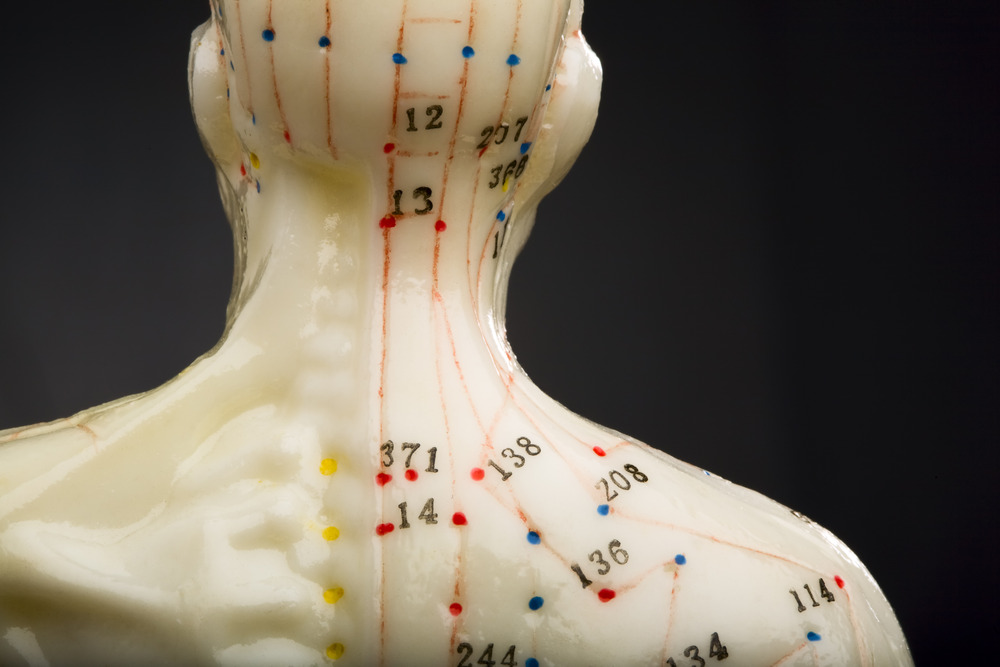
When it comes to addressing shoulder pain, acupuncture targets both the symptoms and the underlying cause. Rather than just masking the pain, acupuncture helps to reset the body and promote its natural healing abilities to bring about long term improvements.
Within acupuncture theory, the human body is interconnected through a network of channels where Qi, the body’s energy, and blood circulate. When you experience an injury, such as shoulder pain, the flow of Qi and blood can slow down and develop into stagnation.
Acupuncture breaks these blockages, enhancing blood and Qi circulation specifically in the affected shoulder muscles. Not only does this targeted treatment help alleviate shoulder pain, but the overall improvement in Qi circulation also contributes to enhanced health and general physical well-being.
Modern research shows that acupuncture works by stimulating the body’s nervous system to release natural pain-relieving chemicals, improves blood circulation, reduces muscle tension, and stimulates the release of anti-inflammatory substances.
Acupuncture doesn’t just focus on the symptom but also addresses the whole person to improve wellbeing. This can lead to better digestion, improved mood, and a stronger immune system, among other benefits.
Cupping, Gua Sha, and Tui Na for Enhanced Pain Relief
I often combine acupuncture with cupping, gua sha, or tui na to enhance the therapeutic effect.
Cupping uses suction from glass or plastic cups to lift the skin and underlying muscle, improving blood flow, releasing muscle tension, and helping the body clear inflammation. Cupping is very helpful for soreness and tension from exercise or injury.
Gua Sha is a scraping technique,I like to use a porcelain soup spoon, which improves circulation and helps release fascial tension and scar tissue. It leaves a bruise-like mark that fades within about a week. I reach for gua sha when patients come in after many other therapies have failed because it helps to smooth out knots in the muscles and connective tissue.
Tui Na is a therapeutic massage that increases circulation and reduces muscle tension. I trained under a master tui na doctor, Dr. Xiao, in China, and often integrate it after the acupuncture session for faster results.
Treatment Course
During your first acupuncture session, I perform a comprehensive initial consultation and physical exam. We discuss your medical history, symptoms, and any other treatments you’ve tried. Based on this information, I create a customized treatment plan to target your specific form of shoulder pain.
My treatment will include acupuncture or electroacupuncture with manual therapies such as cupping, gua sha, or tui na. The combination of therapies helps reduce pain and inflammation and increase function more effectively and rapidly.
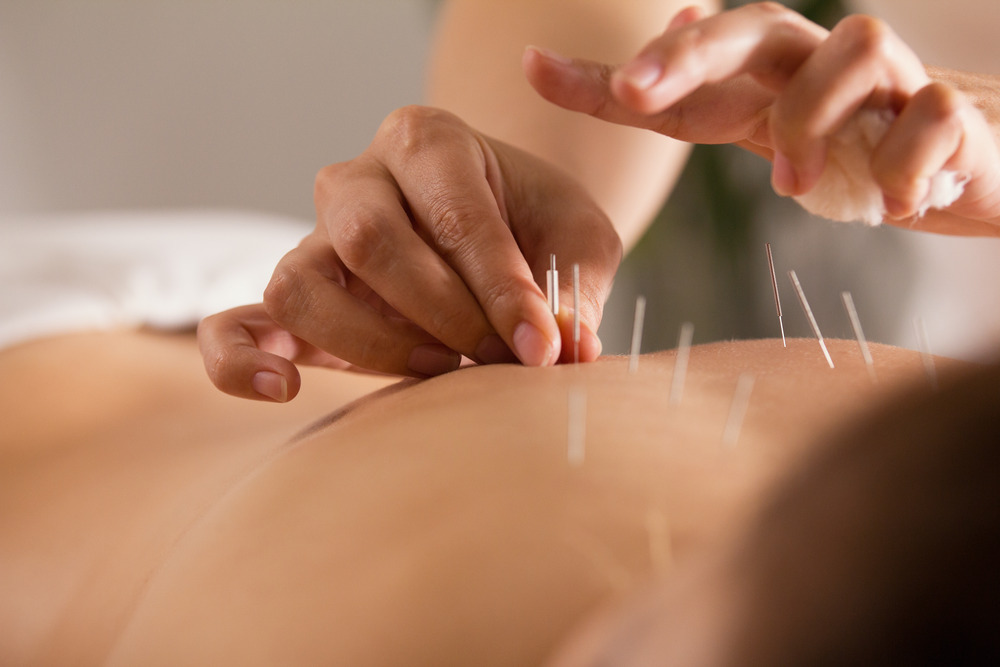
During the treatment you’ll lie down on a massage table, either face-down or on your side, depending on which is most comfortable for you. The needles are generally left in place for about 20 to 30 minutes. During this time, you may feel warmth or tingling around the area, a sign that the body is being stimulated correctly to heal. Patients often feel very relaxed from the acupuncture treatment.
For acute conditions you may see significant improvement after just a few treatments, around 2-4 visits. Chronic conditions might require about 8-12 visits.
Get Acupuncture, Feel Better
Shoulder pain can be a debilitating condition that impacts every facet of your life, from the quality of your sleep to your ability to perform simple daily tasks. Acupuncture stimulates the body’s natural healing processes for long term reduction in pain and increased function. Get acupuncture and get back to doing what you love.
To schedule your appointment, please call us at 212-319-5757 or schedule your appointment online.

Feedback From our clients…
“I came to Alban Acupuncture a year ago. My major concern was chronic pain in my neck, back and shoulder. I tried physical therapy, chiropractor, massage and acupuncture without lasting results. After a few months of being treated by Joseph, my condition significantly improved. Presently I’m coming once a month to maintain a good shape. I think Joseph’s method is unique because he combines acupuncture with Chinese massage. Joseph is also helping me with many other problems like palpitations, low energy, stress, seasonal allergies, old knee injury, ankle sprain… Joseph gives a lot of attention to his patients. His approach is holistic. In the beginning of my visit I tell Joe my current complains and he is addressing them in the same session with my chronic neck/back problems. Overall experience from my visits ( I commute from Staten Island to get there!) is so positive that I’d definitely recommend Alban Acupuncture to my friends.”
~G.M., Staten Island