

Men often face urinary, sexual, and hot-flash side effects after prostate surgery, and acupuncture may help reduce them.
Prostate surgery is a highly successful treatment for prostate cancer, but it often comes with side effects that can significantly affect quality of life, including frequent urination, nocturia, urinary leakage, and sexual dysfunction.
Dr. Joseph Alban has more than 20 years of clinical experience treating these post-surgical symptoms and has completed Memorial Sloan Kettering’s IMPACT training course on acupuncture in cancer care. He has also published peer-reviewed clinical research on acupuncture for postprostatectomy urinary symptoms, including a published case study on this exact topic. Treatment is individualized and designed to help men rebuild quality of life during prostate cancer recovery.
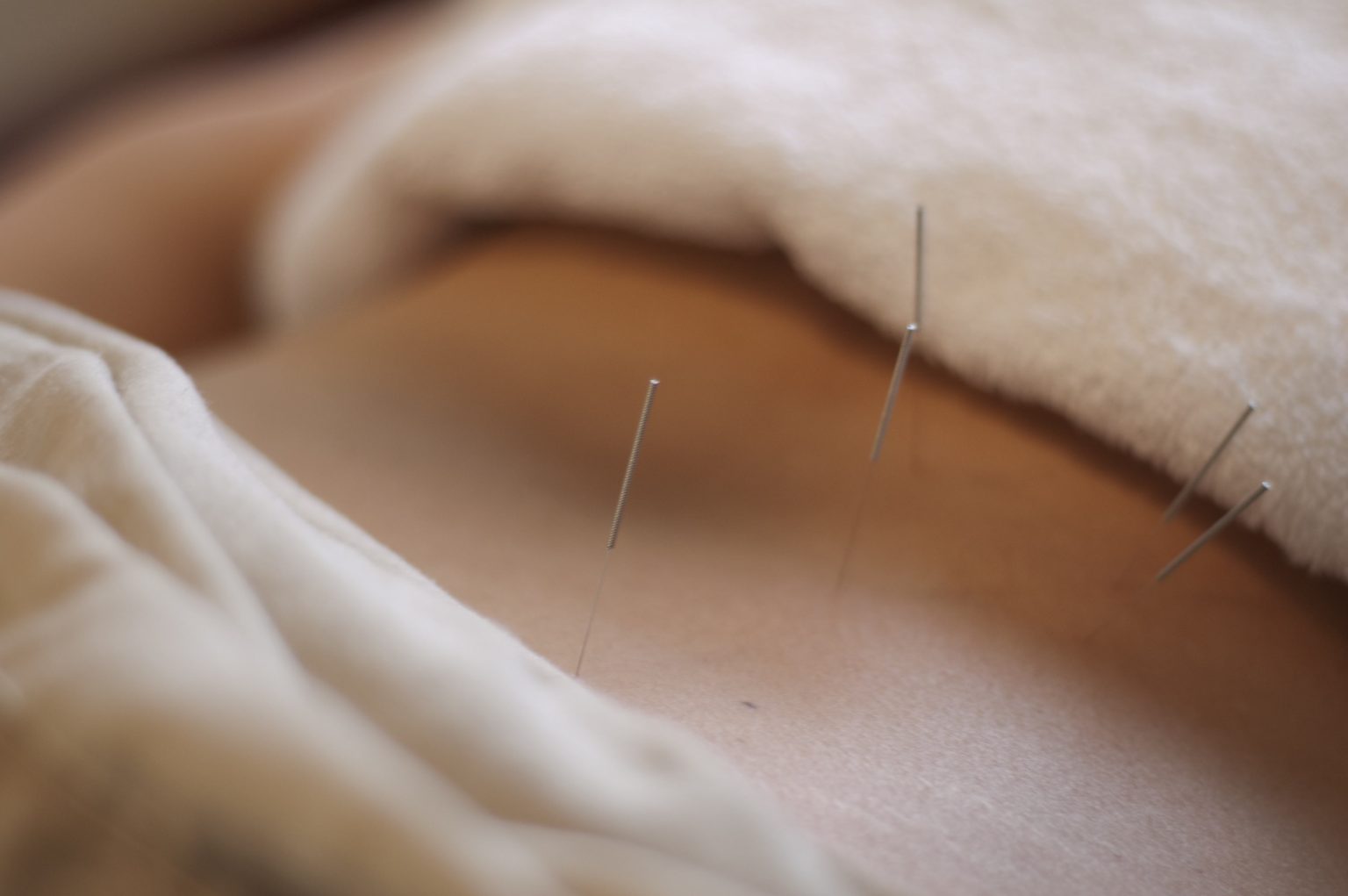
Acupuncture Improves Frequent Urination after Prostate Surgery
Frequent urination, urinary leakage, and nocturia are among the most common and disruptive side effects following prostate surgery. These symptoms occur because the surgery affects the nerves and muscles involved in bladder control, and can take months or longer to resolve on their own.
Acupuncture offers a natural approach to support bladder recovery after prostatectomy. From a Traditional Chinese Medicine perspective, postprostatectomy urinary symptoms are related to a Kidney and Bladder imbalance compounded by Qi and Blood stagnation from the surgery itself. Treatment typically focuses on tonifying and warming the Kidney, supporting Bladder function, and moving stagnation in the pelvic region — often using points along the lower back, sacrum, and lower abdomen, along with moxibustion to warm and support these systems.
Case Study
To illustrate how acupuncture can help, Dr. Alban published a case study in Medical Acupuncture documenting treatment of a 62-year-old man following radical prostatectomy for early-stage prostate cancer.(1)
The Case: The patient had a five-year history of overactive bladder related to type 2 diabetes. After his prostatectomy, his frequent urination and nocturia worsened significantly. He needed to urinate every hour, day and night, occasionally experienced urinary leakage, and woke 5 to 7 times each night, leaving him with only about five hours of sleep and resulting in chronic fatigue. He was also being treated for neck, shoulder, and back pain, and reported symptoms consistent with early diabetic neuropathy.
The TCM Diagnosis: The patient’s pattern was Kidney Vacuity (both Yin and Yang) with Qi and Blood Stagnation. When Kidney Yin is insufficient, the bladder cannot adequately hold urine; when Kidney Yang is insufficient, the bladder struggles to control the opening and closing of the urethra. The prostatectomy introduced Qi and Blood Stagnation on top of this existing vacuity, a common pattern following surgery.
The Treatment: The patient was treated twice weekly for 10 sessions. Front-body points included CV 3, CV 4, and KI 12 with pole moxibustion, along with LR 5 and SP 6. Back points included GV 2, GV 3, GV 4, UB 23, UB 32, and UB 33 with pole moxibustion, as well as UB 57. The goal was to tonify and warm the Kidney, open the channels, and move stagnant Qi and Blood, with moxibustion playing a key role in warming the lower abdomen and lower back.
The Results: After 10 treatments, the patient’s nocturia dropped from 5 to 7 episodes per night to just 0 to 2 — the first time in five years he slept through the night without needing to urinate. He was able to hold his bladder for 2 to 3 hours, and reported improved energy and mood. Neck and shoulder pain also improved, with no adverse effects reported.
For more on the latest clinical research in this area, see our review of a recent JAMA Oncology study on acupuncture for nocturia in prostate cancer survivors, which reinforces these findings in a larger randomized trial.
Acupuncture for Hot Flashes Post Prostate Surgery
Hot flashes are another common side effect of prostate cancer treatment which includes hormone therapy. Research shows that acupuncture is effective at relieving hot flashes in men after prostate surgery, with a 68.4% improvement after just two weeks of treatment and an 89.2% improvement by six weeks.(2)
Follow-up at eight months found the improvement held: men maintained an 80.3% reduction in hot flashes long after treatment ended, suggesting the benefits of acupuncture extend well beyond the treatment course itself.
A Broader Approach to Cancer Recovery
Urinary symptoms, sexual dysfunction, and hot flashes are just some of the challenges men face after prostate cancer treatment. As part of Dr. Alban’s training through Memorial Sloan Kettering in acupuncture for cancer care, treatment plans consider the full picture of recovery, not just isolated symptoms. Learn more about acupuncture for cancer care support.
Feel Better After Prostate Surgery
Recovering from prostate surgery doesn’t mean you have to simply wait out the side effects. Acupuncture offers a safe, drug-free way to support your body through frequent urination, nocturia, and hot flashes as you rebuild your quality of life.
If you’re navigating these challenges after prostate surgery, we welcome the opportunity to discuss your situation and develop a personalized treatment plan.
Schedule an appointment or call 212.319.5757 to get started.
References:
References
- Alban J. Acupuncture Treatment of Frequent Urination and Nocturia Postprostatectomy. Med Acupunct. 2008;20(2):119-121. doi:10.1089/acu.2008.0616.
- Ashamalla H, Jiang ML, Guirguis A, Peluso F, Ashamalla M. Acupuncture for the alleviation of hot flashes in men treated with androgen ablation therapy. Int J Radiat Oncol Biol Phys. 2011;79(5):1358-1363. doi:10.1016/j.ijrobp.2009.12.038.