

Acupuncture for bloating can be a transformative approach for people who have been dealing with persistent abdominal fullness, pressure, gas, or distension without finding a lasting solution.
Ask around a New York office on any given afternoon and you’ll find no shortage of people quietly bemoaning the “basketball in their belly.” Bloating is one of the most common digestive complaints I hear in the clinic, yet acupuncture is not usually the first thing patients have tried. Many have already cut out gluten, dairy, or other foods, given up favorite meals one by one, tried a probiotic, or seen a doctor who ran the standard tests and found nothing concerning. And yet the bloating is still there, day after day, no matter what they do.
That’s often the most frustrating part: the feeling that you’ve done everything right, but nothing has really changed.
Traditional Chinese Medicine understands bloating through understanding the whole picture of your health. The goal is not simply to make you feel better for a few hours. It is to understand the pattern behind your symptoms and use acupuncture and herbal medicine to support healthier digestion over time.
What causes bloating?
Bloating is a symptom, not a diagnosis. Two people can have almost identical complaints—“My stomach is always bloated”—and have very different reasons for why it is happening.
Sometimes bloating can occur with conditions such as irritable bowel syndrome (IBS), functional dyspepsia, or chronic constipation. Some people notice that particular foods trigger their symptoms, while others experience bloating regardless of what they eat. Stress can also play a role. The digestive system and nervous system are closely connected, and changes in stress levels can affect both digestion and how strongly we experience sensations coming from the abdomen.
Most patients come in already having been through doctors visits and tests without specific results. Then the question becomes what can I do about these symptoms when everything looks normal?
That is where acupuncture can offer another approach.
The Traditional Chinese Medicine perspective
From a Chinese medicine perspective, digestion depends on the body’s digestive Qi (also called Spleen Qi) which is the ability to digest food and move it through the digestive system. Factors such as chronic stress, eating meals too quickly, irregular eating habits, and a diet that frequently includes cold or raw foods puts strain on this process. All too common factors here in NYC! This is called Qi Deficiency.
Stress is particularly important. When we are constantly rushing, working through meals, or eating while distracted or stressed, digestion may not function as smoothly. In Chinese medicine, chronic stress interferes with the normal flow of Qi in the body and slows it down. Over time, this damages the digestive Qi leading to the bloat. This is called Qi stagnation.

How can acupuncture help bloating?
Acupuncture is used to help restore balance to the digestive processes. The treatment is individualized based on your particular symptoms and constitution. Someone who feels bloated and sluggish after eating may receive a very different treatment from someone who experiences bloating with stress, constipation, abdominal tension, or menstrual changes.
Acupuncture treatments are tailored to your underlying imbalance. In practice, I see a few patterns most often, and they frequently overlap.
-
Liver Qi Invading the Spleen
This pattern is closely tied to stress and emotional tension. Bloating tends to worsen with frustration or a stressful day, and may come with irritability, a sensation of a lump in the throat, or irregular bowel habits that shift between loose and constipated.
-
Spleen Qi Deficiency
Here, bloating tends to build steadily after eating rather than flare with stress. Patients often report fatigue, loose stools, and a worsening of symptoms with raw, cold, or heavy foods. This pattern points to a digestive system that is working harder than it should to process what comes in.
-
Damp Accumulation
Damp bloating feels heavy and sluggish rather than sharp or gassy. It often comes with a sense of mental fogginess, heaviness in the limbs, and a feeling that digestion has simply slowed down. Dampness will develop overtime as a result of Qi deficiency.
-
Food Stagnation
This is bloating tied to a specific meal or eating pattern, such as overeating, eating too quickly, or combining foods the digestive system struggles to process together. It tends to be more acute and meal-specific than the other patterns. It can also be worsened by Qi deficiency.
Once the pattern is identified, specific acupuncture points and therapies are chosen to target the issue.
What does acupuncture treatment involve?
When you come in for acupuncture for bloating, the first step is understanding your particular digestive pattern.
I’ll ask about when the bloating occurs, whether it is worse after eating or later in the day, your bowel movements, appetite, gas, abdominal discomfort, energy, sleep, and stress. I also want to know whether your symptoms change around your menstrual cycle, whether certain foods seem to trigger them, and how long the problem has been going on.
I also look at your tongue and feel your pulse, which are important parts of a Traditional Chinese Medicine diagnosis. Together, these details help me understand what may be contributing to the digestive imbalance.
For someone with bloating accompanied by constipation and abdominal tension, treatment may focus on promoting movement through the digestive system. Someone who feels heavy, sluggish, and bloated after meals may work to move food stagnation. If stress is a major trigger, I may place more emphasis on regulating the nervous system and helping the body shift out of a chronically tense state.
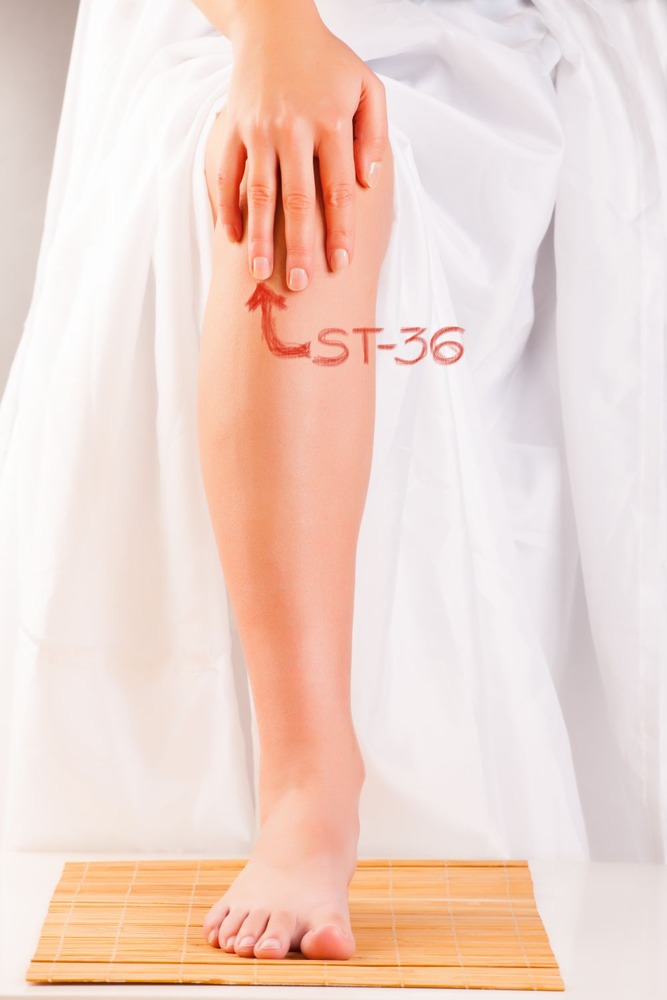
Common acupuncture points used for digestive complaints include points on the abdomen and along the legs and arms. The specific combination depends on what I find during your evaluation.
I may also incorporate herbal medicine which is very helpful for many stubborn cases.
Herbal Medicine
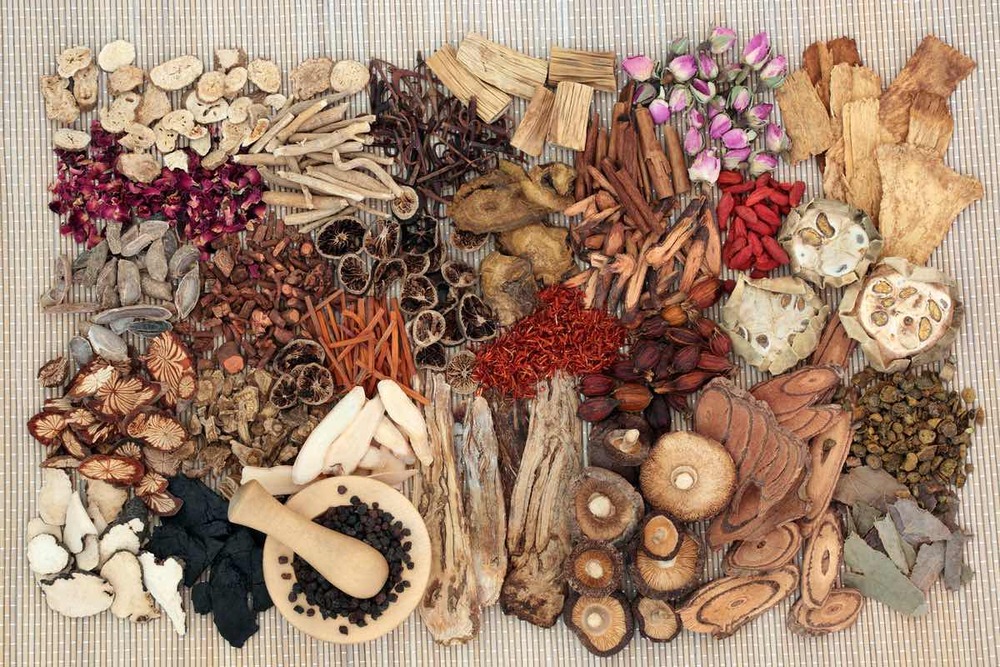
Herbal medicine is one of the most effective tools we have for treating the root cause of bloating and also helping you through the tough moments. Herbal formulas work over time to rebuild the underlying function of the digestive system. Herbs can help produce long-term improvement.
Formulas are matched to your specific pattern. Someone whose bloating flares with stress needs a very different formula than someone whose bloating builds slowly after every meal.
I typically start a formula to address the underlying imbalance, such as liver qi stagnation or spleen qi vacuity, then adjust it every few weeks based on how symptoms are shifting as well as changes in tongue and pulse.
Many patients take herbs alongside their acupuncture sessions, and we’ll talk through whether that combination makes sense for you during your visit.
How many treatments will I need?
For bloating, a typical course of treatment runs about 8 to 12 sessions, though that range shifts depending on how long the pattern has been established, how consistent the underlying cause is, and how the body responds along the way. Someone with a recent, stress-triggered flare often needs less. Someone who’s had years of digestive imbalance, several rounds of elimination diets, and a Spleen that’s been depleted for a long time may need more.
Most patients start to notice some relief within the first 2 to 4 sessions, usually a sense that the bloating is less severe or doesn’t build as quickly through the day. From there, improvement tends to build gradually rather than arrive all at once, with each session reinforcing the last as the underlying pattern shifts. By the end of a full course, the goal isn’t just less bloating on a good day, it’s a digestive system that holds steady even on the days New York doesn’t make it easy.
When bloating points to an underlying digestive condition
Bloating often shows up on its own, but it can also be one symptom within a broader digestive condition. Acupuncture and TCM are effective as a primary treatment for a number of these, including Irritable Bowel Syndrome, Constipation, and Gastroparesis. If your bloating is frequent, severe, or comes with other symptoms like changes in bowel habits, pain, or unintended weight changes, it’s worth working with your physician to rule out or diagnose an underlying condition alongside acupuncture treatment.
Bloating and the menstrual cycle
For many patients, bloating comes in the days before a period and continues through the period or easing once it starts. In TCM, this pattern is closely tied to Liver Qi stagnation and the hormonal shifts of the menstrual cycle, and it often travels alongside cramping, breast tenderness, and mood changes. Treatment for this type of bloating overlaps significantly with treatment for menstrual cramps and dysmenorrhea, since both stem from the same underlying pattern. You can find more on how we approach hormonal and cycle-related conditions on the Women’s Health page.
Feel Better, Get Acupuncture
Bloating is a signal, not a diagnosis, and the right treatment depends on understanding what’s driving it in your particular case. Acupuncture and herbal medicine are very effective at helping to reduce bloating and helping you to feel better. If you’ve been dealing with bloating that hasn’t been fully explained or resolved, I’d be glad to help you get to the root of it. Please give us a call at 212.319.5757 or you can make your appointment online.