Archive for the ‘Dermatology’ Category
Acupuncture and Chinese Medicine for Skin Conditions
Apr 24, 2013
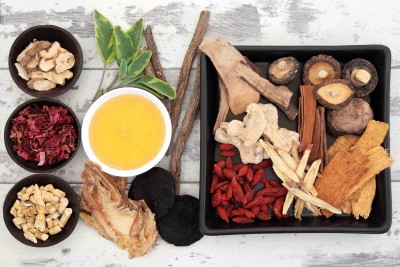
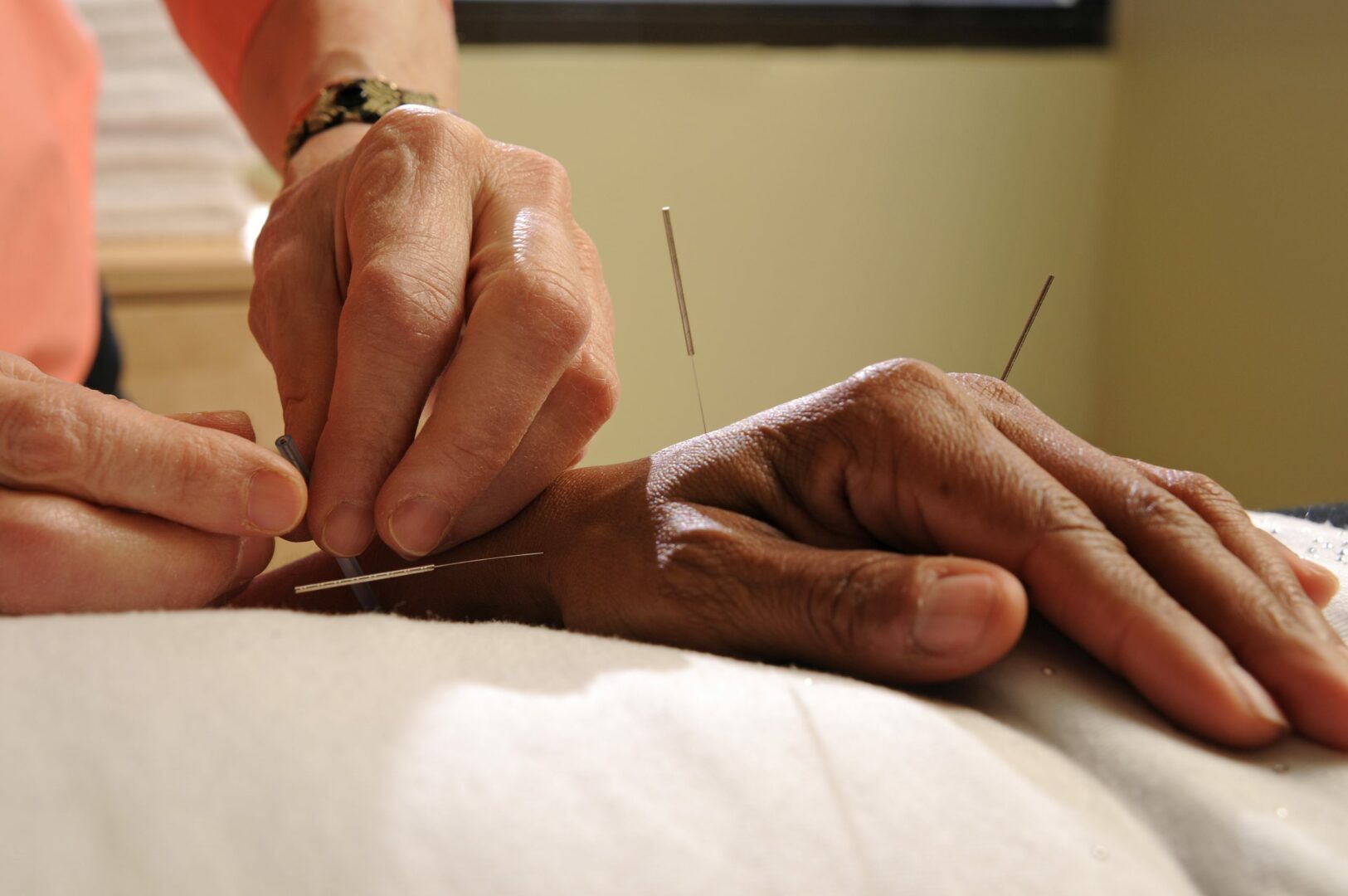
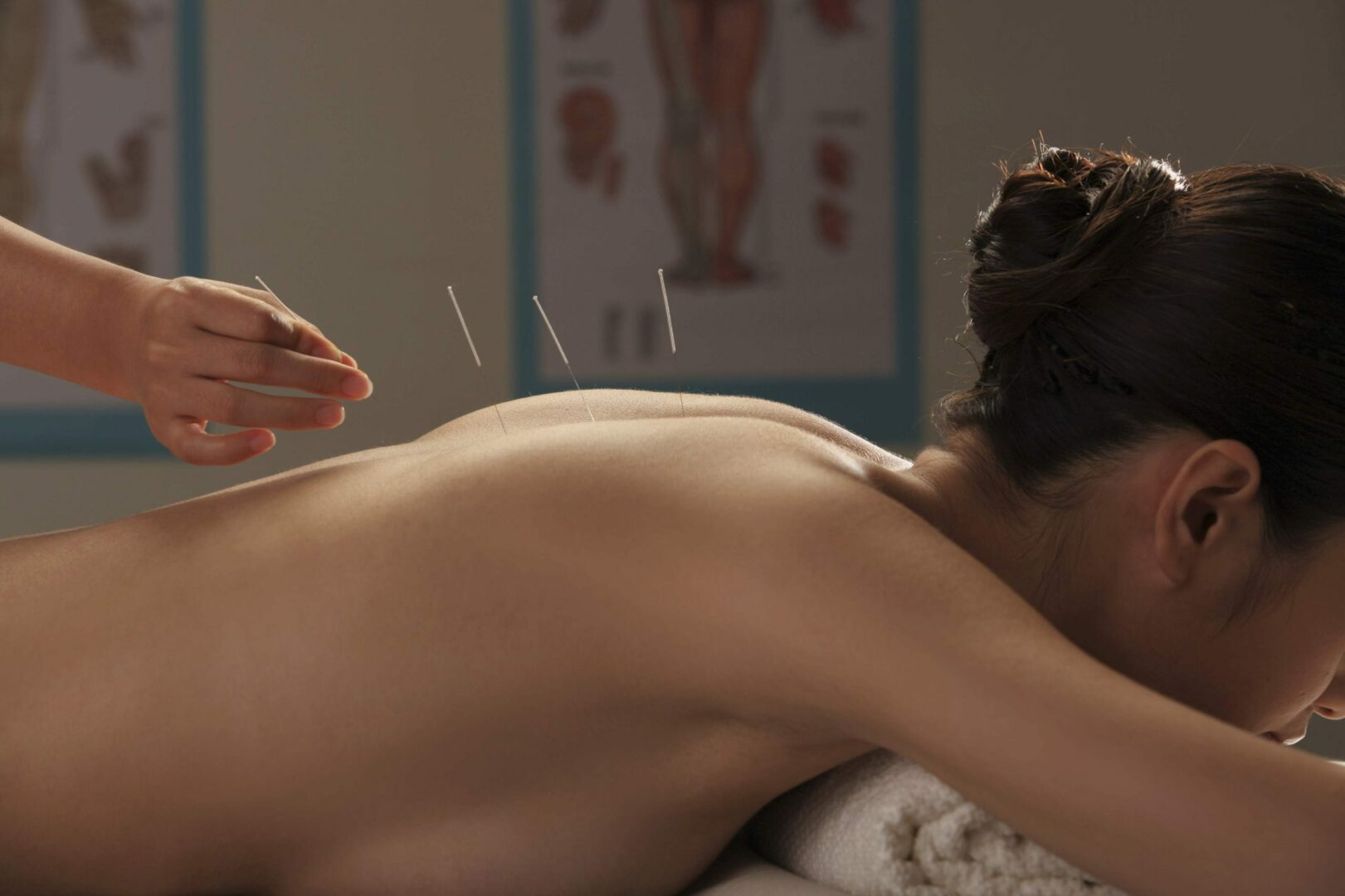
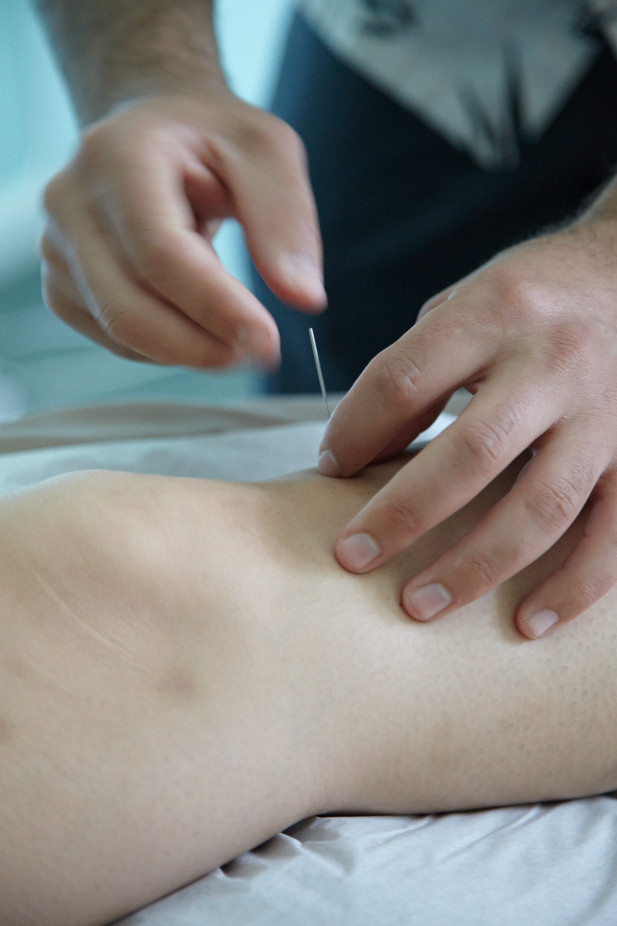
Skin diseases are one of the most common reasons to see your doctor. Yet, they are often stubborn conditions which do not respond to medications. Or even worse the medications have side effects. Acupuncture and Chinese medicine offers a natural and effective treatment for many skin conditions, such as acne, eczema, psoriasis, perioral dermatitis, and others.
Acupuncture and Chinese medicine has been treating skin diseases for at least 3000 years. The treatment of many skin diseases were discussed in the first known book of Chinese medicine, The Yellow Emperor’s Inner Classic (Huang Di Nei Jing). In the thousands of years since, Chinese medicine doctors and scholars discussed and debated the best approaches to treatment of skin conditions.
Traditional Chinese Medicine Understanding of Skin Conditions
The key to effective Chinese medicine treatment of skin diseases is diagnosis of the underlying imbalance causing the condition. Not everyone with a given skin condition will have the same symptoms. The different symptoms reflect the imbalance which needs to be corrected. My teacher of Chinese Medicine Dermatology, Mazin Al-Khafaji, describes this as Chinese medicine’s method of assessing various types of inflammatory processes causing the skin condition.
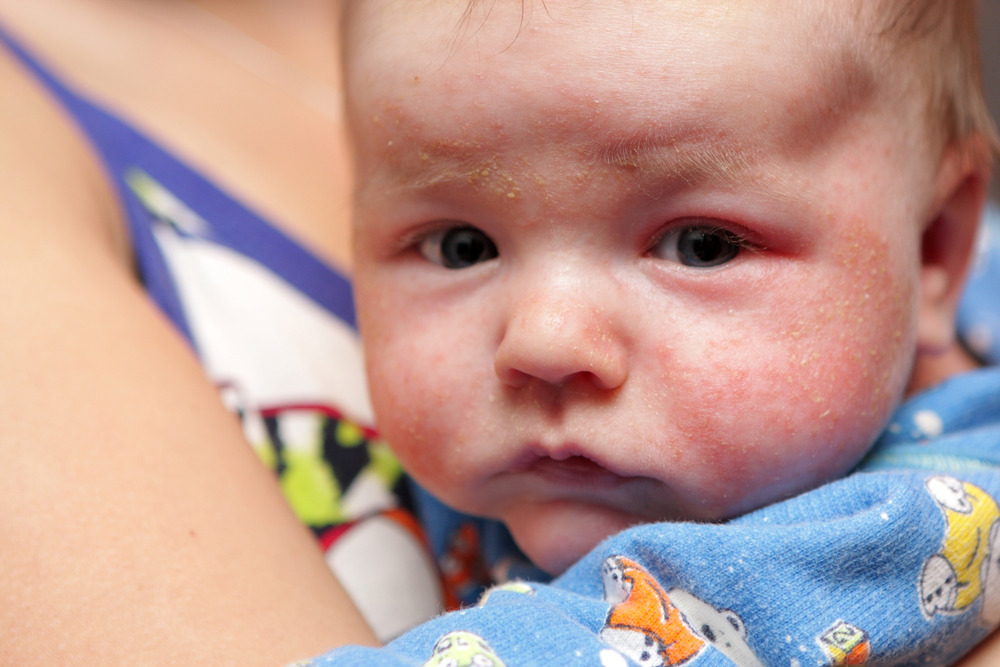
Let’s take eczema as an example. Some eczema may presents with wet, weeping, and crusty lesions. In this case, the imbalance is Heat and Damp Eczema. In other cases, the eczema is dry and red. This type of eczema is understood to be caused by Heat and Dryness. The Chinese medicine practitioner will use this imbalance to guide the writing of the acupuncture and herbal prescription.
Traditional Chinese Medicine Treatment Approaches
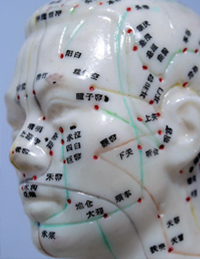
The acupuncture and herbal formula must address the imbalance causing the skin condition. To do this, the herbal ingredients and acupuncture points are tailored to the specific imbalance causing the disease. Let’s return to the eczema I described earlier. Eczema caused by Heat and Dampness must be treated with herbs that remove heat and damp, such as huang qin and long dan cao, among others. Acupuncture points such as GB 34 and Sp 9 may be used to reduce dampness and heat. While the eczema caused by heat and dryness will require herbs that clear heat and moisten the skin including sheng di huang and mu dan pi, among others. In this case, acupuncture points such as LI 4 and LI 11 may be used to drain heat from the body.
By correcting the underlying imbalance, acupuncture and Chinese medicine can lead to long term improvement.
Here are a number of articles which explain Acupuncture and Chinese medicine treatment of skin conditions.
- Eczema Treatment with Acupuncture and Chinese Medicine
- Psoriasis Treatment with Acupuncture and Chinese Medicine
- Acne Treatment with Acupuncture and Chinese Medicine
- Perioral Dermatitis Treatment with Acupuncture and Chinese Medicine
Traditional Chinese Medicine Treatment of Perioral Dermatitis
Jul 27, 2012
Traditional Chinese Medicine has been used to treat skin conditions for thousands of years. While Perioral Dermatitis is a newly recognized disease, only about 35 years old, the Traditional Chinese Medicine treatments for similar skin conditions remain helpful in addressing the condition.
Symptoms of Perioral Dermatitis
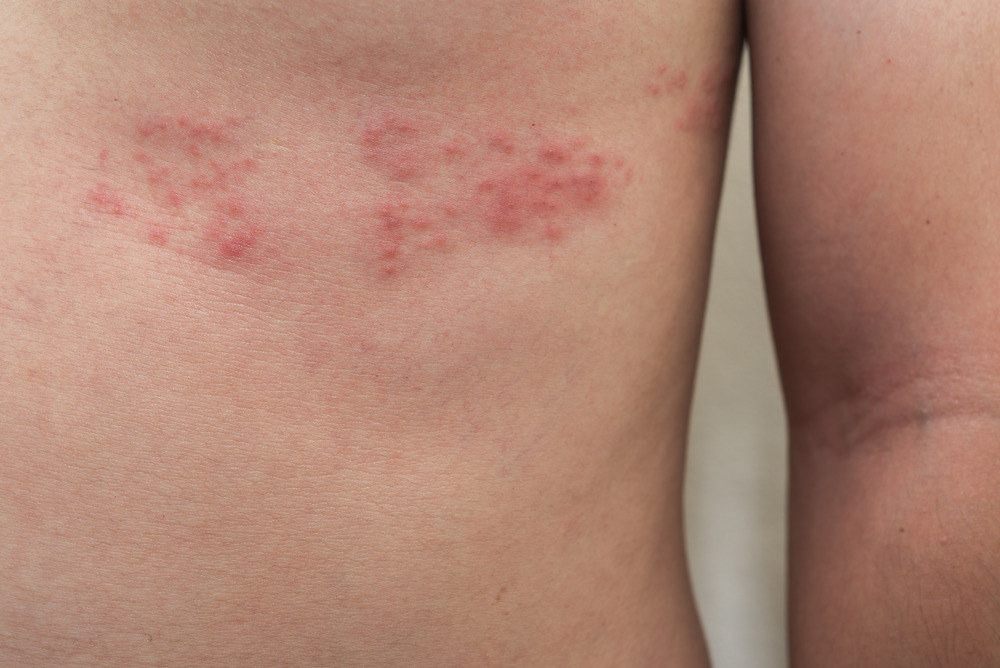
Perioral Dermatitis is a skin disorder which causes an erythema (redness of the skin), red bumps (called papules and pustules), and scaling. Perioral Dermatitis can look like acne, although it is not the same condition.
As the name infers, the most common locations of Perioral Dermatitis include around the mouth, on the chin, cheeks, and next to the nose. It can also occur around the eyes or on the eyelids, which is referred to as Periocular Dermatitis. Characteristic of Perioral Dermatitis is the sparing of the vermillion border around the mouth. The condition is generally not itchy.
Perioral Dermatitis most often affects young women, but the condition can occur in children and men. The cause is unknown. It was thought to be triggered by topical steroid creams. However, there are many people who contract the condition without having used topical steroids. Stress can be a significant factor at the onset of the condition. In children, the dermatitis may be associated with foods or other substances irritating the face.
Although Perioral Dermatitis does not pose a serious risk to your health, it can be very stressful and upsetting to an otherwise healthy person.
Perioral Dermatitis in Traditional Chinese Medicine
Chinese medicine takes a holistic approach to the diagnosis and treatment of skin conditions. In Traditional Chinese Medicine, a state of health is reached when the body is in balance. In order to address Perioral Dermatitis, acupuncture and Traditional Chinese Medicine bring the body back to balance.
During the examination, the acupuncturist will consider physical, emotional, and environmental factors, as well as the appearance of the skin. For example, the degree of redness, presence of papules and pustules, or scales will factor into the determinations of the imbalance. This is combined with information from taking the pulse, observing the tongue and the skin, and asking in-depth questions.
The predominant imbalances causing Perioral Dermatitis are stagnation and heat. If caused by stagnation or lack of circulation, symptoms most often include redness, thin scaling, and only a few pustules. The more redness and pustules, the more heat is present. If the erythema is persistent or becomes worse when you are hot or in the sun, the heat is more intense and deeper in the body. Digestive health can also be a factor.
Acupuncture and Traditional Chinese Medicine Therapy for Perioral Dermatitis
The goal of acupuncture and Traditional Chinese Medicine is to correct the imbalance underlying your condition. Once the imbalance is removed, the body is able to heal itself.
Acupuncture and Traditional Chinese herbal therapy are tailored to your specific symptoms and imbalance. Both the herbal ingredients and the acupuncture points will vary, depending on the condition. Chinese herbs are generally given in combinations of 8-12 herbs. The herbs are thought to work by synergistically regulating the inflammatory process underlying the condition.
It is important to consult an acupuncturist or Chinese Medicine practitioner before taking herbs. When treating Perioral Dermatitis from stagnation, the herbs may include those which help circulate the qi such as chai hu. If there is more erythema, herbs such as sheng di huang will help remove the heat. If there are many pustules, herbs that reduce inflammation, such as ye ju hua, are used.
Acupuncture reduces itch in atopic eczema
May 14, 2012
Atopic eczema causes profound itching. Often the itching is the first sign of the condition and scratching leads to the inflammation.
A recent research report examined acupuncture treatment of itch in atopic dermatitis (1). This study was quite sophisticated. They compared acupuncture versus antihistamine treatment to reduce itching. They also compared acupuncture and antihistamine to an acupuncture and an antihistamine placebo. Finally, they looked at if acupuncture was better for preventing the itch or treating the active itching.
The acupuncture was stronger than the antihistamine in its ability to reduce itching. In fact, the acupuncture was the only clinically relevant reduction in the itch. While the antihistamine also reduced itch, it was not as strong as the acupuncture. Also, acupuncture did not have any cognitive adverse effects which were induced by the antihistamine.
Both the antihistamine and the acupuncture were stronger than their placebos.
Interestingly, acupuncture performed before the itching was induced was not as effective as acupuncture done after the patients were itching. So it is important to think about the timing when treating the itch.
How does acupuncture reduce itch?
The authors theorized that acupuncture reduction of itch may act through the similar pathways as pain reduction including the release of endogenous opioids and neurological pathways. Acupuncture may also reduce inflammation which is a significant in atopic eczema.
References:
1. Pfab F, Kirchner MT, Huss-Marp J, et.al. . Acupuncture compared with oral antihistamine for type I hypersensitivity itch and skin response in adults with atopic dermatitis: a patient- and examiner-blinded, randomized, placebo-controlled, crossover trial. Allergy. 2012 Apr;67(4):566-73.
Acupuncture for Adult Acne Treatment
Apr 21, 2011
Some think that only teenagers get acne. But many adults, mostly women, develop acne in their 20’s and remain with it well into their 40’s. Adult acne is a very common issue I treat in my acupuncture clinic. The combination of acupuncture and Chinese herbs are very effective for adult acne treatment.
One theory is that stress causes hormone imbalances which effect the development of acne. Also, as many people know, the menstrual cycle can influence acne.
Traditional Chinese Medicine Acne Treatment
Acupuncture helps the body to manage stress and encourages the body to relax. Chinese herbs work to regulate hormone imbalances, especially if there are irregular menstrual cycles. Herbs can help to control bacteria levels and decrease inflammation.
The key to successfully adult acne treatment is interrupting the cycle that causes acne. Acupuncture and Chinese herbs work to correct imbalances in the body. By removing the imbalances causing the acne, it disrupts acne cycle and allows the body to heal itself. Physiologically, this happens through regulating hormonal imbalances and removing the opportunity for bacteria and skin inflammation to develop.
Acupuncture Calms Itch from Eczema
Feb 25, 2011
Eczema causes terrible itching. The itching in many cases is what leads to the development of dry, irritated, and inflamed skin associated with eczema. I often use acupuncture to help control the itching in eczema.
A research paper from last year showed that acupuncture helps to reduce itching in people with eczema. In this study, the researched caused a hypersensitivity reaction in eczema patients. Then, they used acupuncture to help reduce that itching.
In my NYC Acupuncture clinic I often use acupuncture to help patients with itching from eczema. I find that auricular and body acupuncture combination to be the most effective. After the acupuncture, I often will use magnet stickers in ear acupuncture points that correspond to the specific area of the body the itch is found.
Read More: Here are a few posts that explain the Acupuncture and Chinese medicine approach to Eczema.
- Personalized Acupuncture and Chinese herbs for Eczema
- Acupuncture and Chinese herbs for Eczema
- Acupuncture for Winter Eczema: A Success Story
Correcting Imbalances with Chinese herbs: A Natural Treatment for Psoriasis
Jan 28, 2011
If you read my blog regularly, you will know that imbalances are the cause of disease in acupuncture and Chinese medicine. For autoimmune conditions like psoriasis, the concept of imbalances really makes sense. The immune system is overactive and the body attacks itself. In acupuncture and Chinese medicine, the three most common imbalances that cause the psoriasis are blood heat, blood dryness, and blood stagnation.
Chinese medicine and acupuncture doctors have long said that by removing these imbalances, the acupuncture and Chinese medicine is a natural treatment that acts like hitting the reset switch, in this case, resetting the immune system. I think this is very accurate description for immunologic diseases.
My training during 2009-2010 at Mount Sinai was in immunology. We were looking at herbs and their immunoregulatory properties on inflammatory diseases, but also how the herbs regulated inflammatory processes throughout the whole body. One of the most powerful aspects of the research was to show that Chinese herbs to have strong long lasting immunoregulatory properties which act like a reset key.
The Immunologic Effects of Herbs for Psoriasis
In a review of herbs used for psoriasis explored the immunologic effects of commonly used herbs for psoriasis. Chinese herbs are complex natural products. Rather than being a single chemical, like most medications, they are combinations of naturally occurring substances. Formulas are even more complex because they can have 10 or more herbs.

sheng di huang and dan shen
Three of the most powerful and commonly used herbs for psoriasis are Sheng di huang (Rehmania glutinosa), Dan shen (Salvia miltiorriza), and Zi cao (lithospermum erythrohizon).
Sheng di huang is used to cool the blood and clear heat. It is effective for many types of psoriasis, including psoriasis from blood heat and blood dryness. In the laboratory, sheng di has shown to inhibit histamine release from mast cells and regulate the cytokines TNF-α and IL-1 in astrocytes.
Dan shen is good for blood stagnation and heat type psoriasis. Dan shen was shown to reduce edema, inhibit the secretion of IFN-γ and IL-12, and inhibited the degranulation of mast cells.
Zi cao very strongly cools the blood and is often used with psoriasis. This in combination with other herbs showed a complete suppression of IL-α and TNF-α, which are factors in psoriasis. These anti-inflammatory effects may have a beneficial effect for psoriasis.
Chinese Herbal Formulas
Some of the herbs may not directly correct the immune system, but rather work synergistically with other herbs in the formula to enhance their action, or in some cases, protect from side effects. You can see how complicated the situation is and why it is important to be well trained in Chinese herbal medicine.
Licorice root, or gan cao (Glycyrrhiza uralensis), is a Chinese herb close to my heart. Much of my research at Mt Sinai focused on gan cao. It is widely used in Chinese medicine for psoriasis by boosting qi and harmonizing the effects of other herbs. It has long been know for immunoregulatory abilities. Studies are now showing that it can also reduce possible toxicity and helped to repair damaged liver cells. This is the harmonizing effect Chinese medicine doctors have been talking about for centuries.
Tse, T. W. Use of common Chinese herbs in the treatment of psoriasis. Clinical and Experimental Dermatology. 28: 5. 469-475. 2003
The Heartbreak of Psoriasis
Jan 27, 2011
“The Heartbreak of Psoriasis” is a phase the author John Updike, a sufferer of psoriasis himself, used to describe his experience with the condition. While psoriasis is a skin condition, it impacts people’s daily lives in social situations and has a significant emotional impact. In addition, psoriasis may cause itching, physical discomfort, and is often associated with arthritic joint pain. Acupuncture and Chinese herbs have been used to treat it for thousands of years.
What Causes Psoriasis?
In both acupuncture theory and western medicine, psoriasis is more than skin deep. Psoriasis is caused by a complex interaction between genetic disposition, the environment, and the immune system. In acupuncture, this dysfunction is described as imbalances which disrupt the body and keep it from healing. Once the imbalances are corrected, your body can work to heal itself and stay healthy.
Psoriasis causes auto-immune reactions which make skin cells overgrow, leading to the development of plaques and scales. The environment also influences the development of the condition including drugs, trauma, infection, and stress.
In acupuncture and Chinese medicine, psoriasis is caused by imbalances. The diagnosis of the specific imbalance is based upon your symptoms, such as itch, pain, or irritation, the appearance of the skin lesions. The most common imbalances, which cause psoriasis, are blood heat, dryness, and blood stagnation. Damp heat can also be a factor, particularly in pustular psoriasis.
What are Psoriasis symptoms?

Psoriasis plaques on back
Psoriasis causes the formation of round and oval raised lesions. Often there is silvery white scale over these lesions. If removed it may bleed easily, which is called an Auspitz’s sign. Itching is common, and can be severe in certain cases, but it is very variable. In those with psoriasis, the lesion may appear at a site of physical trauma, which is called a Koebner phenomenon. Many people with psoriasis also suffer from chronic joint pain and arthritis.
Psoriasis tends to affect the outside of the arms and legs more than the inside. Common areas that are most effected from psoriasis are the back, elbows, scalp, groin area, fingernails, and toenails. Some medications and drugs may exacerbate the development of this condition.
There are many types of psoriasis, the most common type being chronic plaque psoriasis. This chronic form is the most common and the lesions may last for months, even years when they develop. This form reacts well to acupuncture and Chinese medicine treatment.
There are some acute inflammatory forms of psoriasis, which must be treated immediately by a physician or in the emergency department.
The Most Common Acupuncture and Chinese Medicine Imbalances
Blood Heat- Blood heat is characterized by the acute onset of psoriasis with possible severe itching. The lesions are often bright red irregular patterns of plaque. The size and extent of the lesions suggest the amount of heat. The greater number and larger the lesions, the greater amount of heat. The bleeding upon scratching is easy to elicit.
Blood Dryness- Blood dryness occurs with chronic cases of psoriasis. Itching may or may not be present. The lesions can appear pale red or dull red in color. The scales may appear to be dryer with blood dryness.
Blood Stagnation- Blood stagnation also occurs when there is long term chronic psoriasis. It often is characterized by remission and relapses. The plaques are irregular, hard, and thick and may be purplish and dry in color. Bleeding may be difficult to elicit but itching is still present.
Damp heat occurs in pustular psoriasis. This is when there is a large amount of inflammation, swelling, fissures, and exudate. The lesions may be moist and swollen and there may be pus.
Psoriasis Treatment with Acupuncture and Chinese Medicine
Chinese herbal therapy works by correcting the specific imbalance causing underlying psoraisis. The prescription is tailored to your symptoms and imbalance specifically.

Ku Shen and Huang qin
The treatment usually combines both acupuncture and Chinese herbal therapy. Acupuncture can help to reduce itch and, if there is pain associated with the condition, help to kill the pain. Acupuncture points such as LI 11 and LI 4 help to clear heat. GB 34 and GB 31 can help relieve the itching. Ear acupuncture and ear magnet therapy I find helps to relieve itching very quickly.

sheng di huang and ku shen
In addition to acupuncture, Chinese herbal therapy is necessary for having substantial results with psoriasis. Chinese herbs are given in formulas, which may contain 10-15 herbs. They are most often cooked and drank as teas. The ingredients are chosen specifically for your condition. For example, if there is blood stagnation and blood dryness, the formula would focus on moving the blood stagnation and nourishing the dryness. Herbs such as Sheng di huang nourish the blood and Dan shen move blood stagnation would be included. Mu dan pi also can help nourish the blood while moving heat. However, if the imbalance is damp heat, herbs that are stronger to clear damp heat would be added such as ku shen or huang qin. Herbs for external application are also extremely effective to help psoriasis.
One of the amazing and phenomenal aspects of acupuncture and Chinese medicine treatment is that it can lead to long term reduction in psoriasis. We describe this as correcting the imbalances in the body rather than masking the psoriasis symptoms.
In my next post I write about Traditional Chinese medicine for psoriasis.
Photos: The Wednesday Island of English Wikipedia
Acupuncture and Chinese Medicine Treatment of Acne
Jan 25, 2011
Acne has profound effects on people’s lives, effecting social life, education, and even employment. Acupuncture and Traditional Chinese Medicine are very effective at reducing acne. Acupuncture works by reducing inflammation, bacteria, and increasing circulation. The key is to correctly diagnosis the imbalance that is causing the acne.
Acupuncture and Chinese Medicine for Acne
Traditional Chinese Medicine has a holistic approach to the diagnosis and treatment of acne, identifying specific imbalances in the body and using acupuncture and Chinese herbs to correct them. Correcting the imbalance does not just treat the symptoms or mask the condition, but rather corrects the root of the problem by encouraging self-healing of the body.
Acupuncture and Chinese herbs help to reduce the cycle of acne development by regulating hormones that effect skin secretions, decreasing inflammation, and reducing bacteria. Chinese Medicine and Acupuncture are holistic therapies which can help people both with the acne as well as improve overall wellness.
Imbalances in Acupuncture and Chinese Medicine Causing Acne
Whiteheads and Blackheads: This is also called comedonal acne. In Chinese medicine, dampness and heat are the main cause of white heads and black heads. Chinese herbs and acupuncture to clear dampness and heat can be effective at treating whiteheads and blackheads, such as huang qin or sang bai pi. Other signs of dampness may be oily skin, fatigue, and poor digestion .
Inflammatory Acne: Inflammatory acne occurs when pimples become infected and inflamed. In Chinese medicine, heat is a significant cause of inflammatory acne. Heat imbalances are reflected in red skin as well as red inflamed papules and pustules. If there is very bad inflammation it is called “toxicity.” The acupuncture and herbs that clear away the heat have been shown to have many antibacterial and anti-inflammatory properties such as jin yin hua and lian qiao. Heat can also manifest as night sweats, excessive thirst, and constipation.
Cystic acne: Cystic acne is a severely inflamed type of acne. The cysts are large,lie deep in the skin, and can be painful. In Chinese medicine, this is related to toxins and stagnation. Pu gong ying (dandelion) is one of the herbs that may be useful in this type of acne.
Hormonal acne: Many women find that their acne flares up premenstrual. The acne is often a combination of whiteheads and blackhead with some inflammation involved. In Chinese medicine, hormonal acne can be related to stagnation, which is a lack of circulation in the body. Stress may also be a factor in the development of hormonal as well as inflammatory acne which is a common cause of qi and blood stagnation. Acupuncture and herb treatment would focus on moving the the qi and blood stagnation. Herbs such as chai hu and yi mu cao can help move the qi and blood to stop acne.
Acupuncture’s Holistic Treatment
Another benefit is that acupuncture helps the body to manage stress and encourages the body to relax. Chinese herbs work to regulate hormone imbalances, improve digestion, control bacteria levels, and decrease inflammation. By removing the imbalances causing the acne, acupuncture and Chinese herbs disrupt the acne cycle and allows the body to heal itself.
Chinese medicine for Acne
Jan 24, 2011
What Causes Acne?
Acne is a disorder of the hair follicle sebaceous gland. This gland can get clogged up with proteins and oils from the skin. The clogged pore develops into a pimple, a white head or a blackhead.
The pimple allows for a situation which bacteria can take advantage. When the pimple becomes infected, it leads to inflammation, and the acne cycle begins. Clogged pores and bacteria lead to more inflammation and more acne. The pimples become what is called a papule, a pus filled lesion. In some people this develops into large painful pimples, commonly referred to as cysts.
Acupuncture, topical herbs, and internal herbal formulas can help reduce this cycle of acne development by regulating hormones that effect skin secretions, decreasing inflammation and reducing infection.
Traditional Chinese Medicine Approach to Acne
In Chinese medicine, acne is most often associated with imbalances called heat, dampness, and blood stagnation. The correct analysis and treatment of these imbalances leads to the long lasting improvement. The imbalances can develop from stress, interaction with the environment, hormonal changes, or other causes.
Dampness- Dampness is the main cause of white heads and black heads. People with dampness generally have oily skin and may sweat a lot. Dampness may occur from hormonal imbalances which is why teenagers often get acne. It is also the reason that stress may lead to acne, because stress can have a profound effect on hormones. Acupuncture and herbs that treat dampness help to decrease oiliness on the skin and regulate the hormone imbalances.
Heat - Heat imbalances are reflected in red skin, red inflamed papules and possibly pustules scabs and crusts. This is very common with those suffering from acne. If there is very bad inflammation, it is called “heat toxicity.” This is the Chinese medicine way of describing infection and inflammation in the skin. The acupuncture and herbs that clear away the heat have been shown to have many antibacterial and anti-inflammatory properties.
Blood Stagnation- Blood stagnation occurs from long term clogging of the pores. Purplish skin and purple raised lesions is the main sign of blood stagnation. Herbs that help with blood stagnation help to increase circulation in the area to release the clogged pore.
I would be happy to speak with you more about how acupuncture can help reduce your acne and break the cycle of breakouts. Call 917-887-4946 or e-mail us to make an appointment.
Acupuncture and Chinese Herbs Can Help Eczema
Apr 26, 2010
Eczema is a chronic skin disorder which causes intense itching. Eczema is often said to be “the itch that rashes” because the itch precedes the rash and inflammation. Scratching the itch then leads to inflammation.
Eczema is best understood as a group of skin conditions that have similar types of inflammation. Eczema rashes are often dry and the skin may thicken from scratching. Eczema is also prone to becoming infected.
For thousands of years, Chinese medicine physicians have used acupuncture and herbs to help different types of eczema. The therapy is targeted to stop the itching and regulate the inflammation.
Types of eczema
There are many types of eczema which acupuncture and Chinese medicine can help. Here is a list of the most common.
- Atopic eczema, or atoptic dermatitis, is the most common form of eczema.
- Pompholyx eczema
- Stasis eczema
- Nummular eczema
- Lichen Simplex
Chinese Medicine Approach
Chinese medicine takes a holistic approach to diagnosing eczema, considering physical, emotional, and environmental factors. By taking the pulse, asking in depth questions, and observing the tongue and the skin, the acupuncturist will diagnose the what particular imbalance is causing the symptoms.
Too much “heat” is a common cause of eczema, which leads to the itch, redness, irritation, swelling, and vesicles. The acupuncture and herbs help to clear the heat from the body.
Acupuncture and Chinese Herbs Treatment
The treatment goal is to correct the root cause of the condition, which can lead to long term benefits, even long after the treatment has stopped. The treatment and diagnosis are tailored to each person’s symptoms. Depending on the severity of the condition, treatment may involve acupuncture, Chinese herbs, or both. Some conditions will clear rapidly, but others may take longer. In general, a treatment course is three to six month
Every person is individually diagnosed to for their specific imbalance which is causing their symptoms. Most often, focusing on clearing heat, boosting the energy, and promoting circulation will help clear the lesions and stop the itching. This can help to treat the root of the disease as well as help resolve the symptoms. Clearing heat usually will include the acupuncture points of Large intestine 11, 5, and 4. Because the lungs are so often related to eczema, lung 5 and lung 6, on the front of the elbow are often added. Spleen 6 and Spleen 10 are effective at moving the blood.
Chinese herbs focused on clearing heat are effective such as sheng di huang (rehmannia) and jin yin hua (honey suckle) may be used to clear heat. If damp heat is present, often long dan cao is effective. Ku shen (sophora) is helpful for itching. The goal of the treatment is to clear heat, dispel the wind and dampness, and move the blood to stop itch and promote healing. External herbal creams are very effective at decreasing inflammation and stopping itching.
Clinical Research
A number of studies in England have shown that a Chinese herbal formula is effective in treating eczema. One double blind randomized crossover study treated 40 adults with chronic eczema with an herbal formula (in later studies, this formula is entitled Zemaphyte). This study concluded that the herbal formula was effective for reducing skin lesions, redness, itching, and helped the patients sleep better. This same formula later showed to have immune system regulatory effects.
Read more about acupuncture and Chinese medicine and the Immune System
- Reset Your Immune System: Long Lasting Effects of Chinese Herbs
- Acupuncture and Chinese herbs for Winter Eczema
- Resetting the Immune System: Allergies, Asthma, and Acupuncture