New Research on Acupuncture for Pain
Sep 12, 2012
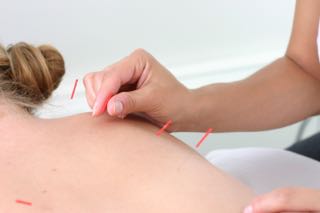
Acupuncture is famous for the treatment of chronic pain. Chronic pain is one of the most common health concerns I see in my NYC acupuncture clinic. Back pain, headaches, migraines, shoulder pain, knee pain, neuropathy, arthritis, and other chronic pain conditions. Patients can have profound results.
In the clinic we know acupuncture is effective for pain, but often skeptics are vocal opponents because they believe that there is not enough research.
Recently, a very large analysis of research trials, called a meta-analysis, was published focusing on acupuncture for pain. The meta-analysis shows that acupuncture is effective for the treatment of pain. This was across many pain conditions including back and neck pain, osteoarthritis, chronic headaches, and shoulder pain.
Andrew Vickers PhD, the head author, and his team painstakingly reviewed virtually all of the acupuncture research trials which have focused on pain. They had strict criteria for the quality of the studies to be included in their analysis. In the end, the group used 29 acupuncture studies which included 17922 total patients.
The results of the study showed that acupuncture was much better than no-acupuncture control groups across the studies. The acupuncture was also better than placebo acupuncture across the groups. The difference between real and placebo acupuncture was not as large as the difference between acupuncture and no acupuncture. However, the numbers are large enough to show a real difference between placebo and real acupuncture for pain reduction.
Focus on what you can eat
Aug 29, 2012
This morning NPR ran an interesting story discussing weight loss and food choices for women of the Baby Boomer generation.
The take home message is simple, focus on what you can eat. Rather than bemoaning all the desserts and rich foods you cannot indulge in, think about increasing the fruits and vegetables. This will help you to be satisfied so it is easier to cut down on dessert. Not that you can’t have dessert, but a smaller portion and less often is better.
Simple choices and voila, you have yourself a healthy diet. These healthy habits will follow you around, even when going out to eat at a restaurant.
Traditional Chinese Medicine Treatment of Perioral Dermatitis
Jul 27, 2012
Traditional Chinese Medicine has been used to treat skin conditions for thousands of years. While Perioral Dermatitis is a newly recognized disease, only about 35 years old, the Traditional Chinese Medicine treatments for similar skin conditions remain helpful in addressing the condition.
Symptoms of Perioral Dermatitis
Perioral Dermatitis is a skin disorder which causes an erythema (redness of the skin), red bumps (called papules and pustules), and scaling. Perioral Dermatitis can look like acne, although it is not the same condition.
As the name infers, the most common locations of Perioral Dermatitis include around the mouth, on the chin, cheeks, and next to the nose. It can also occur around the eyes or on the eyelids, which is referred to as Periocular Dermatitis. Characteristic of Perioral Dermatitis is the sparing of the vermillion border around the mouth. The condition is generally not itchy.
Perioral Dermatitis most often affects young women, but the condition can occur in children and men. The cause is unknown. It was thought to be triggered by topical steroid creams. However, there are many people who contract the condition without having used topical steroids. Stress can be a significant factor at the onset of the condition. In children, the dermatitis may be associated with foods or other substances irritating the face.
Although Perioral Dermatitis does not pose a serious risk to your health, it can be very stressful and upsetting to an otherwise healthy person.
Perioral Dermatitis in Traditional Chinese Medicine
Chinese medicine takes a holistic approach to the diagnosis and treatment of skin conditions. In Traditional Chinese Medicine, a state of health is reached when the body is in balance. In order to address Perioral Dermatitis, acupuncture and Traditional Chinese Medicine bring the body back to balance.
During the examination, the acupuncturist will consider physical, emotional, and environmental factors, as well as the appearance of the skin. For example, the degree of redness, presence of papules and pustules, or scales will factor into the determinations of the imbalance. This is combined with information from taking the pulse, observing the tongue and the skin, and asking in-depth questions.
The predominant imbalances causing Perioral Dermatitis are stagnation and heat. If caused by stagnation or lack of circulation, symptoms most often include redness, thin scaling, and only a few pustules. The more redness and pustules, the more heat is present. If the erythema is persistent or becomes worse when you are hot or in the sun, the heat is more intense and deeper in the body. Digestive health can also be a factor.
Acupuncture and Traditional Chinese Medicine Therapy for Perioral Dermatitis
The goal of acupuncture and Traditional Chinese Medicine is to correct the imbalance underlying your condition. Once the imbalance is removed, the body is able to heal itself.
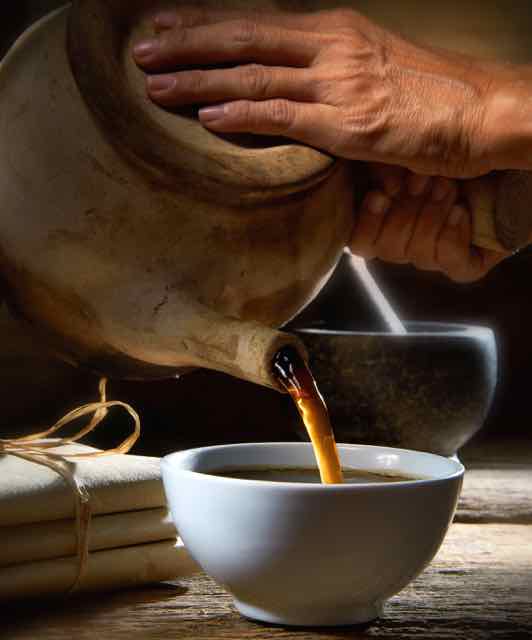
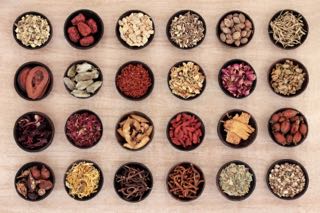
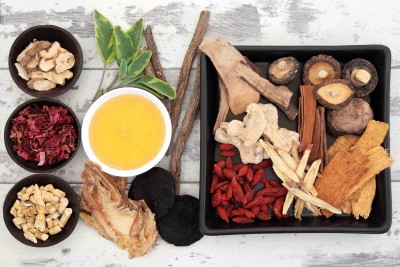
Acupuncture and Traditional Chinese herbal therapy are tailored to your specific symptoms and imbalance. Both the herbal ingredients and the acupuncture points will vary, depending on the condition. Chinese herbs are generally given in combinations of 8-12 herbs. The herbs are thought to work by synergistically regulating the inflammatory process underlying the condition.
It is important to consult an acupuncturist or Chinese Medicine practitioner before taking herbs. When treating Perioral Dermatitis from stagnation, the herbs may include those which help circulate the qi such as chai hu. If there is more erythema, herbs such as sheng di huang will help remove the heat. If there are many pustules, herbs that reduce inflammation, such as ye ju hua, are used.
What goes into an acupuncture treatment?
Jul 24, 2012
The process of treating back pain with acupuncture, or any pain for that matter, is complex. As an acupuncturist, we have many factors to consider in the treatment.
Important factors for the acupuncturist to decide are what acupuncture points to use, how long the needles stay in, what position the patient should lie, the use of electro-acupuncture, additional use of cups, and other factors.
1. How to choose acupuncture points:
Acupuncture points can be chosen based on location of the pain, type of the pain, and the underlying imbalances causes the pain. Some pain, such as pain from sciatica, is best relieved by acupuncture locally in the lower back, around the sacrum, and throughout the course of the sciatic nerve.
2. Use of electroacupuncture is very helpful for many types of back pain. This technique enhances the relaxation of muscles as well as helps to reducing inflammation and pain. In addition, electroacupuncture may be helpful in stimulating the growth of muscle tissue and therefore can be helpful for balancing the muscle weakness.
3. The length of the acupuncture treatment can also vary. If there is an acute back spasm, it is better to have a shorter acupuncture treatment. For muscle weakness, the needles will be left in for a slightly longer period of time.
4. The patient needs to be comfortable during the acupuncture session. Some positions, such as lying face down, will put stress on the back. These patients will often benefit from treatment lying on their side or back and use distal acupuncture points on the most powerful acupuncture channels.
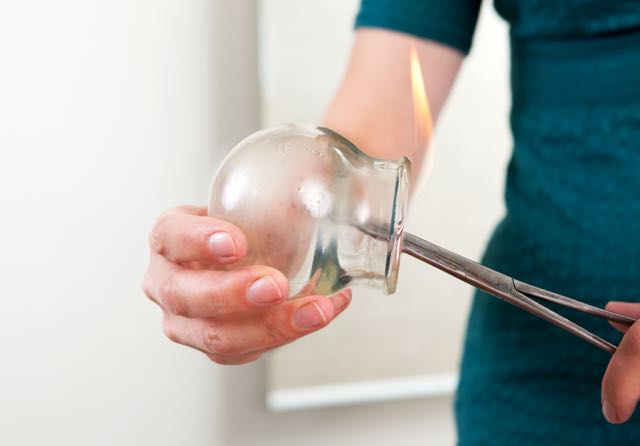
5. Cupping is an effective additional technique to acupuncture for back pain. It helps to relax the muscles and bring circulation to the area.
The Summer of Headaches
Jul 13, 2012
The heat and humidity this year is strong. Not only is it uncomfortable, many find that their headaches are increased during the hot and humid summer.
I previously wrote a post explaining how acupuncture understands the connection between hot weather and headaches.
Read more about acupuncture treatment of headaches:
All About Acupressure
Jul 11, 2012
Acupressure is the massage of acupressure points and channels. I often use acupressure and tui na (Chinese medical massage) combined with with acupuncture in my NYC acupuncture clinic.
Acupressure in context
To really understand how acupressure works, we have to see it as part of the whole of Traditional Chinese Medicine.
Chinese medicine dates back thousands of years. The first book of Chinese medicine is called the Huang di nei jing, or the Yellow Emperor’s Inner Cannon.
The book is a conversation between the Yellow Emperor and his doctor, named Qi Bo. Qi bo explains that health comes from a state of balance within the body, and between the body and the environment. To prevent illness, people should live a balanced life. It is a very simple idea.
Chinese medicine uses many therapies, including acupuncture, acupressure, and Chinese herbs to bring balance to the body by regulating the nervous system, decreasing inflammation, and improving circulation. Once the body is in balance, it can work to heal itself.
Acupuncture channels, called the jing lou in Chinese, connect the body. These channels provide a pathway for the circulation. Qi flows through the channels, warming the body and protecting it from disease.
Acupressure and acupuncture manipulates these channels to bring you back to a healthy state.
What to do about Organic Food?
Jul 9, 2012
Yesterday in the Times there was an informative article about the corruption issues with organic food production.
Big companies have been getting into the organic market for years because it makes big profits. The author highlights how many corporations don’t care much about organic standards and healthy food. They care more about their profits.
For example many organic companies would be happy to have additives and herbicides, not caring about pollution or quality of the produce. As long as it increases profits.
There are exceptions. Eden organic (I love their beans) maintains pride in their product and organic food.
As a consumer it is hard to know what to purchase. My recommendation is to skip organic and go directly to the farmer. Your food travels less far, is less handled, fresher, healthier, and above all tastes better.
Here in NYC we’re lucky because we have a great network of farmer’s markets and CSA. There’s even one close to my NYC Acupuncture clinic on 57th street.
See you at the markets.
images: Ed Yourdon
Acupressure for constipation
Jun 5, 2012
Constipation is an issue that I often treat in my NYC acupuncture clinic.
I always teach my patients this simple two-step acupressure routine for relieving constipation to supplement the acupuncture treatment.
Rub belly in clockwise circle

Rubbing your abdomen will help wake up your digestive system. Place your whole palm on the abdomen and apply even pressure. Not so much pressure that it is painful but you should feel your hand.
Rub your belly in a big clockwise circle touching the edge of the ribs and the top of the pelvis. Do this motion for 30 seconds. You can also casually rub your belly in this way during your relaxation time, listening to music, or before you go to sleep.
Sheng Ju Xu- Stomach 37
Stomach 37 is a very important acupuncture point for constipation. When palpating you may notice that it is often tender during episodes of constipation.
Acupressure Point Location: Stomach 37 is located 3 cun below the acupressure point Stomach 36.

Stomach 37 acupressure point for constipation
First locate the tibial tuberosity, a bump just below the knee. Place your hand just below the tibial tuberosity with the index finger touching the bottom of the tuberosity. Stomach 37 is located level with the pinky finger just to the outside of the shin bone when your hand is in this position.
How to massage
First press on the acupressure point then rub in a circle. You can apply pressure which can help. Pressing very hard may cause a small bruise.
Rub this acupressure point twice a day for 30 seconds.
Headaches and Other Symptoms
May 31, 2012
A recent patient with headaches at my New York acupuncture clinic reminded me of the powerful way acupuncture treats the whole person.
She was coming in for tension headaches which were exacerbated by seasonal allergies. Stress was also a major factor.
The acupuncture had almost an immediate effect in reducing the headaches. After 4 treatments she had very little pain.
The following month this patient returned for follow up acupuncture treatment. And she reported she did not have any PMS or cramps that month.
The acupuncture treatment was focused on the headaches, but correcting the underlying imbalance helped to heal the whole person.
Allergies and Depression
May 29, 2012
I developed seasonal allergies in my 20’s. For years I did not notice my allergies so much as I noticed I was moody when the flower bloomed. I didn’t understand if everything is so beautiful why was I feeling so blue.
Eventually I realized my headaches, stuffy nose, and moodiness was allergies.
Scientists have reported that depression increases with allergy symptoms. Most people thought that mood changes during allergy season were simply related to feeling uncomfortable from the sinus pressure, headache, sneezing, and watery eyes. Recently researchers have suggested there is a connection between the inflammatory processes that lead to allergies and the feeling blue.
Inflammatory diseases in general, such as asthma and psoriasis, have higher rates of depression compared to other chronic diseases. This may suggest that the inflammatory process itself has some influence on the development of depression.
Read More: