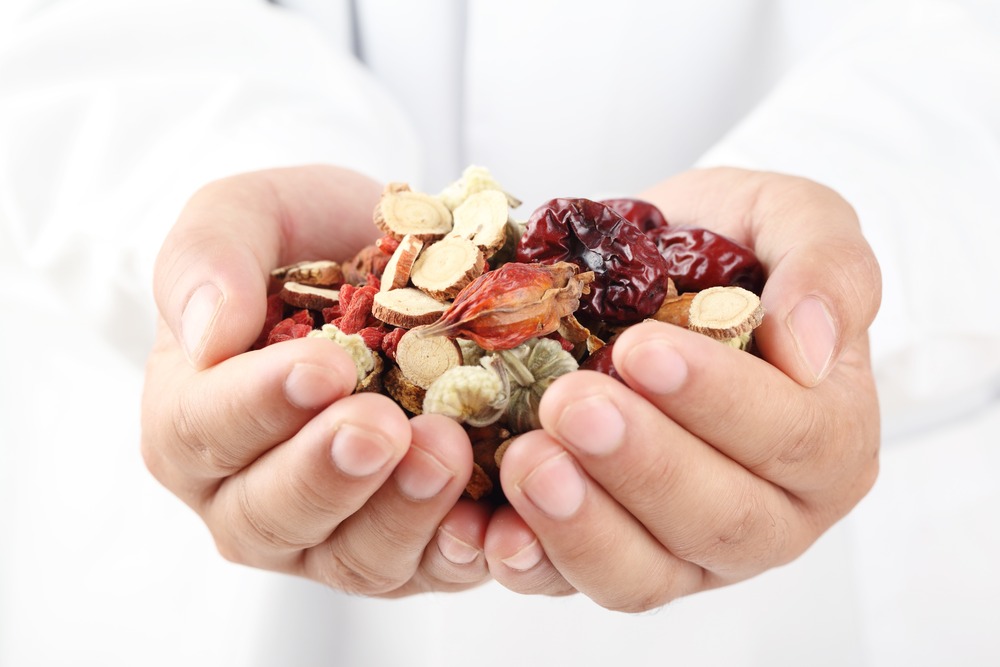
Acupuncture and Chinese Medicine Offers Hope for Premature Ovarian Insufficiency
Premature Ovarian Insufficiency (POI) is a condition leading to decreased fertility, irregular periods, hot flashes, and many other symptoms. Acupuncture …

Dive deep into the rich and diverse world of Chinese medicine, an ancient healing system with over 2,000 years of history. This category will explore the core principles, practices, and history of Chinese medicine, including herbal medicine, and offer insights into its timeless wisdom for achieving optimal health and well-being. You will also learn about chinese medicine diagnosis and treatment techniques and principles of herbal medicine.
Premature Ovarian Insufficiency (POI) is a condition leading to decreased fertility, irregular periods, hot flashes, and many other symptoms. Acupuncture …

Chinese medicine has long had efficacious treatments for warts, a common yet challenging skin condition. This blog post explores the …
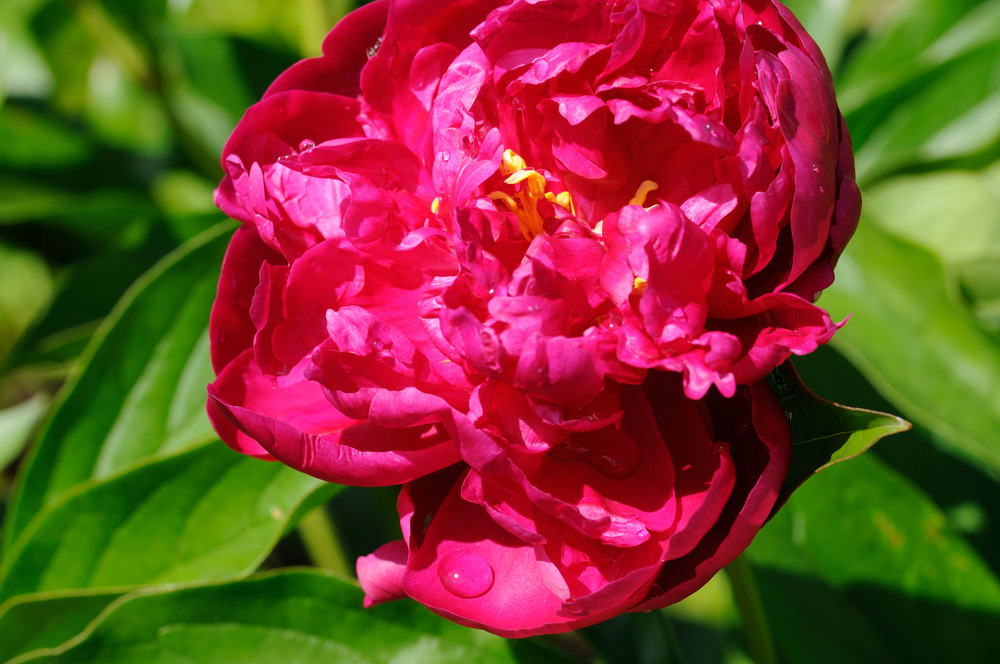
In this blog post, I will explore the concepts of hot and cold herbs, and the common uses of specific …
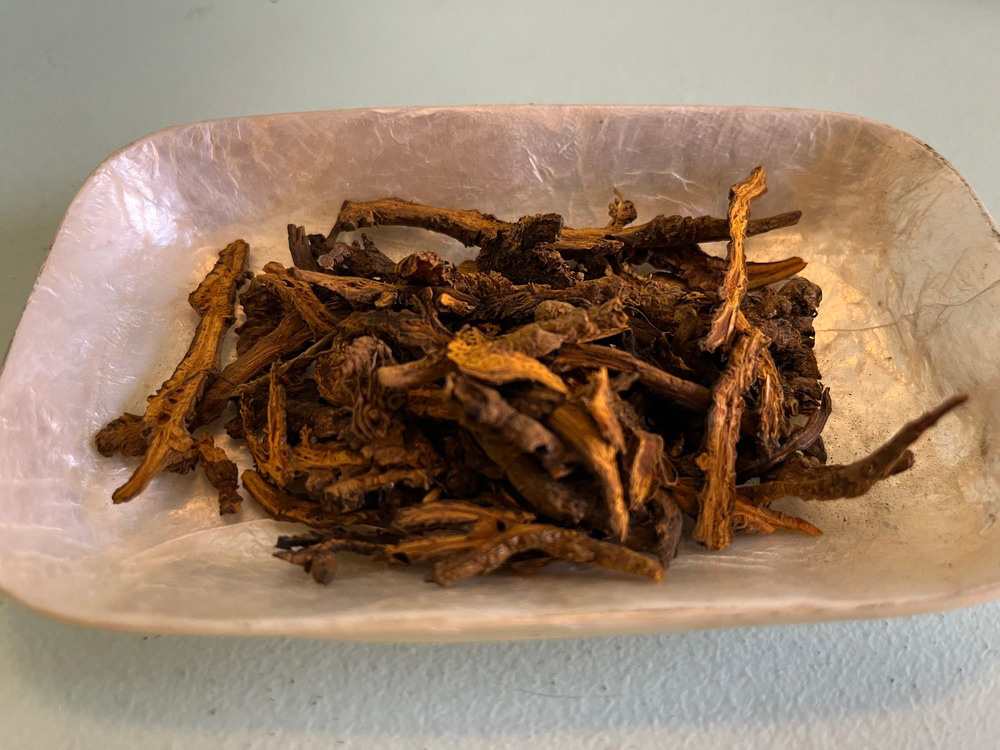
Berberine, a bioactive compound found in several plants, has a rich history of use in traditional Chinese medicine. For over …

In the quest for optimal health and well-being, the relationship between ourselves and the environment plays a pivotal role. Our …

Fall is a time of reflection and change. It’s the season for back-to-school activities, darker mornings and cooler nights. In …
The practice of Chinese Medicine Dermatology possesses a deeply-rooted history, dating back to over 2000 years. I am proud to …
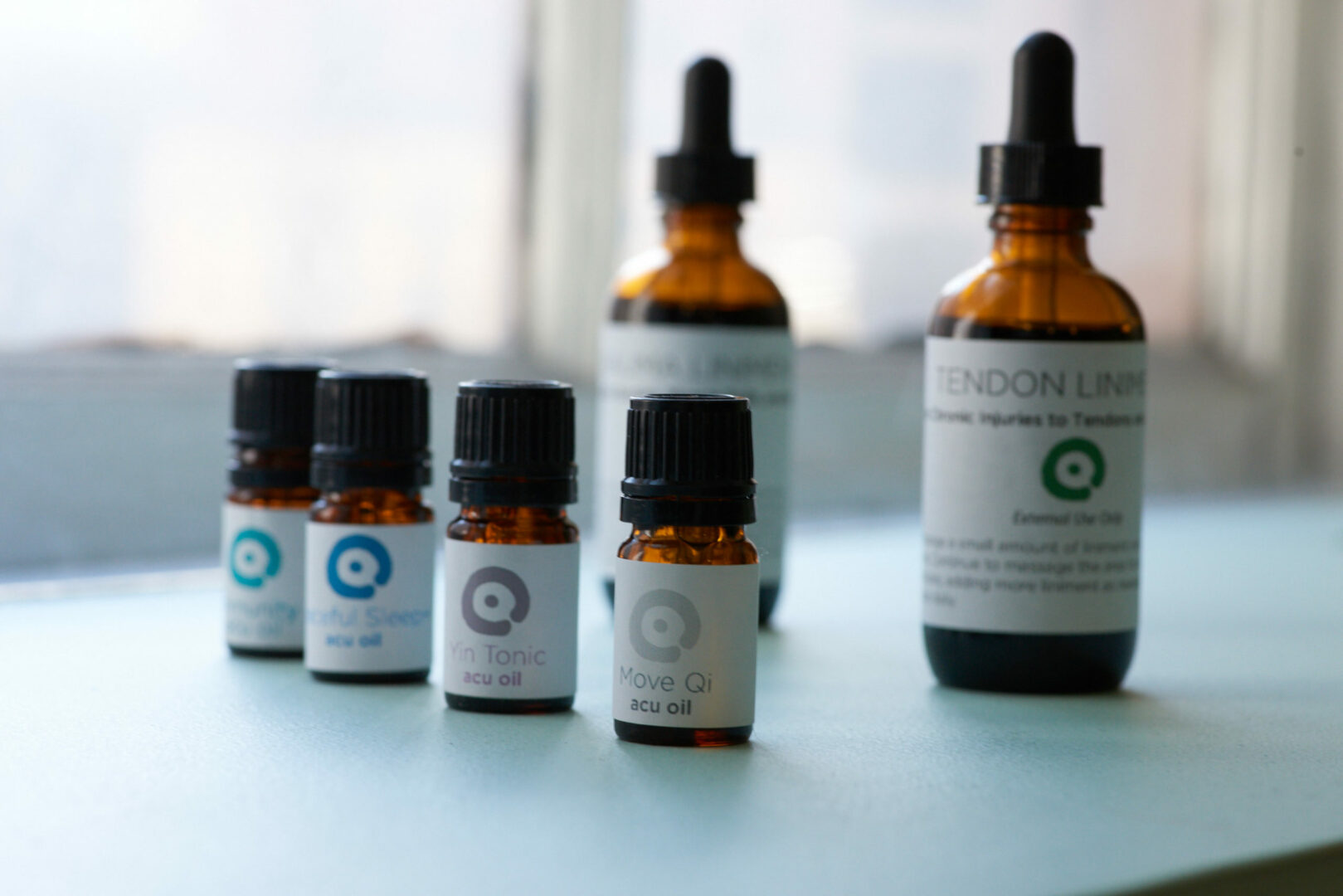
by Amber MilanovichEssential oils are awesome. My top five reasons for loving them. Essential oils have a wide range of …

In acupuncture, one of the goals is to balance heating and cooling aspects of the body. Now, as we move …
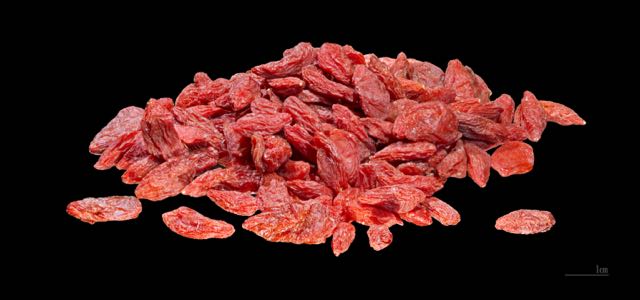
There are many reasons to love smoothies; they’re delicious, healthy, and portable! A well-made smoothie can provide you with a …
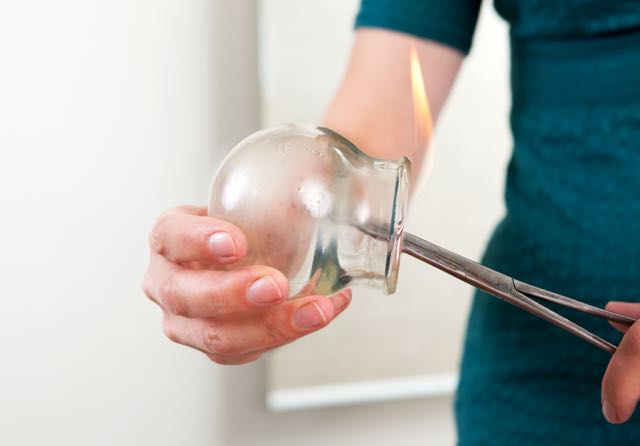
The sight of Michael Phelps, at the 2016 Rio Olympics, with circular bruises on his shoulders not only showcased his …
Acupuncture is an obvious choice for patients with atopic eczema because it is safe and has been used for skin …
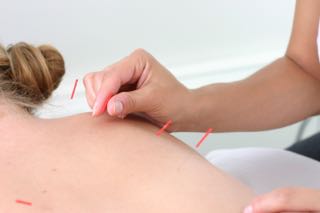
Does acupuncture hurt? No, acupuncture does not usually hurt when performed by a trained acupuncturists. There are many feelings associated …
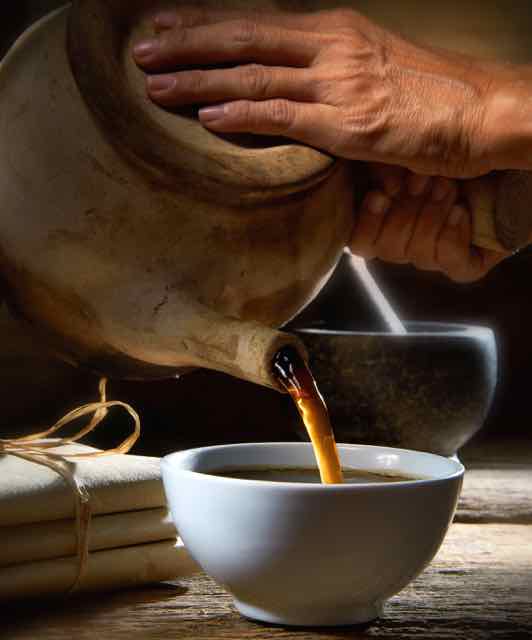
If you’ve ever drank a cup of Chinese Herbs, you know they taste unique. It can range from strong tea, …
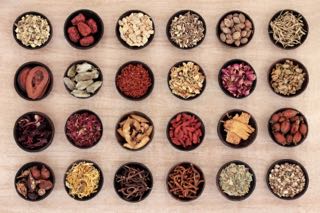
Traditional Chinese Medicine has a long history of promoting longevity and anti-aging therapies. Recently, research shows that Chinese medicine therapies …
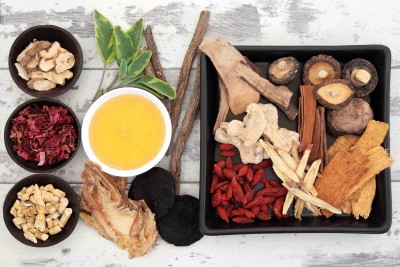
Acupuncture helps heal the whole person, not just the skin. In this success story I wanted to share about a …
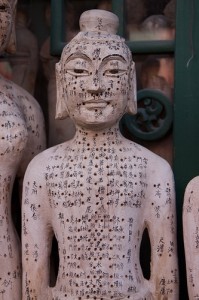
Old City of Fu Zhou Many people with chronic headaches take pain killers almost daily. But a report from the …

Sammy at the botanical gardens It finally warmed up here in New York (well kind of) and I was out …