Archive for the ‘Chronic Pelvic Pain Syndrome’ Category
The Acupuncture Map
Jan 23, 2012
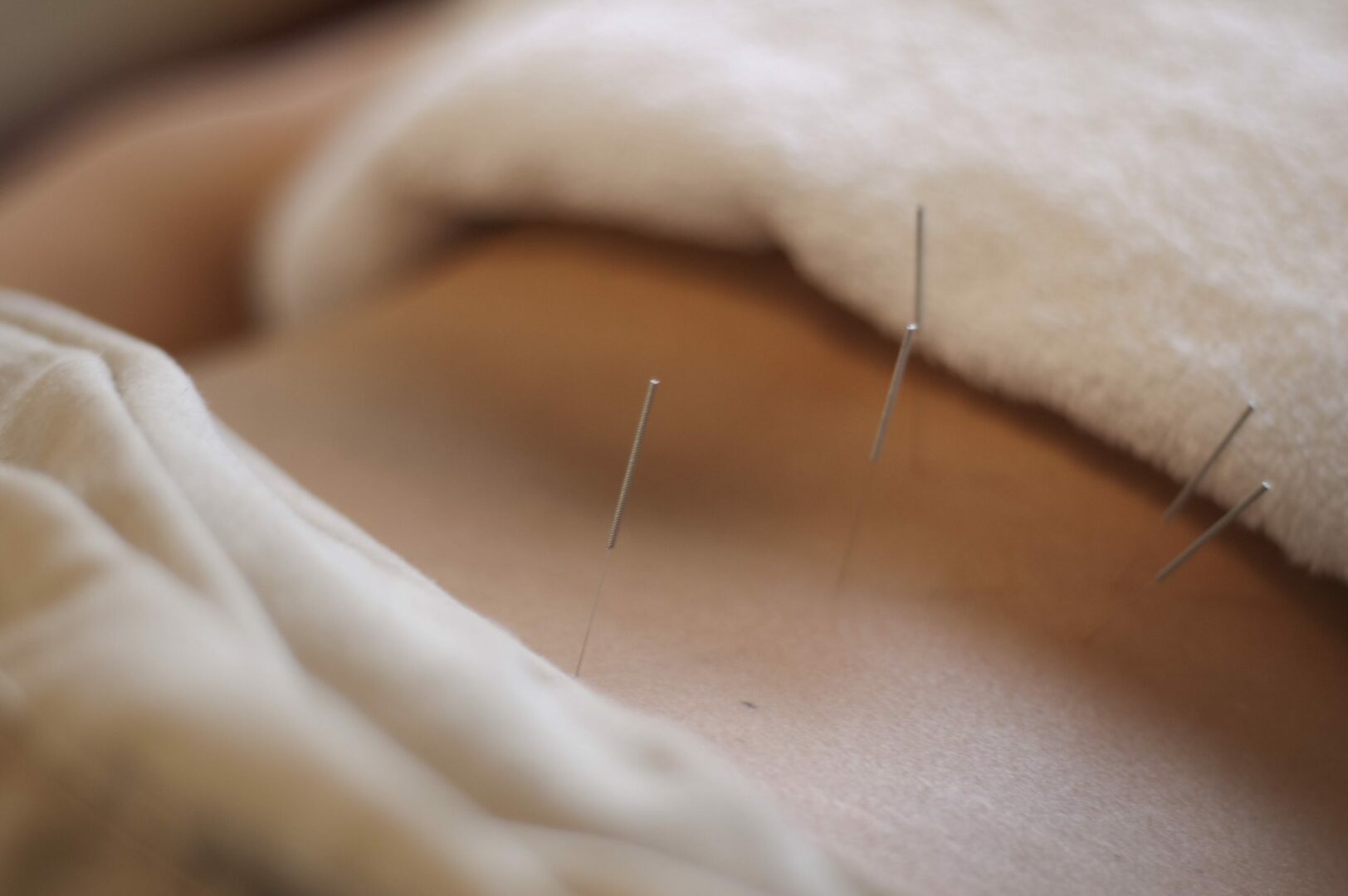
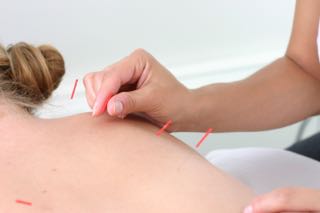
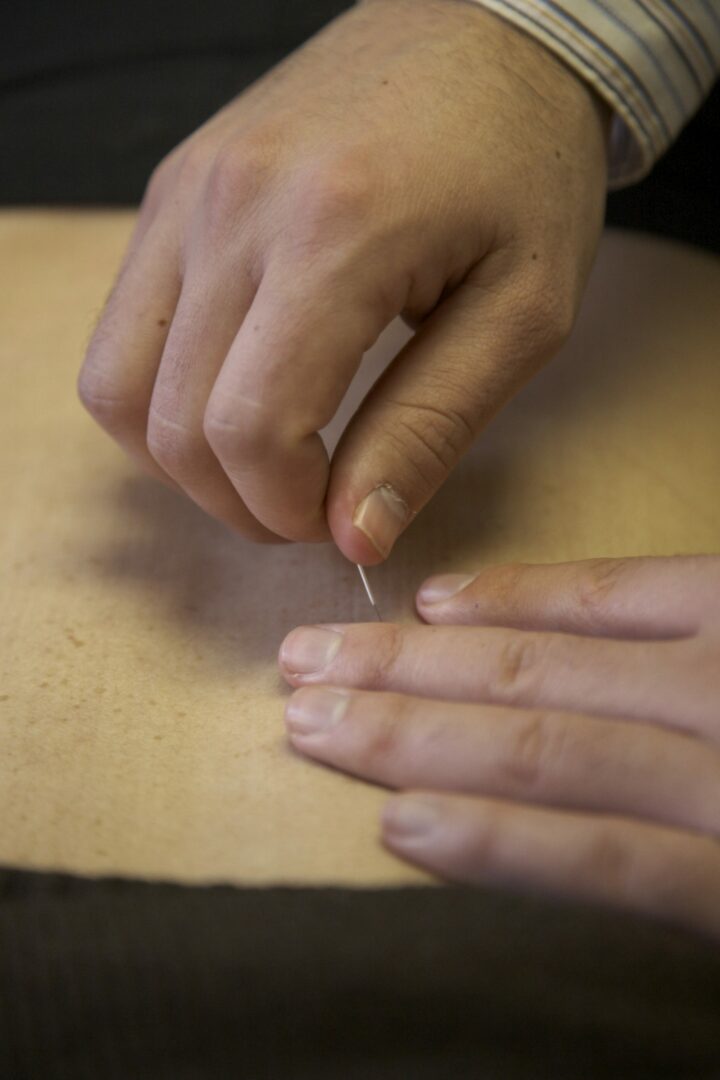
Acupuncture has a powerful ability to address pain all over the body. Often, the acupuncture treatment will focus on areas that are far away from the pain. For example, in Chronic Pelvic Pain Syndrome, the treatment will use many acupuncture points on the arms and legs. This is because the acupuncture channels can be used to reduce pain all along that particular channel.

Acupuncture Channels
I like to think of the acupuncture channels as an map of the body to address pain in specific areas. The acupuncturist will try to locate the area of the pain and determine which acupuncture channel is effected. The most powerful acupuncture treatment will address the acupuncture points for that specific channel.
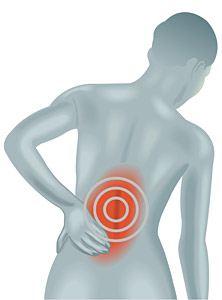
It is particularly important to focus on the proper acupuncture channel when treating complex chronic pain conditions, such as chronic pelvic pain syndrome. In chronic pelvic pain syndrome, the pain can be located throughout the pelvis, pelvic floor, genitals, hips, lower back, or buttock. Careful examination and precise location of the acupuncture points helps to create a more accurate and effective treatment.
The acupuncture points I select focus on the most effected acupuncture channels. For example, if there is pain and sensitivity on the lower abdomen or near the lower ribs, the GB channel may most effected. In this case, I would uses the acupuncture point GB 34 near the knee. If there is pain in the pelvic floor, the LIV channel is often imbalanced. I may choose points such as LIV 3 or LIV 5 on the lower leg or foot.
Acupuncture points close to the pain
In addition to acupuncture points far from the pain, some powerful acupuncture points will be located close to the pain. For chronic pelvic pain syndrome, many sensitive points are located on the lower abdomen, hips, and pelvis. These acupuncture points may also be used if they are tender or sensitive.
Integrative Urology
Jan 21, 2011
Integrative urology is essential. The field of integrative medicine is about how to best combine mainstream medicine and alternative medicine. It is essential because many people live with urologic conditions, such as chronic pelvic pain syndrome, chronic prostatitis, interstitial cystitis, and overactive bladder, without help. This impacts their work, education, social life, and overall wellbeing.
I have helped many people with these conditions in my New York acupuncture clinic. The acupuncture and Chinese medicine approach works to correct imbalances that are causing the condition. Mostly, urologic conditions are caused from inhibition of circulation and weakness of energy.
Here are the best posts about how acupuncture can help interstitial cystitis, chronic pelvic pain syndrome, chronic prostatitis, overactive bladder, and recovery from prostate cancer surgery.
Interstitial Cystitis
- What is Interstitial Cystitis?
- Acupuncture’s Approach for Interstital Cystitis
- Acupuncture for Interstital Cystitis
Chronic Pelvic Pain Syndrome
- More Research on Acupuncture for Chronic Pelvic Pain Syndrome
- Electroacupuncture works for Chronic Pelvic Pain Syndrome
- Chronic Prostatitis Without and Infection
- Acupuncture for Chronic Prostatitis and Chronic Pelvic Pain Syndrome
Overactive Bladder
Incontinence following Prostate Cancer Surgery
Review of Alternative Therapies for Interstitial Cystitis
Jan 18, 2011
If you are a reader of my blog and articles, you know that I am interested not only in the clinical effects of acupuncture, but also acupuncture research, and physiology of acupuncture. This is why it is unfortunate that there is a lack of studies for acupuncture and Chinese medicine treatment of Interstital Cystitis, a condition which I have very positive clinical result with acupuncture.
There is one published case study which describes the acupuncture treatment course of a 31 year old women with IC for 5 years. The treatment was very effective, over a course of 10 treatments there was a substantial reduction in pain and Interstitial Cystitis symptoms. More work like this should be published along with larger trials, and different approaches. There is also a very good article published at ITM Online about acupuncture for IC describing the theory of acupuncture and Chinese medicine for interstital cystitis.
There is a review of Complementary and Alernative medicine (CAM) therapies for IC which was published in 2002. It covers many different approaches to treatment and management, including acupuncture, Chinese herbal remedies, physical therapy, biofeedback, amongst others. They conclude, and I agree, that a combination approach is often the most effective method for at managing this condition. Which is why I combine acupuncture, acupressure, and sometimes, herbal remedies for my patients with interstital cystitis.
On the other hand, grouping so many different therapies into one analysis makes it difficult to explore any one of the modalities on its own. Each of the different CAM approaches, like acupuncture, homeopathy, and physical therapy have their own theories of diagnosis and treatment. Each must be examined on their own. Which bring me back to my original point, the unfortunate state that there has not been much research on acupuncture or Traditional Chinese Medicine for IC.
Acupuncture’s Approach to Interstitial Cystitis
Dec 13, 2010
Interstitial cystitis is something I often treat in my acupuncture clinic. This is the second in a series on acupuncture for interstitial cystitis. In this post I will tell you about how acupuncture can reduce pain, inflammation, and urinary urgency for interstitial cystitis.
Acupuncture’s Approach to Interstitial Cystitis
Over two thousand years ago, acupuncture physicians described a syndrome which is characterized by painful and frequent urination. Accompanying symptoms can be tenderness in the lower abdomen, a feeling of incomplete urination, sexual dysfunction, changes in the color of urination, urinating at night, and also mental health issues such as depression and anxiety. Although they were not speaking specifically about interstitial cystitis, these same principles can be used to create an effective acupuncture treatment.
Urinary symptoms along with other systems are considered to paint a picture of the underlying imbalance that is causing the disease. Common imbalances for interstitial cystitis are qi (energy) weakness, qi stagnation, and heat. It is not uncommon for women to suffer from more than one of these imbalances.
People with Qi weakness, or lack of energy are often tired and have digestive problems. This can cause frequent urination, urination at night, and a feeling of fullness in the abdomen. Qi stagnation is a lack of circulation of the energy and can cause pain, bloating, and muscle spasms. Heat is also a frequent cause of interstitial cystitis symptoms. Heat in the body can cause dryness, burning urination, abnormal sweating, stiff joints, and headaches. Often, heat is a reflection of inflammation.
Once the proper imbalance is identified, the acupuncture point prescription is tailored to correct that imbalance.
How does acupuncture treat interstitial cystitis?
Traditional Chinese Medicine works by identifying specific imbalances in the body and using acupuncture, Chinese herbs, and acupressure to correct them. Physiologically, acupuncture helps to reduce the symptoms of interstitial cystitis by decreasing inflammation, releasing pain relieving chemicals in the nervous system, and decreasing muscle spasm. Correcting the imbalance does not just treat the symptoms or mask the condition, but rather corrects the root of the problem by encouraging self-healing of the body.
If qi deficiency is the main issue, then acupuncture points such as Spleen 9, Kidney 7, on the legs, Ren 3, 4, and Kidney 12 on the abdomen, and Lung 9 on the arms can be used. If there is qi stagnation, acupuncture points such as Liver 3, Liver 5,and Liver 8, and Large intestine 4 can be used. If there is heat, acupuncture points such as Kidney 2 and Liver 2, Large intestine 4, Large intestine 11, and San Jiao 3 are often used.
Auricular, or ear, acupuncture is very helpful for pain and spasm of the bladder. Points such as bladder, ureter, pelvis, and the spirit gate are helpful. Often, I will use small magnets on these points to stimulate them in between acupuncture treatments.
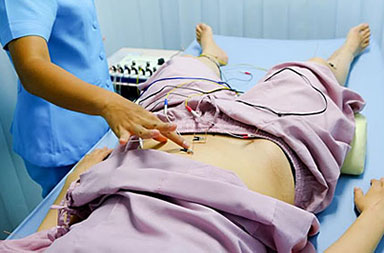
Massage and trigger point stimulation helps to support the acupuncture in relaxing the muscles of the hips and pelvis. Sometimes electroacupuncture on the lower abdomen, lower back, or pelvis can help relax the bladder and pelvic muscles. This can relieve the constant feeling of fullness and urgency in the bladder.
The results of a acupuncture are cumulative over a series of treatments. Once the imbalance is corrected, the body can work to heal itself and can result in long lasting benefit. Relaxation techniques such as breathing exercises and meditation can be a vital support for relieving stress and preventing the tension from returning.
What is Interstitial Cystitis?
Dec 13, 2010
Interstitial cystitis (IC) is a condition that causes pelvic pain, frequent urination, urgent urination, and sexual dysfunction. Both men and women can get IC, although it occurs mostly in women. People with IC can have symptoms similar to a urinary tract infection, but without an infection (1). Often, there is painful, frequent, urgent, inhibited, or incomplete urination. Sometimes there may be blood in the urine. There may be a dull feeling of fullness in the lower abdomen and bladder. The pain in the bladder can be intense or dull, and sometimes it is located in the pelvis, or on the pelvic floor.
These symptoms can resemble many different conditions. It is important to see a urologist to get a complete exam to rule out other illnesses.
Causes of Interstitial Cystitis
The exact cause of interstitial cystitis is not entirely understood and probably has many factors. Although it is not known to be caused by a urinary tract infection, many women who develop interstitial cystitis have recently been treated with antibiotics for this (1). Some women will have bladder inflammation, but most do not.
Many women with IC have tightness and sensitivity in the pelvic floor, which may be a factor in the condition. Emotional stress is also an important factor. It is possible that stress causes muscles to become tight and spasm, which leads to a cycle of inflammation and pain.
Acupuncture for Interstitial Cystitis
Acupuncture can help to reduce the symptoms of interstitial cystitis by decreasing inflammation, relieving pain, and muscle spasm. In my next post I will write more about acupuncture’s approach to interstitial cystitis treatment.
Interstitial Cystitis Resources
- National Kidney and Urologic Diseases Information Clearinghouse
- Interstitial Cystitis Association
- Interstitial Cystitis Network
References:
1. Genitourinary Pain and Inflammation: Diagnosis and Management . Ed. J.M. Potts. Humana Press. NJ
More Research on Acupuncture for Chronic Prostatitis
May 11, 2010

Acupuncture Channels
Previously, I have written about acupuncture and chronic pelvic pain syndrome and chronic prostatitis (CP/CPPS). This condition causes chronic pain, urinary symptoms, and sexual dysfunction in men. I use acupuncture very often to relieve these symptoms.
A number of small studies focusing on acupuncture for CP/CPPS have shown positive results. I previously wrote about a study using electroacupuncture. Today, I will tell you about another study that also showed acupuncture to reduced pain, urinary symptoms, and improved overall quality of life (1).
The Study
A small pilot study was created using a standardized acupuncture treatment based upon traditional principles of TCM theory. The basic idea is that when there is pain, there is an imbalance in the circulation of qi in the body. An old saying in Chinese medicine states, “When there is no movement, there is pain. When there is movement, there is no pain.”
They created a standardized acupuncture treatment by choosing points that are known to “move the qi and blood and relieve pain” . The treatments were given twice a week for six weeks.
The results
After the treatment was finished, the men in the study had a decrease in pain, an increase in functioning, and improvement in overall quality of life. This improvement remained for the 6 week followup.
It is important to see that acupuncture effects both the mind and the body. CP/CPPS does not just cause pain, discomfort, and dysfunction, it also effects the emotional well being as well. It causes anxiety, depression, and a major disruption in your life.
This reinforces what we have known for a long time- acupuncture has a holistic effect, benefiting both the mind and body.
What does this mean?
This study, and the others, show that acupuncture may have an effect on reducing pain and improving the lives of men with CP/CPPS. This is a great approach for a pilot study. Larger studies are needed for stronger proof of acupuncture’s efficacy in this condition.
As the research into CP/CPPS develops, it would be exciting to examine an individualized treatment approach, which is how I and most other acupuncturists treat in our clinic. Individualized treatment may provide more substantial, quicker, and are more resilient results than a standard treatment.
More than just acupuncture
Chinese medicine is more than just acupuncture. It is a system of healing which includes many types of therapy. The combination of therapies work in a synergistic manner for faster and long lasting relief. For example, in addition to acupuncture, I often use Chinese herbs, gua sha, acupressure, and cupping as well.
A relatively new approach to incorporating a realistic treatment in research is called the Whole Systems’ Approach. In this type of research, acupuncturists are allowed to treat the patient using any aspect of TCM they would normally use in their own clinic, as opposed to using acupuncture alone. This has a stronger relationship to what happens in the real clinic and potentially is very exciting for clinicians and the research world.
A wonderful example of this is a study currently being run at the University of Arizona focusing on TCM for Tempomandibular Joint Dysfunction.
Read more on Chronic Prostatitis and Chronic Pelvic Pain Syndrome:
- Acupuncture for Chronic Prostatitis and Chronic Pelvic Pain Syndrome
- Chronic Prostatitis Without an Infection
- Electroacupuncture works for Chronic Pelvic Pain Syndrome
- Acupuncture and the Mind Body Connection
1. Capodice JL, Jin Z, Bemis DL, et. al. A pilot study on acupuncture for lower urinary tract symptoms related to chronic prostatitis/chronic pelvic pain. Chin Med. 2007 Feb 6;2:1.
Electroacupuncture works for Chronic Pelvic Pain Syndrome
Jun 12, 2009
Chronic pelvic pain syndrome (CPPS) is the most common form of prostatitis, yet not many clinicians know how to treat it. Acupuncture for Chronic Pelvic Pain Syndrome is very effective.
A recent research study is also supporting the use of electroacupuncture to relieve chronic pelvic pain in men (1).
Electroacupuncture and Chronic Pelvic Pain Syndrome
Electroacupuncture is when electric stimulation is attached to the acupuncture needles. It is generally used for pain relief.
This is the first randomized study to show that electro-acupuncture reduces pain in men with CPPS. They used only six standard acupuncture points on the sacrum and buttock. There was also a placebo acupuncture group, in which the patients received acupuncture at non-acupuncture points. Lastly, they had a group that was instructed in relaxation techniques and used a sitz bath.
After 3 weeks the men with electro-acupuncture experienced a greater relief than the other two groups. After 6 weeks, the pain was nearly cut in half. There was also a reduction in prostaglandin E, an inflammatory marker, in the electroacupuncture group alone.
Beyond the research
This is great news for men with CPPS. These results support the use of acupuncture for relieving pain with CPPS. Hopefully, this will encourage men with CPPS to find help through acupuncture.
As much of great medical research does, this study provides valuable answers as well as more questions.
I would like to see researchers go further into examining the acupuncture methodology to see if they can produce more powerful results. For example, I believe that the best acupuncture is done through individualized diagnosis and treatment which addresses the underlying imbalance causing the pain. This type of treatment is based in Chinese medicine theory and practice. It will reduce inflammation and muscle spasm, as well as correct the imbalance that is causing the disease. This could be done through a study that includes an individualized treatment group.
Second, I would like to see a study address questions of how the acupuncture can best reduce the pain. Should the electro-acupunture be set at 4HZ, 100 HZ, 200HZ, or a mixed pattern? What is the optimal time dosage? Another great question is to look into if the length of the needle affects the outcomes.
Through these type of question, we can search to find the optimal method that not only reduces pain, but eliminates the pain totally.
References
1. Lee SH, Lee BC.Electroacupuncture relieves pain in men with chronic prostatitis/chronic pelvic pain syndrome: three-arm randomized trial. Urology. 2009 May;73(5):1036-41.
Chronic Prostatitis Without an Infection
Jan 16, 2009
Chronic prostatitis sounds like it is a chronic bacterial infection of the prostate. But in fact most men that have chronic prostatitis symptoms do not have any bacteriaal infection. This is called Chronic Pelvic Pain Syndrome (CPPS) and is classified as Chronic Prostatitis Category III. CPPS is the most common form of chronic prostatitis.
If you have Chronic Pelvic Pain Syndrome then you can suffer from generalized pelvic pain, urinary problems, and sexual dysfunction. Urination can be painful, frequent, urgent, or inhibited urination. The pain can be intense or dull. It can be located on the pelvic floor, in the genitals, lower back, the lower abdomen, in the back of the legs, or other areas. CPPS affects every aspect of your life causing depression, lost work, and difficulty in relationships.
The exact cause of Chronic Pelvic Pain Syndrome is not entirely understood. Of course, Chronic Bacterial Prostatitis is caused by a bacterial infection. But men with CPPS have symptoms without an infection. Some men who have CPPS symptoms have inflammation, but most in fact do not have any inflammation. It is possible that CPPS is caused by referred pain from muscle tightness throughout the pelvis and back. Contracture of smooth muscle such as the bladder may lead to the frequent and or painful urination. Emotional stress is also important. Stress causes muscles to become tight and spasm. This can cause a significant amount of pain.
Is there a treatment for CPPS?
Yes, there is. Although they are often prescribed, antibiotics are not effective because CPPS is not caused by bacteria. Manual therapies, combining both western physiology and massage and eastern theories of acupuncture and Chinese medicine, is perhaps the most powerful way to address this condition.
These holistic treatments will naturally corrects the underlying cause of the disease and provide a holistic approach to healing. Traditional Chinese Medicine works by identifying specific imbalances in the body and using acupuncture, Chinese herbs, and acupressure to correct them. Correcting the imbalance does not just treat the symptoms or mask the condition, but rather corrects the root of the problem by encouraging self-healing of the body.
Massage and trigger point stimulation helps the acupuncture to relax the muscles of the hips and pelvis. Sometimes electric stimulation is needed to help relax the muscles of the pelvis. The results of a combination treatment are long lasting. Relaxation techniques such as breathing exercises, tai ji, or yoga should also be done to relieve stress and prevent tension from returning.
Acupuncture for Chronic Prostatitis Category III: Chronic Pelvic Pain Syndrome
Jan 12, 2009
Joseph Alban, M.S., L.Ac, was recently featured in the British Journal of Urology International for acupuncture treatment of Chronic Prostatitis/Chronic Pelvic Pain Syndrome. (updated May 1st, 2013)
Men with Chronic Pelvic Pain Syndrome (CPPS), or Chronic Prostatitis Category III, suffer from pelvic pain, painful, frequent, urgent, or difficult urination, as well as sexual dysfunction. The pain can be intense or dull and is generally located on the pelvic floor, in the genitals, lower back, or the lower abdomen. These symptoms can be severe and affect all aspects of your life, resulting in depression, lost work and educational opportunities, and trouble in relationships. CPPS is the most common form of chronic prostatitis.
What Causes Chronic Pelvic Pain Syndrome?
The exact cause of Chronic Pelvic Pain Syndrome is not entirely understood. Prostatitis was originally thought to be caused by inflammation caused by a bacterial infection. But many men have symptoms without an infection (1) Some men who have CPPS symptoms do not even have any inflammation. Some physicians believe that CPPS may be caused by referred pain from muscle tightness in the pelvis and back, contracture of smooth muscle such as the bladder, emotional stress, and inflammation after an infection. Intrapelvic congestion of fluids may also be a factor (2).
How does acupuncture help treat Chronic Pelvic Pain Syndrome?
Treating CPPS requires a holistic approach addressing that naturally corrects the underlying cause of the pain and distress. Acupuncture and Chinese medicine provide a holistic approach to healing and are effective treatments to relieve the pain, improve sexual function, and decrease urinary problems, as well as relief depression associated with Chronic Pelvic Pain Syndrome. Acupuncture is also a natural treatment, so as opposed to many of the medications for CPPS, there are very few side effects.
In fact, Chinese medicine’s 2000 years of history could possibly make it the most used treatment for Chronic Pelvic Pain Syndrome of all time. In one of Chinese medicine’s earliest text called Elementary Questions, TCM has described the diagnosis and treatment many syndromes characterized by painful, frequent, and urgent urination with pain and distention of the lower abdomen and pelvis (3). Of course, this syndrome was not called Chronic Pelvic Pain Syndrome or Chronic Prostatitis at the time. But the practice of Chinese medicine has shown that those same principles of diagnosis and treatment are effective when applied to the symptoms caused by Chronic Pelvic Pain Syndrome.
Traditional Chinese Medicine has a holistic approach to diagnosis and treatment, identifying specific imbalances in the body and using acupuncture, Chinese herbs, and acupressure to correct them. Correcting the imbalance does not just treat the symptoms or mask the condition, but rather corrects the root of the problem by encouraging self-healing of the body. Generally, the root cause of painful urination, voiding difficulties, and depression is an imbalance of the body’s vital energy, or qi. The two most common imbalances in qi that cause CPPS are when there is too little qi or when the qi circulation becomes impaired. One way acupuncture and Chinese herbs work is by helping to improve the circulation and the amount of qi.
Those with too little qi may experience the symptoms of poor digestion, bloating, loose and sticky stools, fatigue, shortness of breath, sinus headaches, soft voice, cold limbs, a weak pulse, and pale tongue. Qi stagnation, when the qi is not circulating well, can also cause pain. Those with qi stagnation will often get a cold after a stressful or emotional situation. They also may be prone to headaches, irregular bowel movements, ribside pain, irritability, anger, and depression.
Physiological, acupuncture works to reduce pain and inflammation through regulating neural pain pathways, stimulating the release of natural pain relievers in the body, such as opioids, as well as regulating pain relieving opioid receptors. Many studies have also shown acupuncture to have a anti-inflammatory effect, reducing the circulating inflammatory hormones in the blood (4).
What is the Acupuncture and Chinese Medicine treatment like for Chronic Pelvic Pain Syndrome?
Chinese medicine works best as a combination therapy that includes acupuncture, tui na (acupressure), and other therapies such as cupping. Chinese herbs are also effective and may be required for certain people. Acupuncture diagnosis and treatment focuses on identifying the specific root imbalance causing the condition and tailoring the treatment for you.
During the first visit, I will complete a medical history and an in depth physical examination, which focuses on an examination of acupuncture points and trigger points of the hips and pelvis. This information creates the picture of the specific imbalance causing the problem.
Acupuncture is most effective through a treatment course. The treatment should decrease pain and urinary complaints, and improvement in sexual function. Many men find rapid relief, within a week or two of beginning the treatment. For others, it may take longer to have an effect. Generally, patients come in for acupuncture once to twice a week depending on the severity, and gradually get acupuncture less frequently. The treatment generally lasts 3-4 months.
The pain and other symptoms are gradually lessened. It is like peeling off the layers of an onion until you correct the root cause of the problem. The results are usually long lasting and patents have few symptoms.
References:
1. Chronic Prostatitis/Chronic Pelvic Pain Syndrome (Current Clinical Urology). Daniel A. Shoskes (ed.) Humama, Totowa, NJ. 2008.
2. Honjo H, Kamoi K., Naya Y, et al. The Effects if Acupuncture for Chronic Pelvic Pain Syndrome with Intravenous Congestion: Preliminary Results. International Journal of Urology. 2004 Aug; 11(8): 607-612.
3. Wiseman N, Feng Y. A Practical Dictionary of Chinese Medicine. Brookline, MA: Paradigm; 1998:583.
4. Napadow V, Ahn A, Longhurst J, et.al. The Status and Future of Acupuncture Mechanism Research. J Altern Complement Med. 2008 September; 14(7): 861–869.