
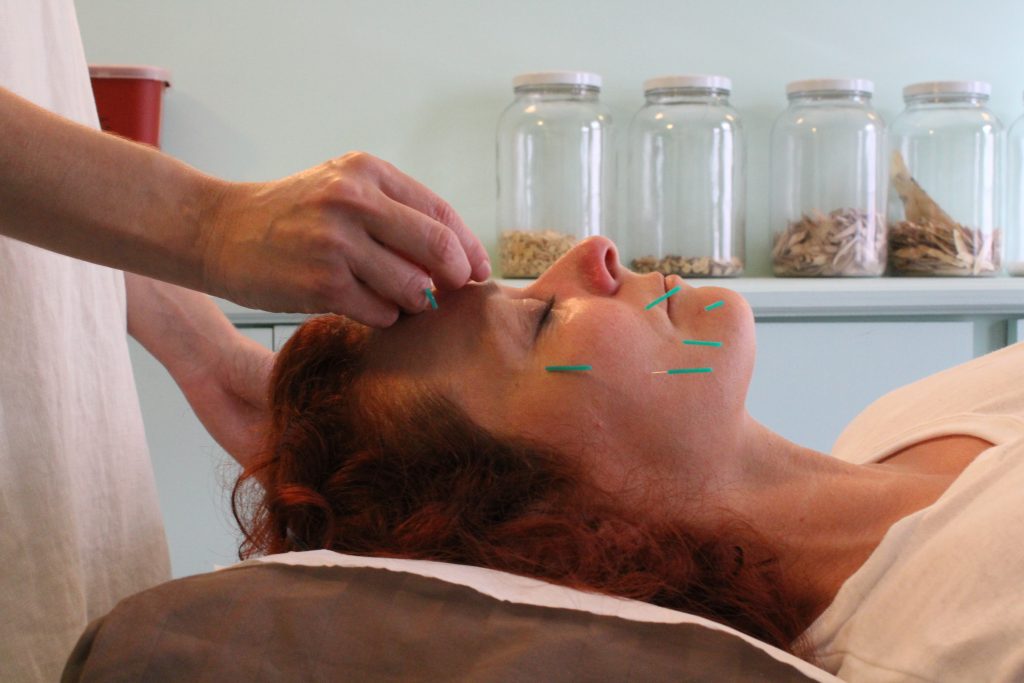
Acupuncture is an effective treatment for rosacea, a chronic skin condition that causes facial redness, visible blood vessels, and inflamed, red bumps.
Because rosacea affects the face, it is often challenging and embarrassing for patients. In my practice of over 20 years, I typically combine acupuncture with Chinese herbal medicine to treat rosacea. Most patients begin to see a visible reduction in redness and flare frequency within 3-6 treatments.
When we treat the underlying imbalance, you can see long-term improvement in your skin.
The Causes of Rosacea
In acupuncture, we think about health as balance. Imbalances lead to illness, and in TCM theory, rosacea reflects an imbalance of hot and cold in the body. This is why rosacea can flare in the sun and heat, or from spicy foods and wine. These foods or environmental exposures are thought to stir up heat in the body, leading to a flare. Stress and strong emotions held over long periods are also thought to generate heat internally.
Many people with rosacea also have digestive problems. A 2024 study found that Small Intestinal Bacterial Overgrowth (SIBO) is more common in people with rosacea than in the general population.1 Chinese medicine doctors have long recognized a connection between digestive issues and rosacea, and improving digestion is often a component of a holistic treatment plan.
Individualized Diagnosis
The successful treatment of rosacea depends upon individualized diagnosis and customized treatment. To determine the specific underlying imbalance, I gather information during the initial consultation, including when the condition started, digestive symptoms, feelings of hot and cold, and known triggers. The appearance of the skin itself is also an important factor in identifying the underlying pattern.
Finding the Underlying Pattern
The most common underlying imbalances causing rosacea are heat of the lung and stomach, and blood stagnation. Rosacea that causes redness on the cheeks and nose, comes and goes, and worsens with heat tends to reflect lung and stomach heat. Rosacea that has been stubborn for a long period, with visible blood vessels developing, tends to reflect blood stagnation. Larger, pus-filled bumps reflect a stronger degree of heat.
Treatment Approach
Each patient receives a personalized treatment plan. Acupuncture points are chosen based on each person’s specific symptoms and presentation. Some points are placed on the face, close to the areas affected by rosacea. Facial acupuncture is thought to help change microcirculation in the face, contributing to improvement in rosacea.2
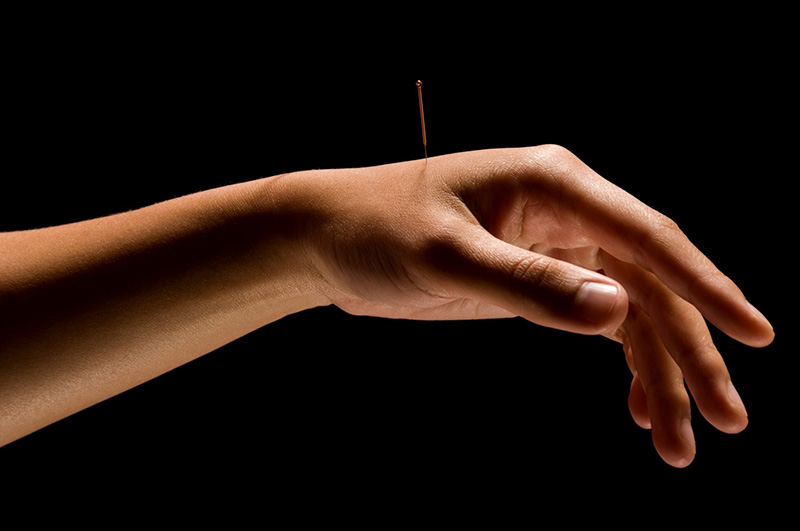
I also use points on the arms, legs, and abdomen along channels that connect to the face. This approach is intended to increase circulation, helping to break up stagnation and drain heat. Abdominal acupuncture is also used to help improve digestion and gut health, given the connection between rosacea and digestive imbalance.
Cupping on the back is a technique I frequently use as well, intended to help reduce inflammation and clear heat.
Herbal Medicine for Rosacea
Chinese herbal medicine is a core part of how I treat rosacea and is usually given alongside acupuncture. For patients who find it difficult to come into the office, herbal medicine can be the primary treatment technique.
Herbal formulas are a combination of different herbs, each selected for a specific therapeutic action and combined to match the patient’s overall pattern. Some herbs clear heat and reduce inflammation, others invigorate blood circulation to resolve stagnation, and others support digestion, since digestive health is closely tied to skin outcomes in rosacea. Rather than a single herb, a formula typically combines eight to fifteen herbs working together, adjusted in dosage and combination to fit the individual.
In my practice, herbal medicine is usually given as granules which you will dissolve in hot water and take like a strong tea. I’ll also use topical washes and creams made from herbs suited to clearing heat and calming inflammation at the skin’s surface. Using internal and topical herbs together is intended to address both the underlying pattern and the visible skin symptoms at the same time.
Herbal formulas typically get adjusted over the course of treatment as the skin and underlying pattern change. Initially, treatment focuses on clearing the excess causing inflammation. As symptoms improve, the formula shifts toward harmonizing and consolidating those gains.
TCM treats the whole person, often addressing several issues at once alongside the primary complaint. This whole-person approach is why the initial intake covers more than just the skin — digestion, temperature sensitivity, and other patterns all inform the herbal formula over time.
What to Expect
Rosacea acupuncture treatment typically begins with a weekly treatment. Most patients begin to notice a visible reduction in redness and flare frequency within 3-6 treatments. A full course of treatment is usually about 10-12 visits. This varies depending on how long the condition has been present and its severity. It also may be shortened by using herbal medicine alongside acupuncture.
Once symptoms stabilize, treatment frequency is usually reduced to a maintenance schedule, spacing out visits as the skin holds its improvement. Herbal formulas are adjusted at each stage as well, shifting from clearing excess early on to harmonizing and consolidating gains later in treatment.
Rosacea is a chronic condition, and while many patients see significant improvement, triggers like sun, heat, spicy food, and stress can still cause occasional flares. Ongoing acupuncture and attention to known triggers help maintain results over time.
Feel Better, Get Acupuncture
Acupuncture and Chinese herbal medicine offer a personalized approach that treats the underlying imbalance, not just the surface redness, with the goal of lasting improvement rather than temporary relief.
If you’re dealing with rosacea and want a treatment plan built around your specific pattern and triggers, I’d be glad to discuss your case. You can schedule your appointment online or call us at 212-319-5757.
References:
- Nelson JM, Rizzo JM, Greene RK, Fahlstrom K, Troost JP, Helfrich YR, Nakamura M. Evaluation of Helicobacter Pylori and Small Intestinal Bacterial Overgrowth in Subjects With Rosacea. Cureus. 2024;16(10):e72363. doi:10.7759/cureus.72363
- Gao Y, Lin W, Zhou S, Shi G, He J, Chen Y. Treatment of Rosacea using acupuncture for improving the local skin microcirculation: A case report. Medicine. 2018;97(34):e11931.
Feedback from a client
“I was in a lot of pain with rosacea. Dr. Alban focuses on healing at a holistic level, working to rebalance “heat” in the body. After speaking with me at length about my specific skin experience and challenges, Dr. Alban set up a protocol of weekly acupuncture treatments augmented by medicinal herbs (in the form of tea). Only three months later, my frequent rosacea flare-ups are gone; my overall health is significantly improved; and, I am looking forward to maintaining rosacea-free skin. Dr. Joseph Alban is an extraordinary practitioner and researcher, and I enthusiastically recommend him without reservation. ”
~ Grace, New York