
Lichen planus causes an itchy, sometimes painful rash that can affect the skin, mouth, nails, or scalp. Chinese medicine offers a natural approach to treating lichen planus, using herbal medicine and acupuncture to calm inflammation and itching at the root rather than just managing the flare-ups.
Chinese medicine has been treating skin conditions like lichen planus for over 2,000 years. In my over 20 years of clinical experience treating lichen planus and other skin conditions, I’ve found that Chinese medicine therapies reduce inflammation and itching while leading to long-term improvement by reteaching the body to heal itself.
Chinese medicine achieves this by addressing the root imbalance behind the condition rather than just the surface symptoms. Once the underlying imbalance is corrected, long-term healing follows. I’ve found that the right combination of Chinese herbal medicine teas and topical herbal therapies provides profound, lasting relief for patients with lichen planus.
Symptoms of Lichen Planus
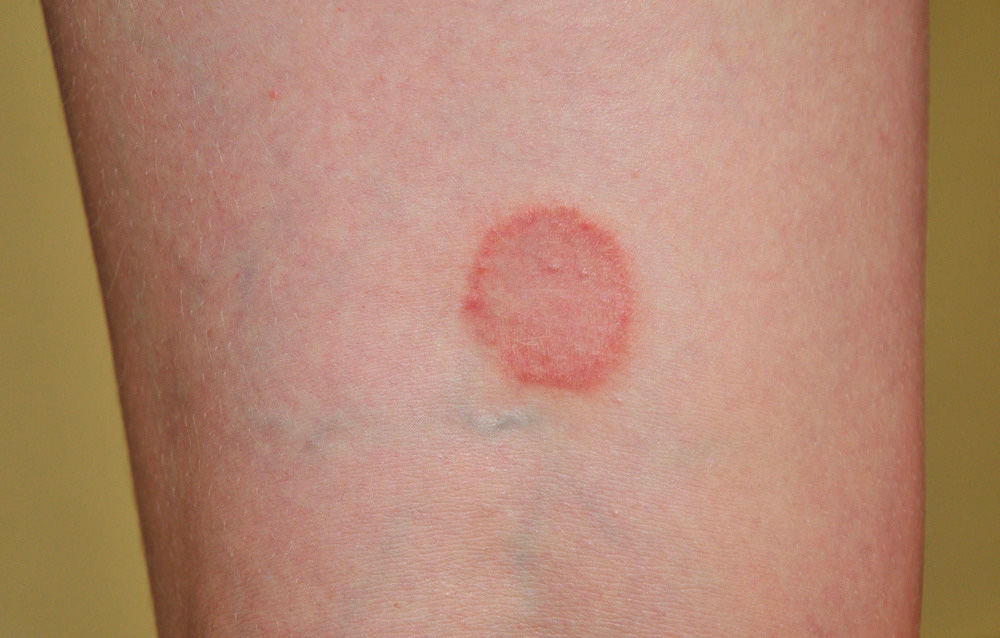
Lichen Planus is an inflammatory skin condition characterized by itchy, non-infectious rashes. This can affect the skin, hair, nails, and mucous membranes.
Lichen planus manifests differently in individuals, but the following are common symptoms:
Purplish, flat bumps: These can be itchy and may develop anywhere but are often found on the inner arms, wrists, or ankles, as well as genitals. Itching can occur at the site of skin lesions.
Mouth or tongue: These lesions might appear as white spots or lines, and may be associated with a burning sensation, pain, or tenderness.
Hair and scalp: Lichen planus of the scalp is called Lichen Planopilaris (LPP). This condition leads to redness, irritation, and permanent hair loss.
Nails: Nails can become thin and ridged, and severe cases may lead to loss of the nail entirely.
Genital lichen planus can occur in both men and women. This may result in redness and irritation, white, lacy patches, and painful shallow ulcers on the genitals.
Lichen Planus in Chinese Medicine
Traditional Chinese Medicine is a holistic health system that views health as a state of balance. Disease occurs when there are imbalances in the body. In TCM, lichen planus is attributed to the build up of heat, dampness, and wind.
Chinese medicine diagnosis for lichen planus is based upon the appearance of the skin as well as the medical history. We consider the whole person including your emotional well-being, sleep, digestion, and other health conditions. I will also observe your tongue and check your pulse.
This diagnostic process helps determine the specific disharmonies and patterns of disease. So two people with lichen planus might have different imbalances in Chinese medicine and therefore get different herbal formulas.
For example, purple lesions with white lines show heat with wind. If the lesions are thicker and the itch is intense, it may also have toxic heat. For genital lesions, the imbalance may be rooted in dampness or a deficiency of Qi, the body’s energy. If the condition is not as active with itch but the lesions have been present for a long period of time, yin deficiency may be a contributing factor. Additionally, qi and blood stagnation may be a factor in long-term illness.
Chinese Medicine Therapies
Chinese Herbal Medicine offers personalized treatments for lichen planus, which are customized according to each person’s imbalances. The treatment aims to correct the identified imbalances by using herbal medicine that specifically addresses those imbalances.
The herbs for heat aim to cool the blood and reduce toxicity. Herbs for dampness help to resolve dampness. Some herbs will moisten the skin and nourish Yin, or restore the smooth flow of Qi and blood.
Chinese herbal medicine can be a powerful treatment but it does take time. The usual treatment course is 3-6 months.
Herbal Medicine
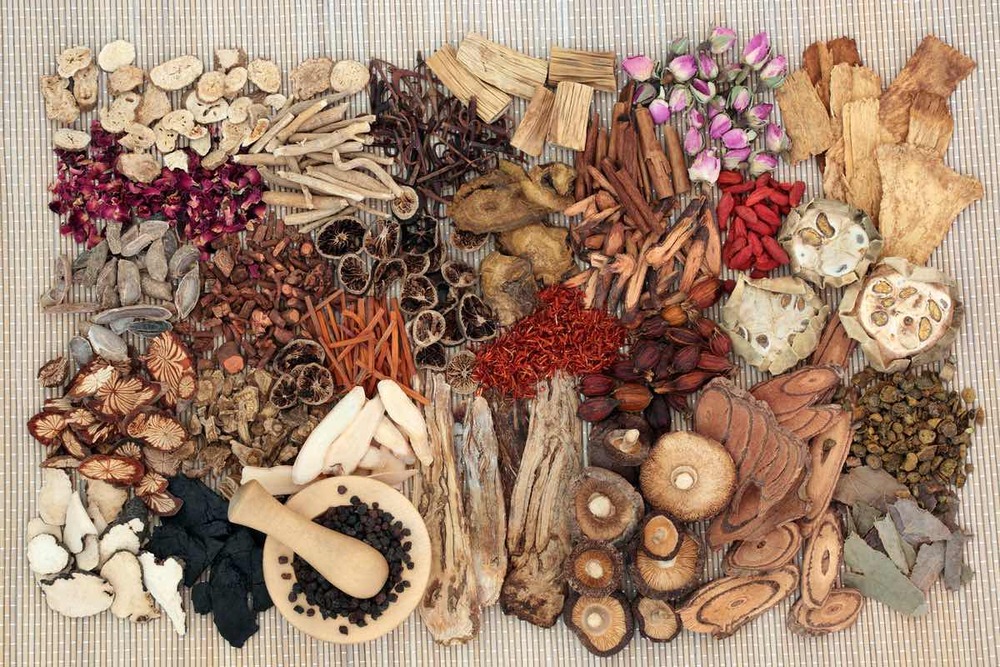
Herbal medicine is taken in the form of strong teas that consist of 8-15 herbs. These are specifically chosen to target the underlying imbalance causing the lichen planus. Chinese medicine may be extracted from whole raw herbs, granule powders, or herbal concentrates.
The herbs will be chosen to match your specific imbalance. For example, if your lichen planus is caused by blood heat, your formula may include Rehmannia (Di Huang), which cools the blood and nourishes Yin, as well as Cortex Moutan (Mu Dan Pi), which clears heat and moves the blood. But if it is from dampness or toxic heat, it may include Huangbai (Cortex Phellodendri), which clears damp heat, and Bupleurum (Chai Hu), which soothes Liver Qi stagnation.
The precise combination of herbs is tailored to your unique symptoms and imbalances. The herbal formula will be adjusted over time, reflecting changes in your condition and the stages of the treatment course.
In my clinical experience, herbal formulas that clear dampness as well as resolve qi and blood stagnation, bring real relief for patients with oral Lichen Planus. This matches what’s been observed in research as well: a formula called Huashi Xingyu Qingre, built on these same principles, was studied in a clinical trial of 30 patients with oral Lichen Planus. After 8 weeks of treatment, 93.3% of patients showed marked or full improvement, and blood testing confirmed the formula worked in part by calming the TNF inflammatory pathway, significantly reducing key inflammatory markers (IL-6, MMP-9, and ICAM-1) that were elevated compared to healthy individuals.¹
Chinese herbal medicine has shown promise for the treatment of oral Lichen Planus. A 2022 systematic review examining Traditional Chinese Medicine, Ayurvedic, and Japanese Kampo herbal treatments found that antioxidant and anti-inflammatory herbal compounds were effective against oral lichen planus across multiple clinical trials. 2
Topical Herbal Medicines
Topical applications can directly target skin lesions, providing relief from symptoms such as itching and inflammation.
The herbs may be used to make creams, ointments, or washes to reduce inflammation, reduce itch, and help the skin heal. These are particularly effective for lichen planus of the genitals.
While topical herbs are safe, it’s important to test a small amount first to ensure there is no adverse skin reaction.
Get Relief from Lichen Planus
Lichen planus can affect far more than your skin, touching your confidence, comfort, and daily life. Acupuncture and Chinese herbal medicine offer a natural way to address the underlying imbalance at its root, supporting long-term improvement rather than temporary relief.
Lichen planus is a complex condition with a multifactorial etiology and may affect the skin, nails, mouth, genitals, and hair. Chinese Herbal Medicine works by identifying and addressing these underlying imbalances. Through personalized diagnosis and customized treatment, I use a combination of herbal teas, topical herbal applications, and acupuncture to correct the underlying imbalance.
To schedule your appointment please call us at 212-319-5757 or schedule your appointment online.
This article is for educational purposes only and does not serve as medical advice. Please consult a Chinese Medicine Practitioner before taking Chinese herbal medicine.
References:
- Deng QL, Lu YT, Yan LJ, et al. Mechanism of Huashi Xingyu Qingre recipe in treating oral lichen planus based on network pharmacology and clinical trial verification. J Tradit Chin Med. 2022;42(2):304-313.
- Sahoo A, Jena AK, Panda M. Experimental and clinical trial investigations of phyto-extracts, phyto-chemicals and phyto-formulations against oral lichen planus: A systematic review. J Ethnopharmacol. 2022;298:115591.
Feedback from a client
Before my experience with Dr. Alban I had become increasingly isolated due to the lichen planus that had developed on my arms and legs. I was constantly covering my arms, even in hot weather, and would shy away from social events where I couldn’t conceal them adequately. The emotional stress was immense.
I’d nearly given up when I decided to try Chinese herbal medicine. I diligently followed a regimen recommended by Dr. Alban. Gradually, the lichen planus began to fade. The progress was slow but consistent until the skin was pretty much normal. The change was not just physical but emotional as well. I found myself becoming more outgoing, resuming social activities, and simply enjoying life more freely than I had in a long time.
Today, I can confidently say that I feel like myself again. Thank you Dr. Alban.
~ S.T., New York City