Learn Acupressure
Nov 7, 2012
At the moment, we do not have any acupressure classes scheduled. Feel free to e-mail us to be put on our waiting list.
In the meantime, here are some of our favorite acupressure articles.
- All About Acupressure: An Introduction
- Acupressure for Constipation
- Acupressure for Headaches
Open Center Acupressure Class
Oct 31, 2012
The introductory class for Acupressure for Self Healing at the New York Open Center is starting next week!
Monday November 5th 2012 at 6pm.
Interested in learning more about how you can use acupressure to relieve headaches, menstrual cramps, digestive problems, and improve overall health? Then you should come to my class at the New York Open Center in November 2012.
What is acupressure?
- Acupressure is a traditional Chinese healing art in which physical pressure is applied to acupuncture points with the hand (rather than with needles as in acupuncture), so it can be practiced by everyone.
How does acupressure work?
- Acupressure can helps to circulate and balance our qi (energy) to improve our overall health and wellness or help address specific conditions
What will I learn in the class?
- This course will introduce you to the basic concepts and practices of acupressure, including how to

Rolling is a Tui Na Technique
locate points, how to diagnose imbalances in energy flow through the meridians, and how to apply pressure correctly. You’ll also learn some qigong breathing exercises and tui na massage techniques.
- By the end of the course, you’ll be able to use acupressure on ourselves and others to alleviate a range of ailments, including indigestion, PMS and menstrual cramps, headaches and migraines, back and neck pain, as well as to boost overall wellness and energy.
Mushrooms for Lowering Cholesterol
Oct 22, 2012
Mushrooms are phenomenally versatile organisms. Some are delicious, some are remarkable medicine, and some are both.
When it comes to mushrooms to lower cholesterol, you can have your mushroom and eat it too!
How can mushrooms lower cholesterol?
Mushrooms are inherently good at lowering cholesterol due to their high fiber and protein content. Mushrooms make great protein substitutes for high cholesterol foods. For example in Asian cuisine, mushrooms are often mixed in a meat dish which reduces the amount of meat that is eaten and adds flavor.
Shiitake Mushrooms
Shiitake mushrooms in particular have cholesterol lowering abilities as medicinal mushrooms.1 This ability to reduce cholesterol is due to eritadenine, a component of shiitake. Eritadenine helps to increase the excretion of cholesterol which can lower circulating levels in the blood.
In one study, 9 grams of dried shitake mushrooms eaten daily lead to a reduction of 9-12% of total cholesterol. Triglycerides were reduced by 6-7%. Because shiitake are not known to containing lovastatin, the active constituent in most cholesterol medication, it is safe to eat them if you are taking medication.
Shiitake have a particularly high percentage of protein and robust flavor which makes it a great meat substitute.
Oyster Mushrooms

Wild Oyster Mushroom: Courtesy of Cinnabar Foraging
Oyster mushrooms are very healthy and delicious. They’ve been touted for their cholesterol lowering capabilities because they naturally contain small amounts of lovastatin, the cholesterol lowering chemical that is widely used in cholesterol medication.
In nature, there are many strains of lovastatin, and the most potent comes from another fungus called Red Yeast Rice. Red yeast rice is used as the red dye for the famous dish Peking Duck.
Oyster mushrooms also have a wide range of anti inflammatory and hepatoprotective effects as well as the ability to reduce blood glucose levels. 1,2 This is why oyster mushrooms are a great way to improve overall health and protect against the deleterious effects of high cholesterol.
It is important to consult your physician before beginning a mushrooms products particularly if you are taking cholesterol medication.
1. Powell M. Medicinal Mushrooms: A Clinical Guide. Mycology Press. September 2010.
2.Khatun K, Mahtab H, Khanam PA, et.al. Oyster mushroom reduced blood glucose and cholesterol in diabetic subjects. KA.Mymensingh Med J. 2007 Jan;16(1):94-9.
Preventing the a Cold during the Change of Seasons
Oct 3, 2012
Every year in early October I blog about home remedies for the common cold. That’s because every year my patients come into the office coughing, sneezing, and with sore throats and ask me what to do.
Fortunately I don’t get a cold this time of year because I know a few techniques to prevent it.
Why do people get colds during the change of seasons?
Acupuncture and Chinese medicine explain that you are more susceptible to a cold because body’s energy, or qi, is stressed. The qi is responsible for your immune functioning. So when your qi is taxed, your immune system is also slightly run down.
How to boost your qi?
The good news is that there are many techniques to boost your qi.
Acupuncture for the common cold can be effective for boosting your qi to prevent a cold or help you get over it faster when you have a cold.
There are many Chinese herbs that help treat a cold. Ling zhi, a medicinal mushroom, is excellent for boosting your immune system. Gan mao ling, the common cold formula, is effective for treating the first stages of the common cold.
Eating delicious aromatic vegetables can help prevent you from getting a cold. Trying making a vegetable soup for the change of seasons.
Other home remedies, such as gargling with apple cider vinegar or salt are effective for making the environment of your throat and respiratory system inhospitable for viruses.
Acupressure to stop your eye twitching
Oct 2, 2012
Eye twitching is annoying. A fluttering eye will buzz on and off throughout the day causing distraction and frustration. Sometimes, the fluttering can be quite strong leading to total closing of the eye and impairing your vision.
Most often eye twitching is caused by stress, fatigue, use of alcohol, or irritation of the eye. In some, the eye twitch becomes chronic which is called benign essential blepharospasm. Benign essential blepharospasm not only is annoying but can lead to periodic trouble seeing.
In a very small number of individuals, chronic eye twitching is a sign of a neurological condition. If the eye twitching goes on for many weeks, it is best to consult a physician or healthcare professional.
Acupuncture and acupressure are very helpful for reducing eye twitches.
How does acupuncture understand eye twitches?
Acupuncture and Chinese medicine has beautiful imagery to describe health and illness. Health is a state of balance within the body as well as between the body and the environment. Environmental factors such as cold, heat, and wind can cause illness. These environmental factors also represent certain illness within the body.
Eye twitching is caused by wind. Just as the leaves in the trees are rattled by wind, the rattling in the body is caused by wind as well. We use acupuncture points along the proper channels to remove this wind from the body.
What is the root of the wind? This is from inhibition in the flow of qi.
The body’s qi or energy flows through channel and meridians. Stress, anxiety, and lack of sleep disrupts the flow of qi throughout the body leading to what we call stagnation. The stagnation causes pressure to develop and leads to the development of wind. This is why acupuncture treatment also should include points for moving the qi.
Acupressure for Eye Twitching
For many people with periodic eye twitching, acupressure can help stop the annoying twitch.

San Jiao 5 for Eye Twitching
The acupressure point to start with would be San Jiao 5 (SJ 5). This point is located on the outside of the arm, 2 thumb widths up from the wrist between the radius bone and the the large tendons (extensor digitorum tendons) on the back of the arm.
Start by pressing this point for 30 seconds.
After finishing with SJ 5, GB 34 is the next point to treat. This point is located on the lateral aspect of the leg just below the knee. It is just below and in front of the head of the fibula. Press this point for 30 second on each side.
What’s Acupuncture treatment like for Eye Twitching?
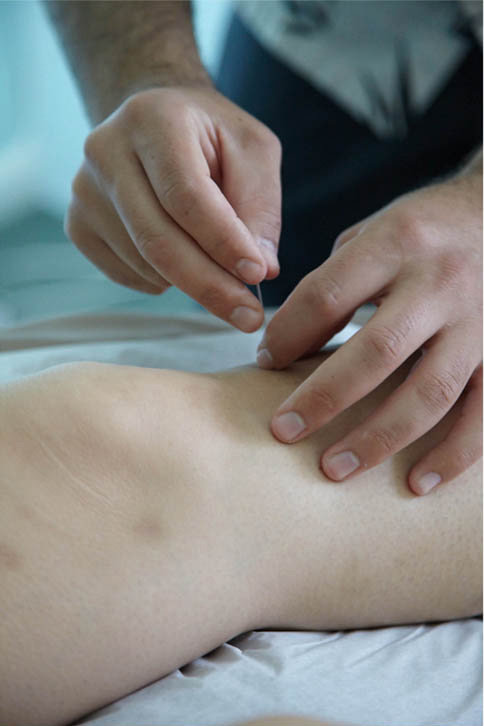
For those with stronger, more persistent eye twitching, acupuncture may be needed. The acupuncture points for eye twitching are on the arms and legs. These points will help to reduce wind, promote the flow of qi, and are on the channels that address eye problems.
The channels of the San Jiao and Gallbladder both go to the eyes. Acupuncture points such as SJ 5 on the arm, GB 34 and GB 39 on the leg can help with the wind. Liver 3 and LI 4 on the hands and feet help to remove the stagnation.
image: withrow
Acupressure For Self Healing is Back at the Open Center
Oct 1, 2012
The introductory class for Acupressure for Self Healing at the New York Open Center is on Monday November 5th 2012 at 6pm.
Interested in learning more about how you can use acupressure to relieve headaches, menstrual cramps, digestive problems, and improve overall health? Then you should come to my class at the New York Open Center in November 2012.
What is acupressure?
- Acupressure is a traditional Chinese healing art in which physical pressure is applied to acupuncture points with the hand (rather than with needles as in acupuncture), so it can be practiced by everyone.
How does acupressure work?
- Acupressure can helps to circulate and balance our qi (energy) to improve our overall health and wellness or help address specific conditions
What will I learn in the class?
- This course will introduce you to the basic concepts and practices of acupressure, including how to

Rolling is a Tui Na Technique
locate points, how to diagnose imbalances in energy flow through the meridians, and how to apply pressure correctly. You’ll also learn some qigong breathing exercises and tui na massage techniques.
- By the end of the course, you’ll be able to use acupressure on ourselves and others to alleviate a range of ailments, including indigestion, PMS and menstrual cramps, headaches and migraines, back and neck pain, as well as to boost overall wellness and energy.
Too Many Painkillers Maybe Causing Your Headache
Sep 21, 2012
Many people with chronic headaches take pain killers almost daily. But a report from the National Institute for Health and Clinical Excellence in the United Kingdom asserts that taking too many pain killers is actually making your headaches worse. The guidelines define overuse of pain medication for more than 15 days out of the month.
Types of chronic headaches include migraine headaches, tension headaches, and cluster headaches among others. What happens is the brain becomes accustom to the medication, which makes it require more and more medication for relief. But taking more of the medication may actually lead to another more intense headache. This can lead to a cycle of headaches and pain relievers causing more headaches.
The guidelines suggest that the best thing to do is stop taking the medications and work to prevent the headaches with treatments such as acupuncture.
Acupuncture and Headaches
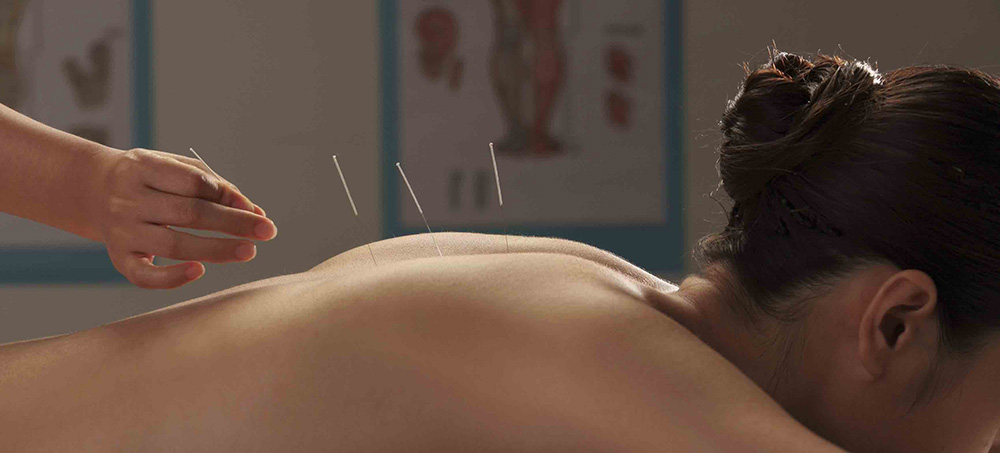
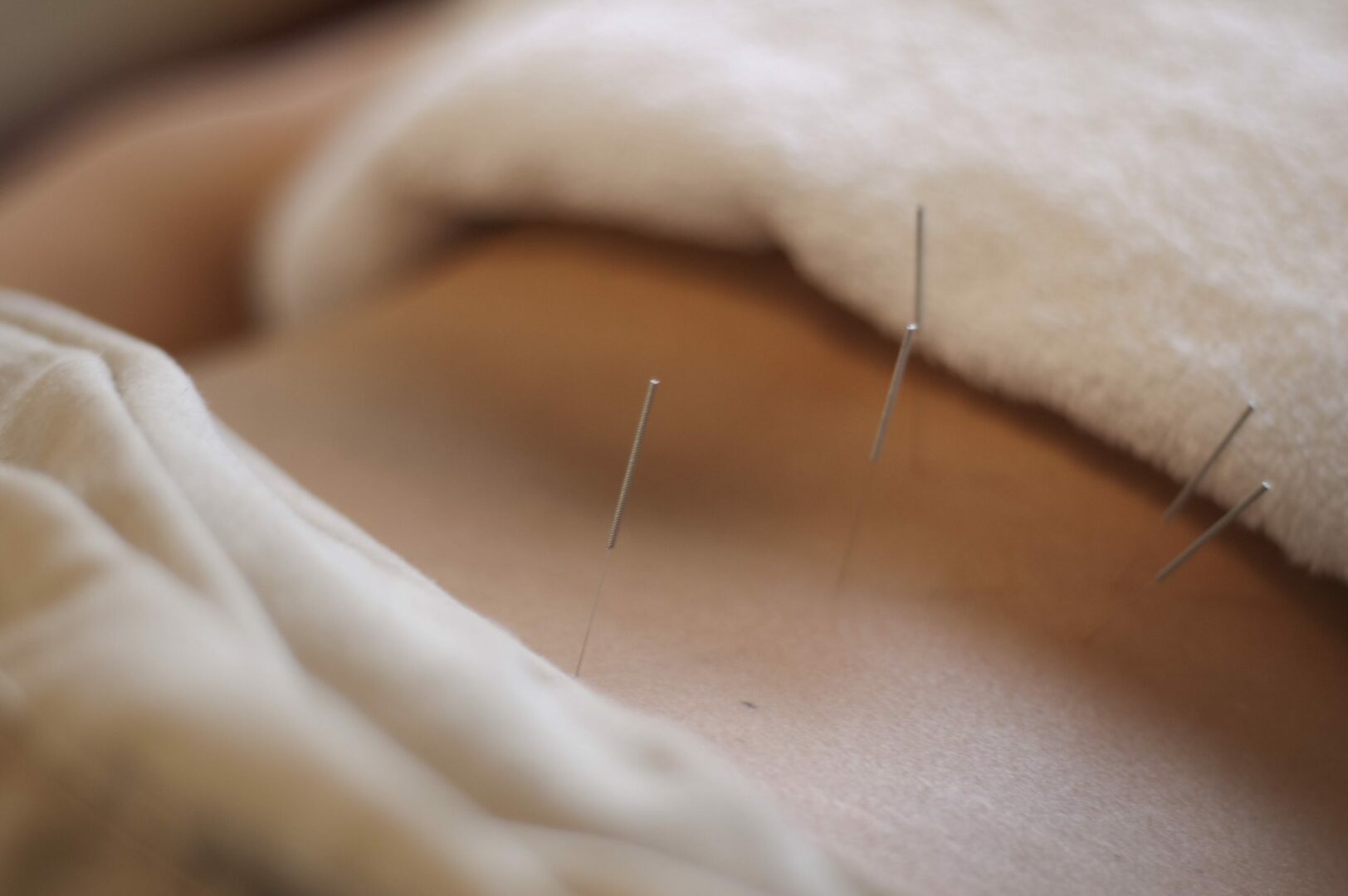
Acupuncture is unlike taking a pill. Rather than simply stopping pain, acupuncture is also a tool to prevent headaches. As an acupuncturist, we say that acupuncture works by correcting imbalances in the body that are causing the headache. Once the imbalance is corrected you can experience long lasting pain relief.
Also, there are physiological reasons that acupuncture has a long term reduction on pain. Acupuncture has been shown to reduce pain by regulating neural pain pathways, stimulating the release of the body’s natural pain relievers, as well as regulating pain relieving receptors. This regulation of the brain and the central nervous system is an important factor in the long lasting impact of acupuncture.
New Research on Acupuncture for Pain
Sep 12, 2012
Acupuncture is famous for the treatment of chronic pain. Chronic pain is one of the most common health concerns I see in my NYC acupuncture clinic. Back pain, headaches, migraines, shoulder pain, knee pain, neuropathy, arthritis, and other chronic pain conditions. Patients can have profound results.
In the clinic we know acupuncture is effective for pain, but often skeptics are vocal opponents because they believe that there is not enough research.
Recently, a very large analysis of research trials, called a meta-analysis, was published focusing on acupuncture for pain. The meta-analysis shows that acupuncture is effective for the treatment of pain. This was across many pain conditions including back and neck pain, osteoarthritis, chronic headaches, and shoulder pain.
Andrew Vickers PhD, the head author, and his team painstakingly reviewed virtually all of the acupuncture research trials which have focused on pain. They had strict criteria for the quality of the studies to be included in their analysis. In the end, the group used 29 acupuncture studies which included 17922 total patients.
The results of the study showed that acupuncture was much better than no-acupuncture control groups across the studies. The acupuncture was also better than placebo acupuncture across the groups. The difference between real and placebo acupuncture was not as large as the difference between acupuncture and no acupuncture. However, the numbers are large enough to show a real difference between placebo and real acupuncture for pain reduction.
Focus on what you can eat
Aug 29, 2012
This morning NPR ran an interesting story discussing weight loss and food choices for women of the Baby Boomer generation.
The take home message is simple, focus on what you can eat. Rather than bemoaning all the desserts and rich foods you cannot indulge in, think about increasing the fruits and vegetables. This will help you to be satisfied so it is easier to cut down on dessert. Not that you can’t have dessert, but a smaller portion and less often is better.
Simple choices and voila, you have yourself a healthy diet. These healthy habits will follow you around, even when going out to eat at a restaurant.
Traditional Chinese Medicine Treatment of Perioral Dermatitis
Jul 27, 2012
Traditional Chinese Medicine has been used to treat skin conditions for thousands of years. While Perioral Dermatitis is a newly recognized disease, only about 35 years old, the Traditional Chinese Medicine treatments for similar skin conditions remain helpful in addressing the condition.
Symptoms of Perioral Dermatitis
Perioral Dermatitis is a skin disorder which causes an erythema (redness of the skin), red bumps (called papules and pustules), and scaling. Perioral Dermatitis can look like acne, although it is not the same condition.
As the name infers, the most common locations of Perioral Dermatitis include around the mouth, on the chin, cheeks, and next to the nose. It can also occur around the eyes or on the eyelids, which is referred to as Periocular Dermatitis. Characteristic of Perioral Dermatitis is the sparing of the vermillion border around the mouth. The condition is generally not itchy.
Perioral Dermatitis most often affects young women, but the condition can occur in children and men. The cause is unknown. It was thought to be triggered by topical steroid creams. However, there are many people who contract the condition without having used topical steroids. Stress can be a significant factor at the onset of the condition. In children, the dermatitis may be associated with foods or other substances irritating the face.
Although Perioral Dermatitis does not pose a serious risk to your health, it can be very stressful and upsetting to an otherwise healthy person.
Perioral Dermatitis in Traditional Chinese Medicine
Chinese medicine takes a holistic approach to the diagnosis and treatment of skin conditions. In Traditional Chinese Medicine, a state of health is reached when the body is in balance. In order to address Perioral Dermatitis, acupuncture and Traditional Chinese Medicine bring the body back to balance.
During the examination, the acupuncturist will consider physical, emotional, and environmental factors, as well as the appearance of the skin. For example, the degree of redness, presence of papules and pustules, or scales will factor into the determinations of the imbalance. This is combined with information from taking the pulse, observing the tongue and the skin, and asking in-depth questions.
The predominant imbalances causing Perioral Dermatitis are stagnation and heat. If caused by stagnation or lack of circulation, symptoms most often include redness, thin scaling, and only a few pustules. The more redness and pustules, the more heat is present. If the erythema is persistent or becomes worse when you are hot or in the sun, the heat is more intense and deeper in the body. Digestive health can also be a factor.
Acupuncture and Traditional Chinese Medicine Therapy for Perioral Dermatitis
The goal of acupuncture and Traditional Chinese Medicine is to correct the imbalance underlying your condition. Once the imbalance is removed, the body is able to heal itself.
Acupuncture and Traditional Chinese herbal therapy are tailored to your specific symptoms and imbalance. Both the herbal ingredients and the acupuncture points will vary, depending on the condition. Chinese herbs are generally given in combinations of 8-12 herbs. The herbs are thought to work by synergistically regulating the inflammatory process underlying the condition.
It is important to consult an acupuncturist or Chinese Medicine practitioner before taking herbs. When treating Perioral Dermatitis from stagnation, the herbs may include those which help circulate the qi such as chai hu. If there is more erythema, herbs such as sheng di huang will help remove the heat. If there are many pustules, herbs that reduce inflammation, such as ye ju hua, are used.